2026 Best 5kW Diesel Generator for Home and Business?
Choosing the best 5kW Diesel Generator for home or business use in 2026 requires more than comparing prices. Real performance appears during power failures, cold mornings, heavy loads, and long operating hours. A dependable unit should start quickly, maintain stable voltage, and support essential equipment without excessive fuel consumption. Noise, ventilation, transfer-switch compatibility, and service access also deserve close attention.
Generator specialist Paul Breeze states, “Reliability is the key requirement for standby generation.” That principle remains practical. A 5kW Diesel Generator may power refrigerators, lights, pumps, computers, and selected tools, but it cannot safely run every appliance at once. Load calculations matter. So does starting current. A small water pump can demand far more power for a few seconds.
This guide compares five leading 5kw Diesel Generator options for residential and commercial applications. It considers rated output, fuel efficiency, engine durability, control panels, noise levels, warranty support, and maintenance requirements. Specific details matter: an oil-drain valve that is easy to reach, a battery that survives winter storage, and a frame that does not vibrate across a concrete floor.
No generator is perfect. Some models are quiet but expensive. Others offer strong endurance but require more frequent maintenance. That trade-off is easy to overlook. We will also examine installation limits, realistic operating loads, and common buying mistakes, helping readers choose a generator that fits their site rather than simply chasing the highest specification.
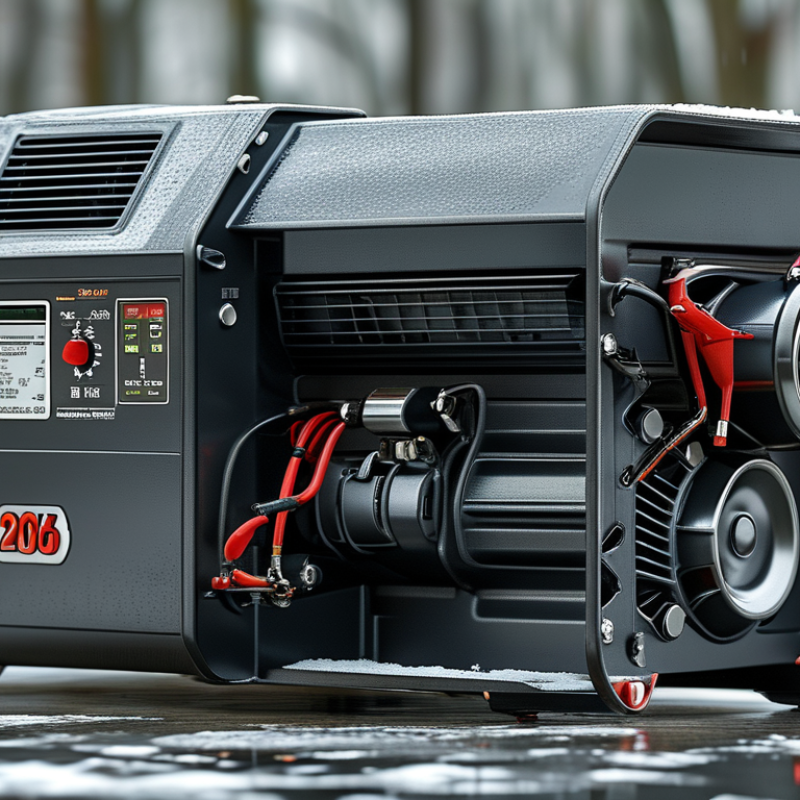
What Is a 5kW Diesel Generator and Who Needs One?
A 5kW diesel generator produces up to 5,000 watts of electrical power. It can support essential home circuits, small workshops, retail spaces, and remote job sites. Typical loads include a refrigerator, lights, internet equipment, a water pump, and selected heating controls. Large air conditioners or electric water heaters may exceed its practical capacity.
The U.S. Energy Information Administration reported average American household electricity use of about 899 kWh per month in 2022. However, a generator does not replace normal utility service. It supplies limited power during outages. Diesel engines usually offer strong fuel efficiency and long operating life, especially under steady loads. The International Energy Agency’s Electricity 2024 report also projects global electricity demand growth through 2026, increasing interest in dependable backup systems.
Who needs one? Homeowners in outage-prone areas, small businesses protecting refrigeration or payment systems, and contractors using power away from the grid are suitable users. A transfer switch and professional installation improve safety. Load calculations matter more than the advertised wattage. Motor starting surges can briefly demand much more power. I have seen users overlook this detail, then discover that a pump will not start beside a running refrigerator. A 5kW unit is capable, but not unlimited. Fuel storage, ventilation, noise, maintenance, and local electrical requirements still need careful review.
2026 Best 5kW Diesel Generator for Home and Business?
A 5kW diesel generator provides up to 5,000 watts of rated electrical output, making it suitable for essential home backup, small offices, retail spaces, workshops, and light commercial equipment. The chart shows representative running-power requirements for common loads; actual consumption varies by model and operating conditions.
Planning note: Keep the combined running load below 5,000 watts and allow additional capacity for motor-starting surges from pumps, refrigerators, compressors, and power tools. A 5kW generator is generally best for users who need reliable backup for essential appliances and moderate business equipment rather than an entire large facility.
Key Features to Evaluate in a 2026 5kW Diesel Generator
A 5kW diesel generator should match your real load, not an optimistic estimate. List essential appliances, starting currents, and possible future equipment before choosing a unit. Refrigerators, pumps, and power tools can demand more during startup. Measure twice.
Engine quality affects starting reliability, fuel use, and service intervals. Look for stable voltage regulation, dependable cold-start performance, and clear maintenance access. A strong steel frame, protected control panel, and weather-resistant housing suit outdoor business use. Noise matters. Check the stated sound level at a defined distance, because vague ratings can mislead buyers. A practical fuel tank should support several hours of operation without becoming unnecessarily heavy. Runtime figures also depend on load, temperature, and fuel condition.
For home backup, confirm whether the generator supports safe connection through a qualified transfer system. Never rely on improvised wiring. Useful controls include overload protection, low-oil shutdown, emergency stopping, and readable operating indicators. For business sites, inspect outlet types, grounding arrangements, mobility, and spare-part availability. A warranty is helpful, but local technical support may matter more during a weekend failure. I would also test the unit under a realistic load before trusting it overnight. That step is often skipped. Diesel maintenance is not difficult, yet neglected filters or old fuel can undermine an otherwise capable generator. Leave room for inspection, ventilation, and exhaust management around the installation.
Top 5kW Diesel Generator Options for Home and Business Use
For home and business use, the best 5kW diesel generator depends on load type, noise tolerance, and running hours.
A standard open-frame model suits workshops, farms, and construction areas. It usually offers strong cooling and simpler maintenance. However, its exhaust note can disturb nearby rooms. A sound-attenuated enclosure is better for homes, clinics, and small offices. Look for insulated panels, vibration mounts, and a clear fuel gauge.
Check rated output, not only maximum output.
A refrigerator, water pump, or compressor may need two or three times its running power during startup. A 5kW unit with a 4.5kW continuous rating could become overloaded quickly. I would keep at least 20 percent spare capacity. That margin protects the engine and reduces voltage dips. An automatic transfer switch adds convenience during outages, but installation should follow local electrical requirements.
For frequent business use, choose a model with a liquid-cooled engine, a large fuel tank, and accessible filters.
For occasional home backup, an air-cooled unit may cost less and remain easier to service. Confirm the operating noise level from a stated distance. Numbers can be misleading. Also inspect the control panel, emergency stop, circuit protection, and low-oil shutdown. My first assumption was that a larger tank always helped, but stale diesel can create maintenance problems. Fresh fuel and scheduled filter changes matter more than impressive specifications.
How to Match Generator Capacity With Your Power Requirements
2026 Best 5kW Diesel Generator for Home and Business?
A 5kW diesel generator can support essential home circuits or a small business, but only after careful load matching. The U.S. Energy Information Administration reported that the average American household used about 10,791 kWh of electricity in 2022. That figure describes annual energy use, not simultaneous demand. A generator must handle the loads running at the same moment.
List every appliance and its running watts. Add starting watts for motors, compressors, pumps, and tools. A refrigerator may run below 500 watts but briefly require twice that amount during startup.
A well pump, freezer, lights, router, and office computer can quickly approach 4kW. Leave at least 20% spare capacity for unstable loads and future needs. Five kilowatts is not unlimited.
Tips:
Use a clamp meter to measure real household demand during a busy evening. Check the generator’s continuous rating, not only its peak rating. For business use, separate critical circuits from optional equipment. The U.S. Department of Energy recommends prioritizing essential loads during backup operation. In practice, people often forget printers, battery chargers, and water heaters. That mistake can overload a carefully chosen unit. A written load schedule feels excessive, but it prevents guesswork when the lights go out.

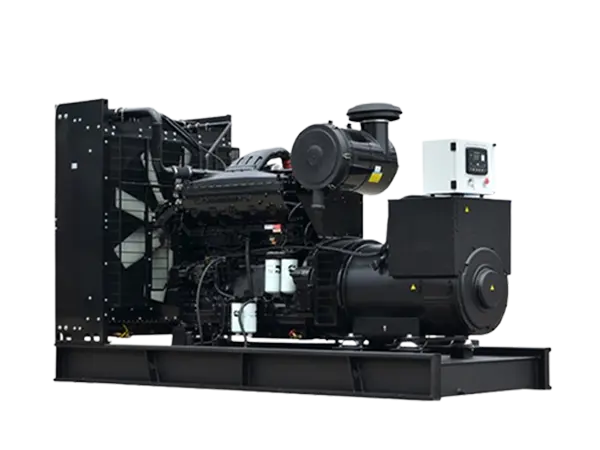 Diesel Generator Sets with Cummins Engines, XHZC Series
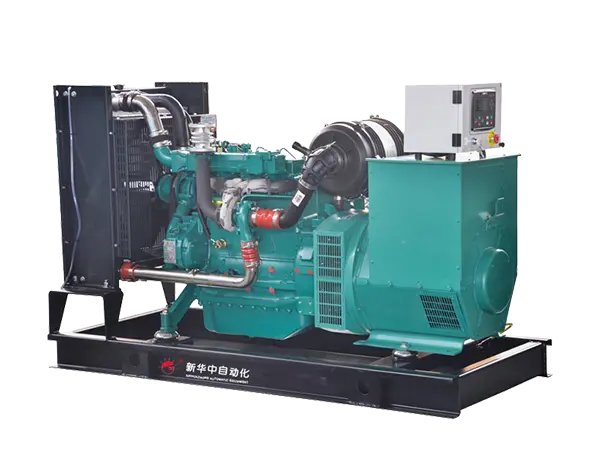 Weichai Series
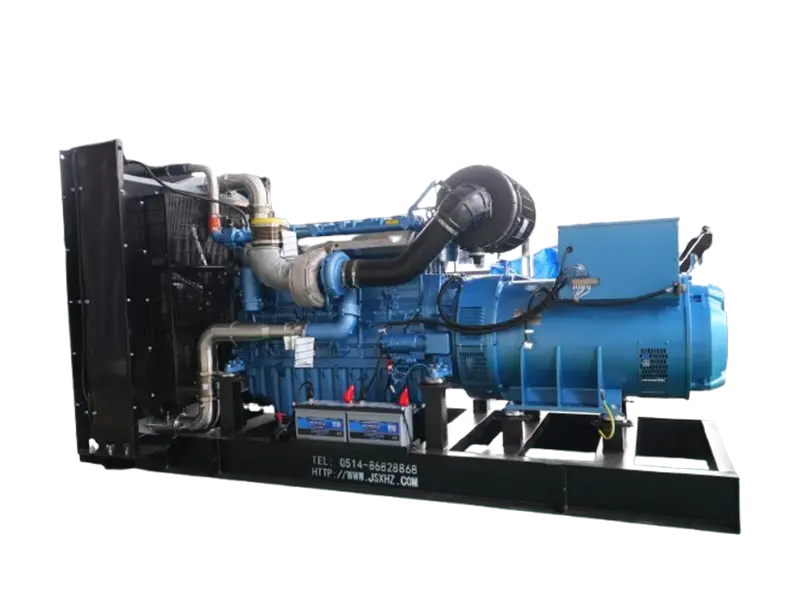 Diesel Generator Sets with WEICHAI Engines, XHZW Series
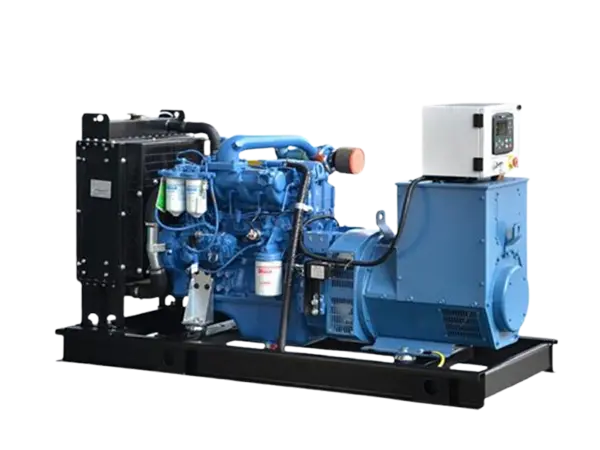 Yuchai Series
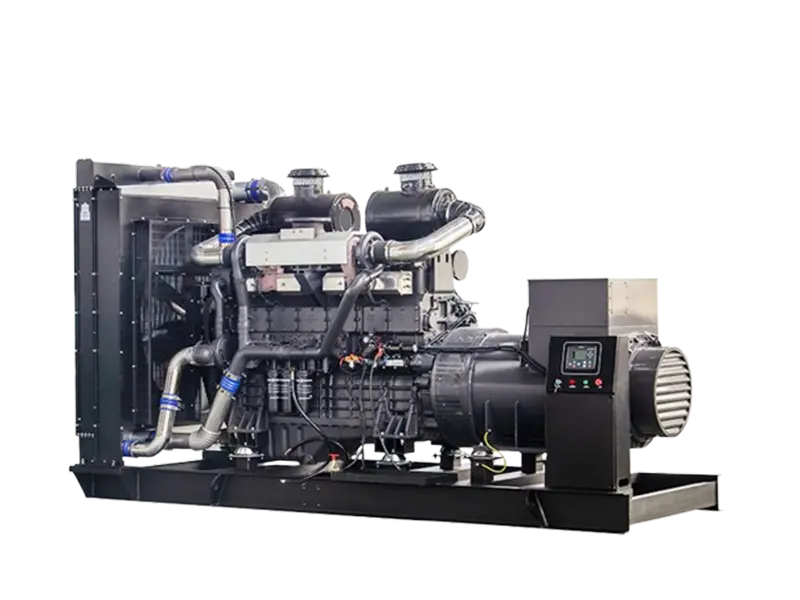 Diesel Generator Sets with SDEC(SHANGCHAI) Engines, XHZS Series
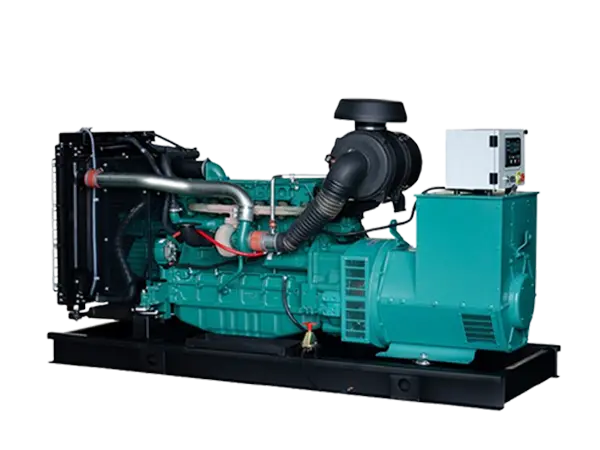 Volvo Series
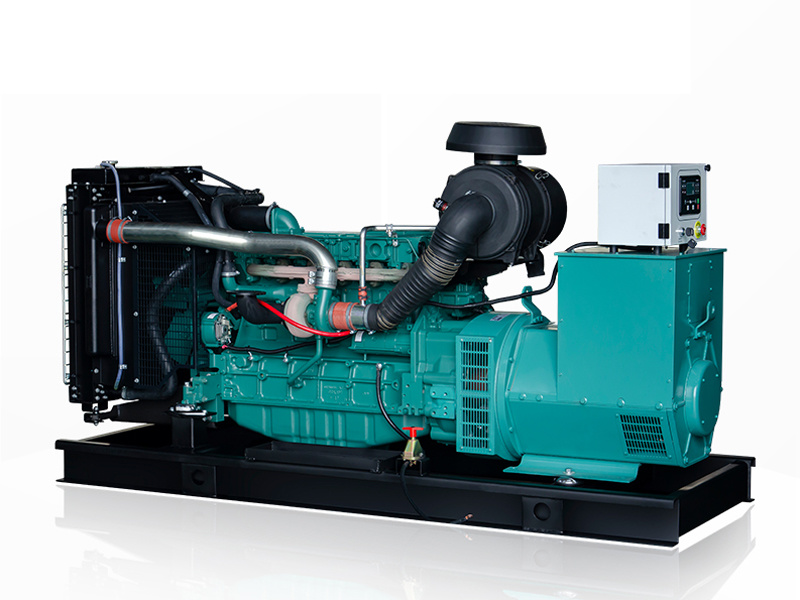 Diesel Generator Sets with VOLVO Engines, XHZV Series
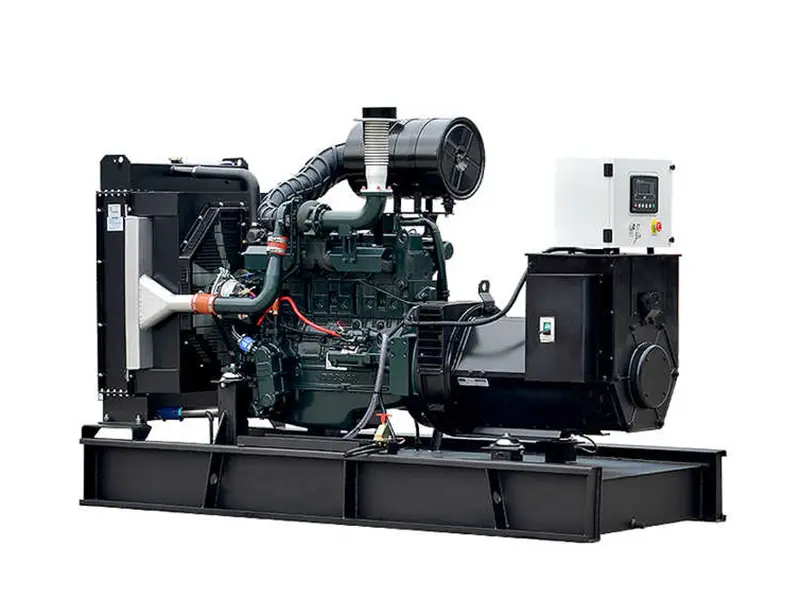 Diesel Generator Sets with Doosan Engines
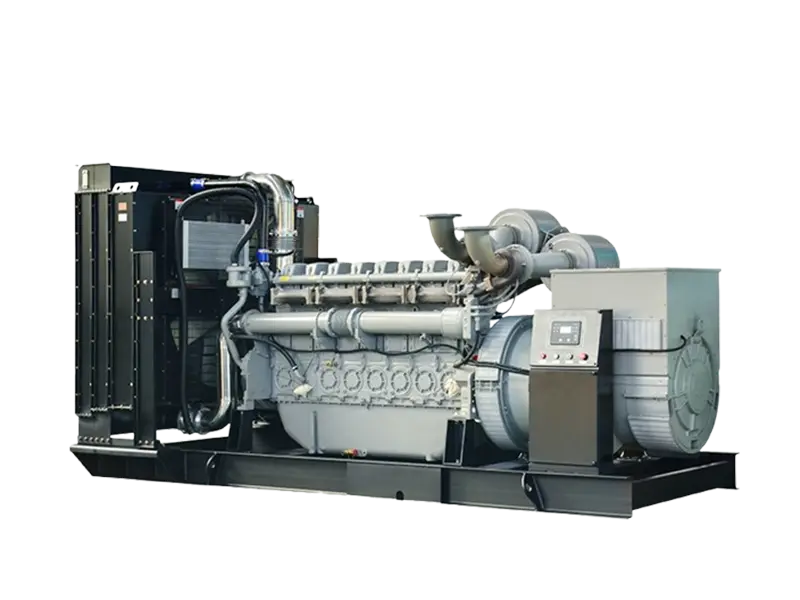 Diesel Generator Sets with Perkins Engines, XHZP Series
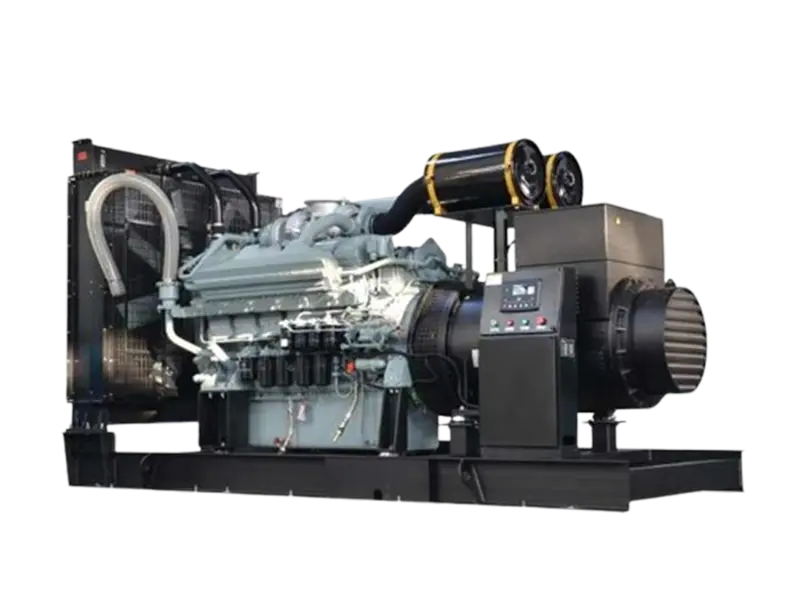 Diesel Generator Sets with Mitsubishi Engines
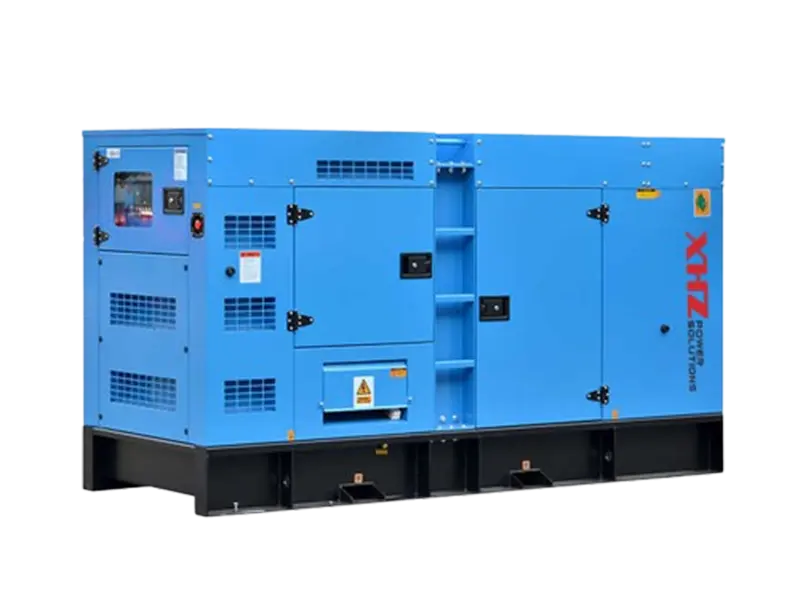 Silent Diesel Generators
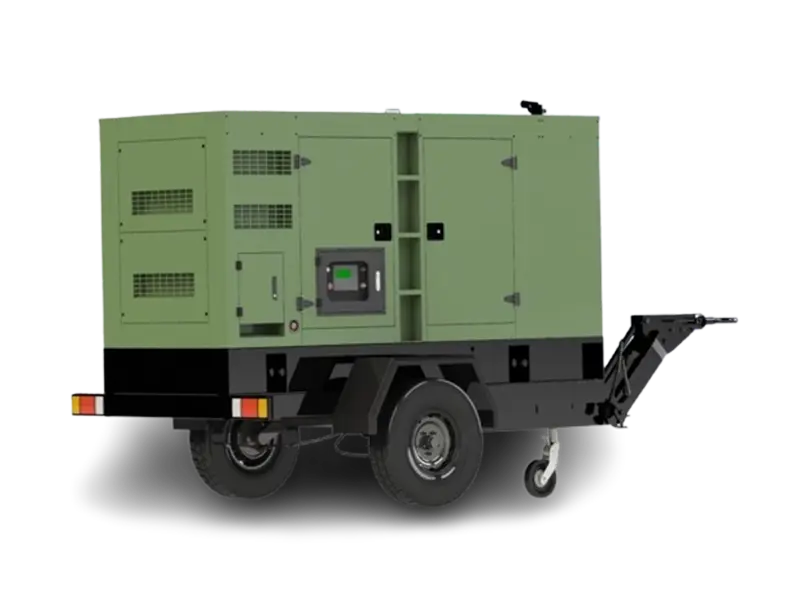 Mobile Silent Diesel Generators
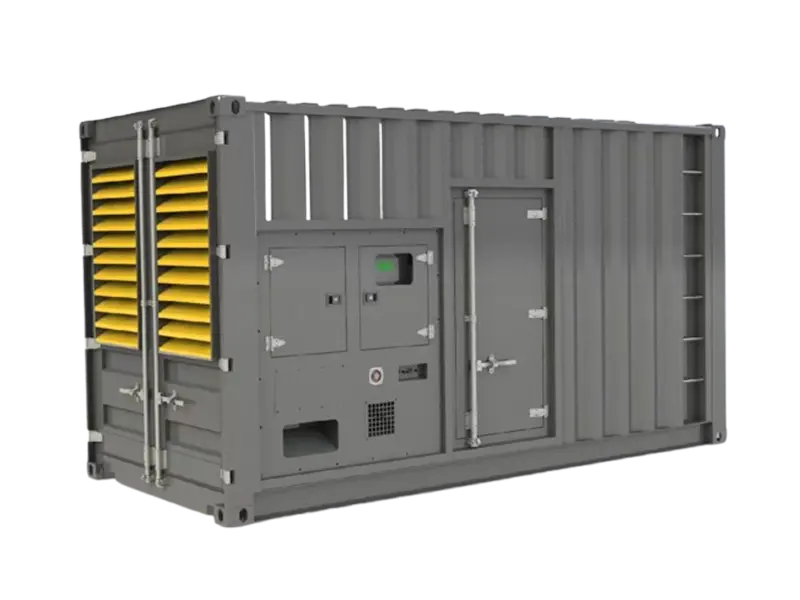 20/40HQ-Standard Container Type Generators