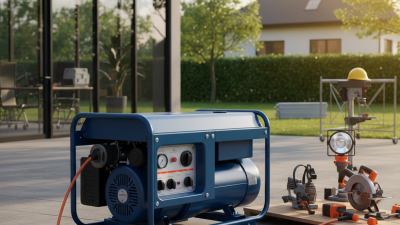
How to Choose the Best Emergency Diesel Generator for Your Needs?
Choosing the right Emergency Diesel Generator is crucial for ensuring uninterrupted power during crises. Many people overlook essential factors and end up with inadequate solutions. There are numerous options on the market, but not all generators fit every need.
Understanding your power requirements is vital. Consider the wattage your appliances use. Additionally, think about where you’ll place the generator. Noise levels can also be a concern in residential areas.
Researching brands and models can be overwhelming. However, reliable sources often provide valuable insights into performance and durability. Investing time in this research can save you headaches in the future. An Emergency Diesel Generator should not only meet power demands but also offer peace of mind during emergencies.
Understanding Your Power Requirements for an Emergency Diesel Generator
When selecting an emergency diesel generator, understanding your power requirements is crucial. Begin by calculating the total wattage of all devices you intend to run during an outage. The average home requires 5,000 to 7,500 watts to power essential appliances. Research indicates that properly sizing your generator can enhance efficiency and longevity. If your generator is too small, it may not start some appliances. Conversely, an oversized generator can consume more fuel than necessary.
Consider the starting watts versus running watts of devices. Many appliances, like refrigerators, require up to three times their running wattage at startup. This peak demand must be factored into your calculations. According to the Electrical Generating Systems Association (EGSA), a 20% buffer above your calculated needs is advisable. This prevents overloading your generator and ensures stable power delivery.
Tip: Regularly audit your power needs. This keeps your generator's specifications aligned with your current life situation. As life changes, so will your electricity requirements. Keeping a record of your usage can help you make informed decisions.
Consider noise levels as well. Generator sound levels vary widely. Some are made for quiet environments but may sacrifice power output. Striking a balance between noise reduction and sufficient capacity is essential. Assess where you plan to use the generator. This can influence your choice. A clear understanding will help you choose wisely.
How to Choose the Best Emergency Diesel Generator for Your Needs? - Understanding Your Power Requirements for an Emergency Diesel Generator
| Power Output (kW) |
Fuel Tank Capacity (liters) |
Run Time (hours) |
Noise Level (dB) |
Weight (kg) |
| 5 |
15 |
12 |
60 |
50 |
| 10 |
25 |
10 |
70 |
100 |
| 15 |
40 |
8 |
75 |
150 |
| 20 |
60 |
6 |
80 |
180 |
| 30 |
80 |
5 |
85 |
250 |
Evaluating Generator Size and Capacity for Your Specific Needs
When evaluating the size and capacity of emergency diesel generators, understanding your specific needs is crucial. According to a report from the International Energy Agency, emergency power systems should supply at least 80% of the load demand during outages. This percentage allows for reliable operation without overloading the generator.
Consider your power requirements. Calculate the total wattage of the equipment you intend to run. Lighting, HVAC, and medical devices often need substantial power. As a rule of thumb, add an extra 20% to this total for safety. This buffer can help accommodate additional equipment that may be needed unexpectedly.
Tips: Always assess both starting and running wattage. Some devices require more power to start up than to operate continuously. For example, a refrigerator may need 2,000 watts to start but only 600 watts to run. Additionally, think about the generator’s fuel efficiency. Diesel generators typically run longer and more efficiently than their gasoline counterparts, making them ideal for prolonged power outages.
Ultimately, investing time in evaluating your specific needs will guide you toward the optimal generator size and capacity. Even small oversights in calculations can lead to costly mistakes. Ensure that your chosen generator aligns closely with your requirements for reliability and performance during emergencies.
Assessing Fuel Efficiency and Run Time of Diesel Generators
When selecting a diesel generator, fuel efficiency and run time are crucial factors. The fuel consumption of diesel generators often ranges from 0.5 to 0.75 gallons per hour for every 10 kW of power output. Understanding this can help you evaluate operating costs over time. Efficiency ratings provide a clearer picture, as some models can reach up to 30% higher efficiency based on usage patterns and load management.
Consider the run time before making a decision. Many diesel generators offer a continuous run time of 8 to 12 hours on a single tank. For example, a generator with a 12-gallon tank could potentially provide 10 hours of operation at a 50% load, which is suitable for most emergency situations. However, real-life scenarios may reveal varying results. Factors such as load fluctuations and environmental conditions can significantly impact performance.
The power-to-fuel ratio is an essential metric. It is advisable to look for generators that provide at least 8 kW per gallon of fuel consumed. This indication can guide you toward options that minimize fuel costs while maximizing electric output. Reflecting on these details can ensure you choose a generator that truly fits your needs without falling into the trap of overly optimistic specifications.
Key Features to Consider in Emergency Diesel Generators
Choosing the right emergency diesel generator can be a daunting task. Start by assessing your power needs. Calculate the total wattage your essential appliances require. This includes lights, refrigerators, and medical equipment. A generator’s capacity should exceed this total to ensure reliability during outages.
Next, consider the generator’s fuel efficiency. Diesel generators generally offer better fuel economy. However, efficiency also depends on the load you run. A generator running under optimal load performs best, saving fuel and costs. Noise levels are another important factor. Some units operate quietly, while others can be quite loud. Make sure to check local regulations regarding noise.
Portability may also be a concern. If you need to relocate your generator, consider its weight and size. Some models come with wheels, making transport easier. Maintenance is key too. Look for generators that are easy to service. Regular maintenance ensures longevity. A generator that is difficult to service can lead to frustration. Taking the time to research and evaluate these features can help in making the right choice for your emergency needs.
Emergency Diesel Generators: Key Features Comparison
Comparing Brands and Models for Reliability and Support Options
When choosing an emergency diesel generator, reliability and support options are crucial factors. A study by the National Electrical Manufacturers Association indicates that over 30% of generator failures occur due to poor maintenance and lack of proper support. To avoid downtime, selecting a brand known for robust customer service is vital. Researching user reviews can highlight which manufacturers provide timely support and effective solutions.
Model comparisons are essential as well. Some generators offer superior fuel efficiency, lasting longer during outages. Industry reports reveal that models with advanced technology consume up to 20% less fuel than standard options. While this can save money, it’s also important to consider their repair costs. Higher-tech generators may have more complex systems that can be difficult to repair.
In addition, some users express frustrations over parts availability. Many brands may not stock necessary components, leading to extended downtime. Potential buyers should investigate which brands have established supply chains and readily available parts. Taking the time to gather this information can significantly impact the performance and reliability of your emergency generator during crucial situations.

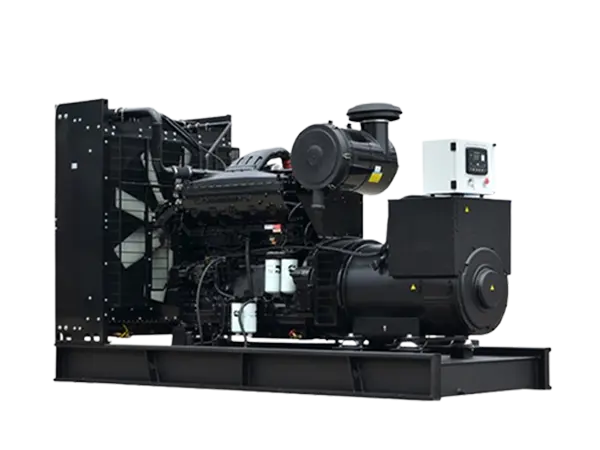 Diesel Generator Sets with Cummins Engines, XHZC Series
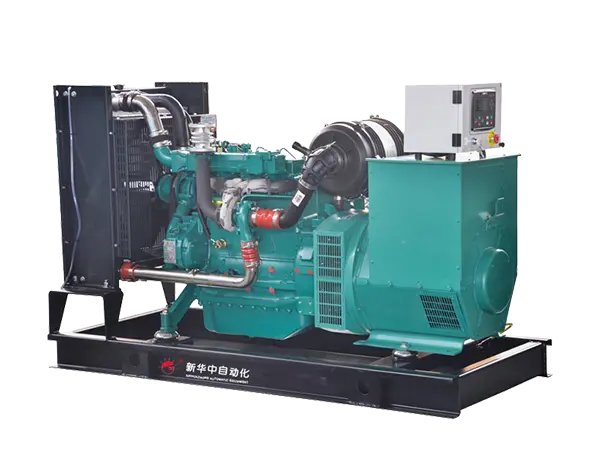 Weichai Series
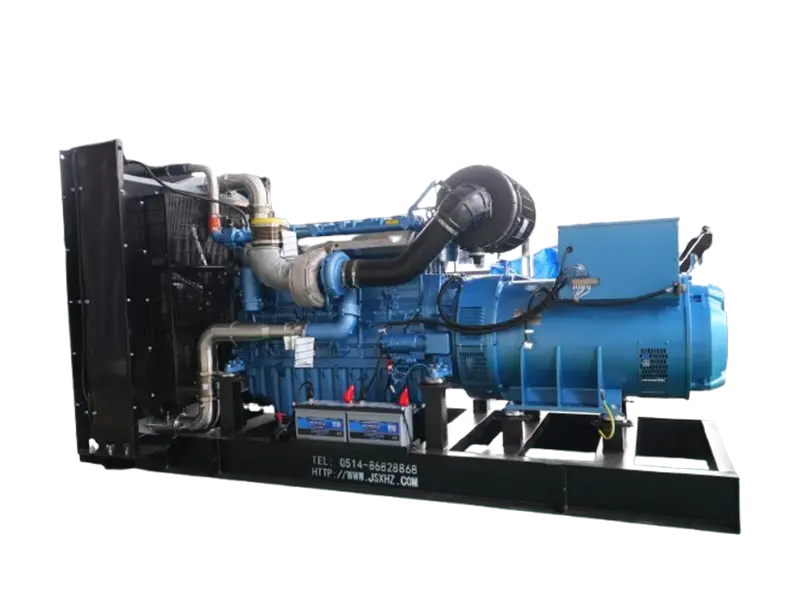 Diesel Generator Sets with WEICHAI Engines, XHZW Series
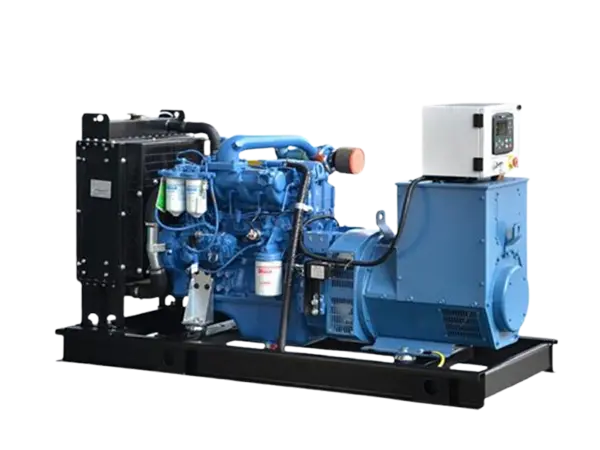 Yuchai Series
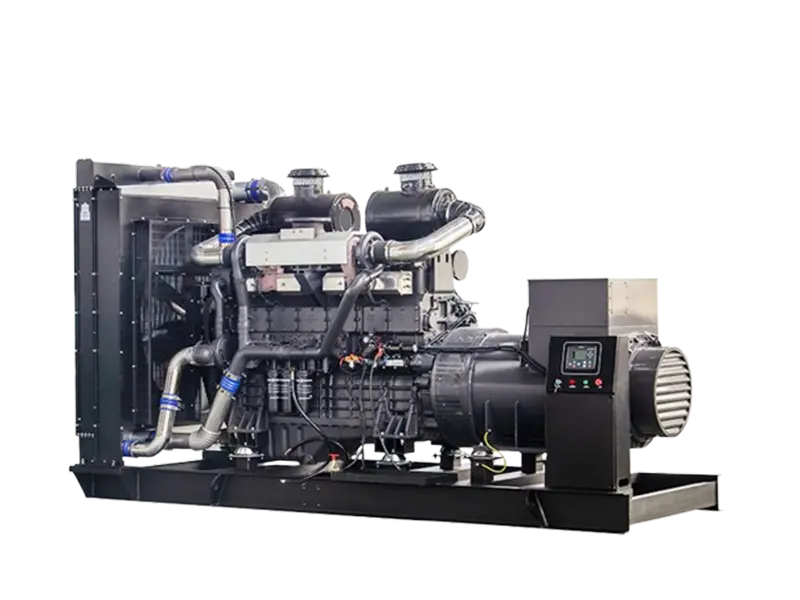 Diesel Generator Sets with SDEC(SHANGCHAI) Engines, XHZS Series
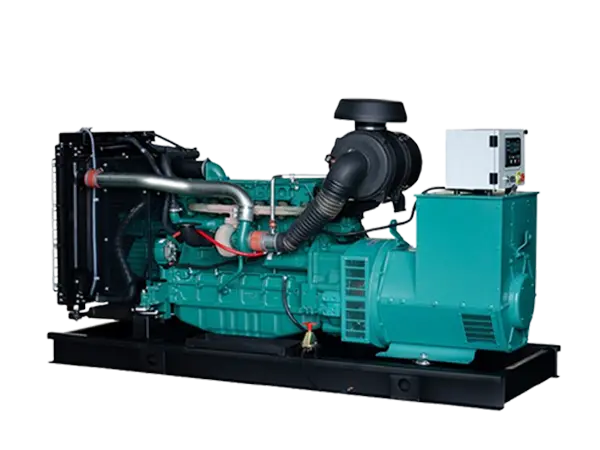 Volvo Series
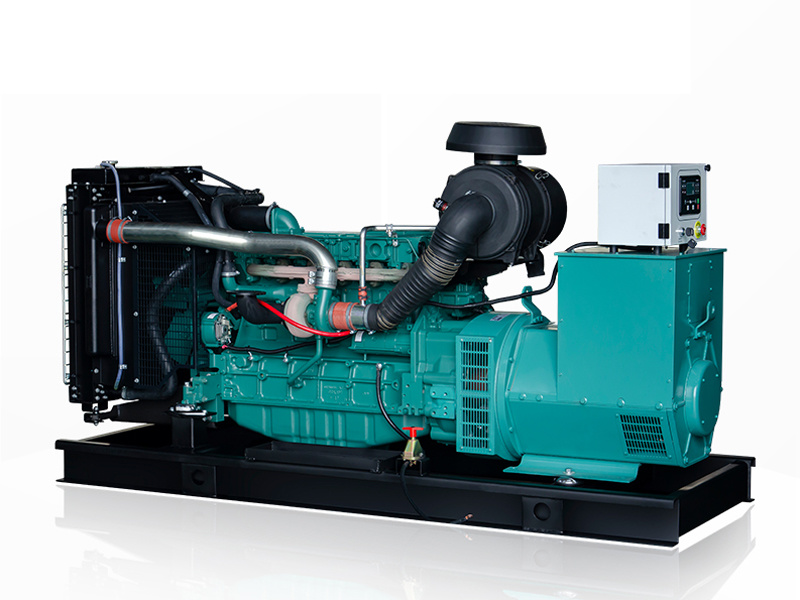 Diesel Generator Sets with VOLVO Engines, XHZV Series
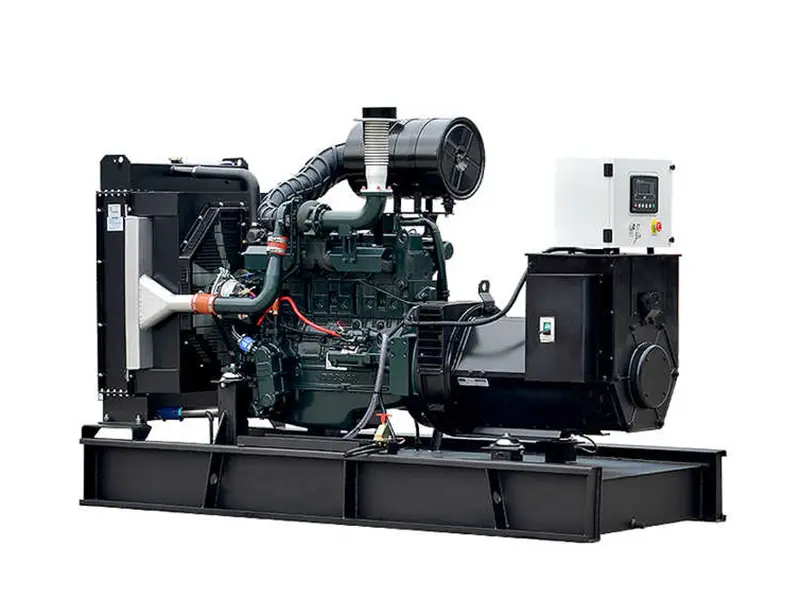 Diesel Generator Sets with Doosan Engines
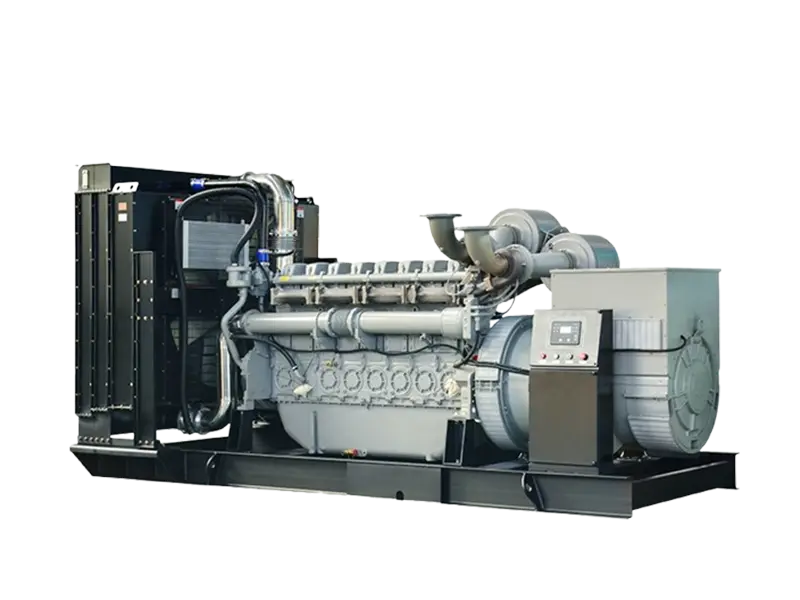 Diesel Generator Sets with Perkins Engines, XHZP Series
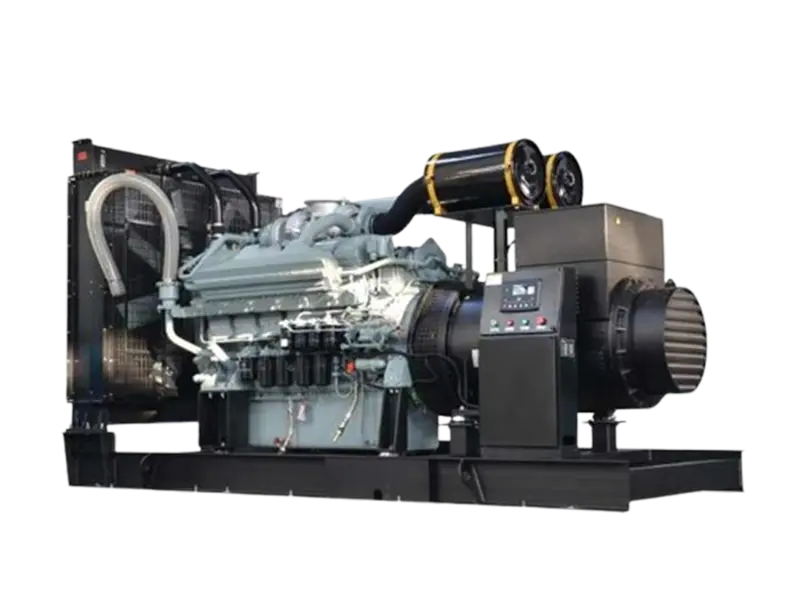 Diesel Generator Sets with Mitsubishi Engines
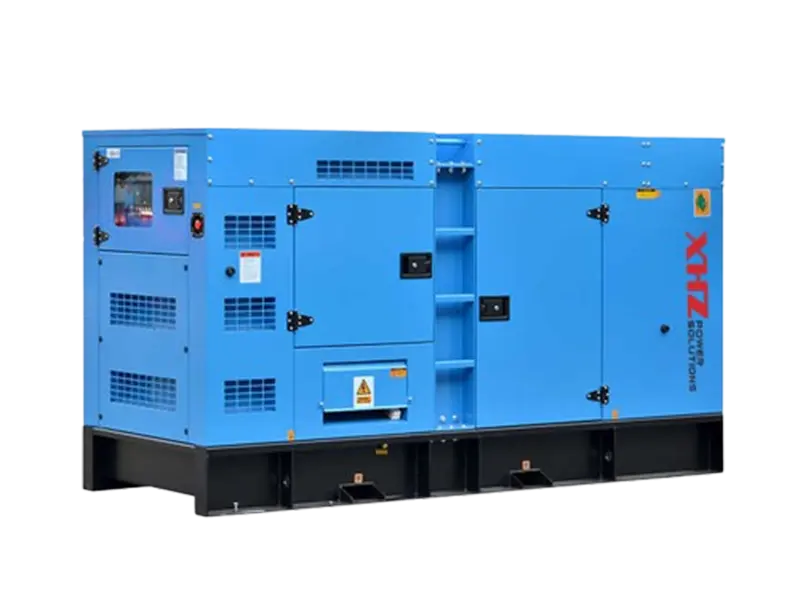 Silent Diesel Generators
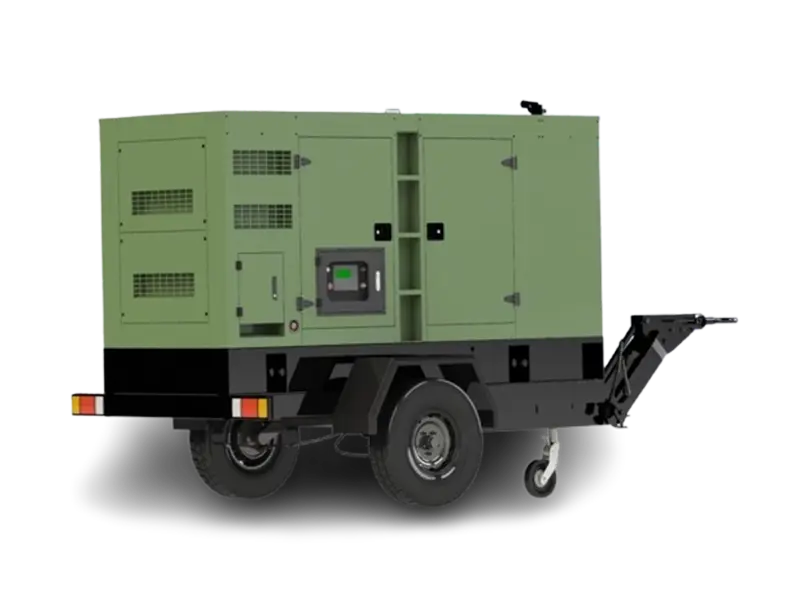 Mobile Silent Diesel Generators
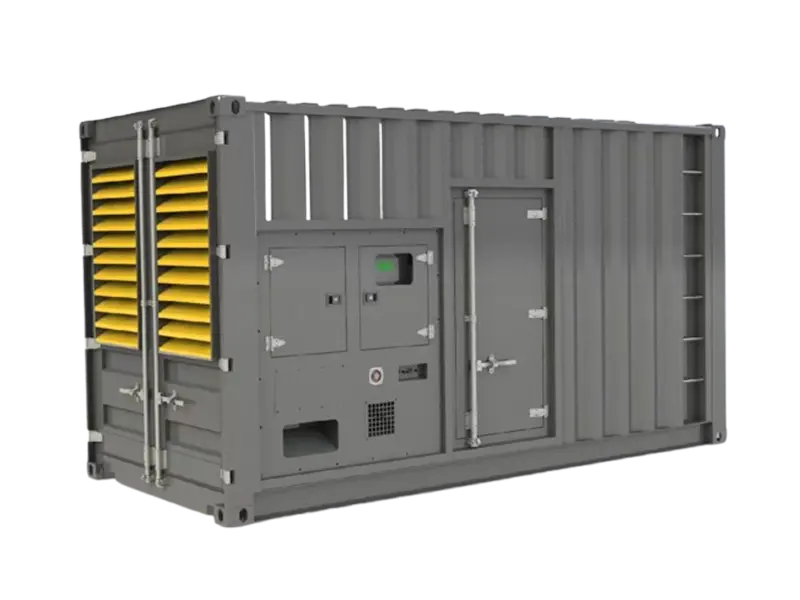 20/40HQ-Standard Container Type Generators