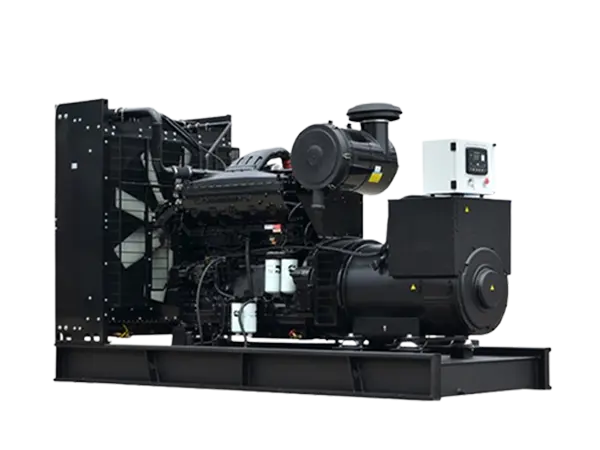
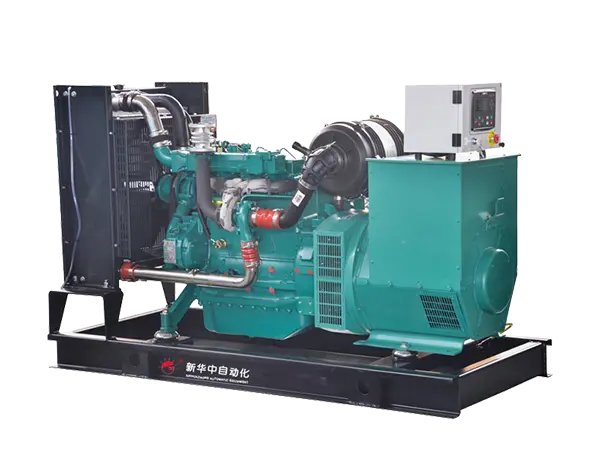
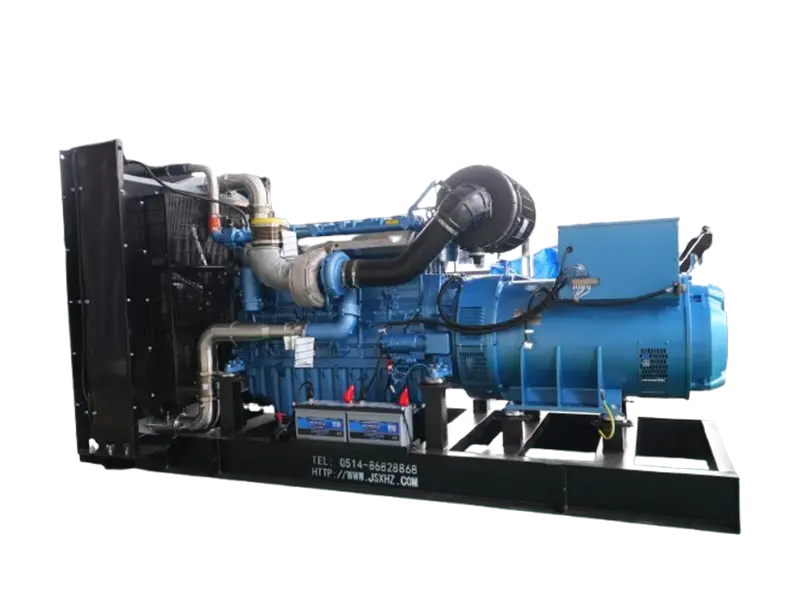
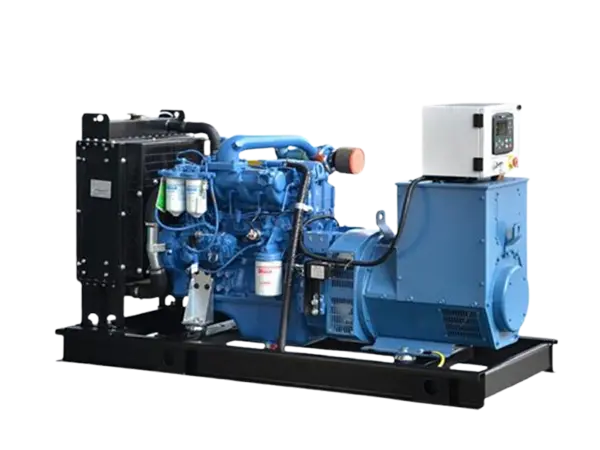
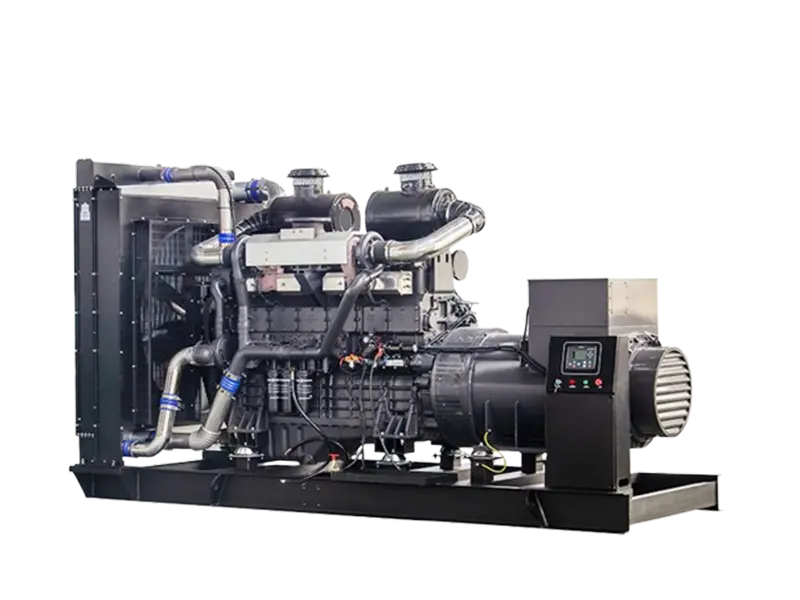
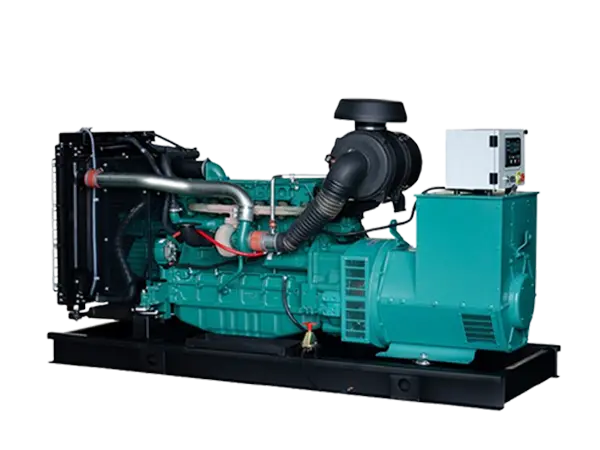
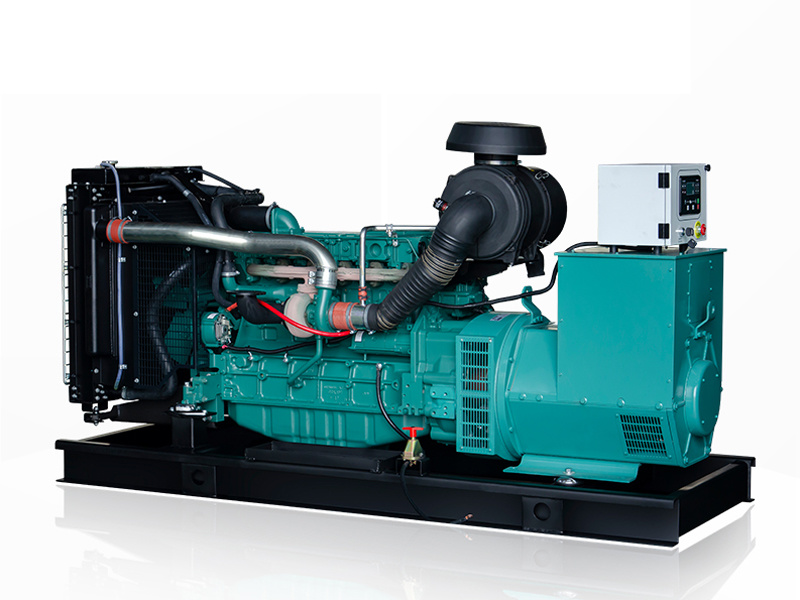
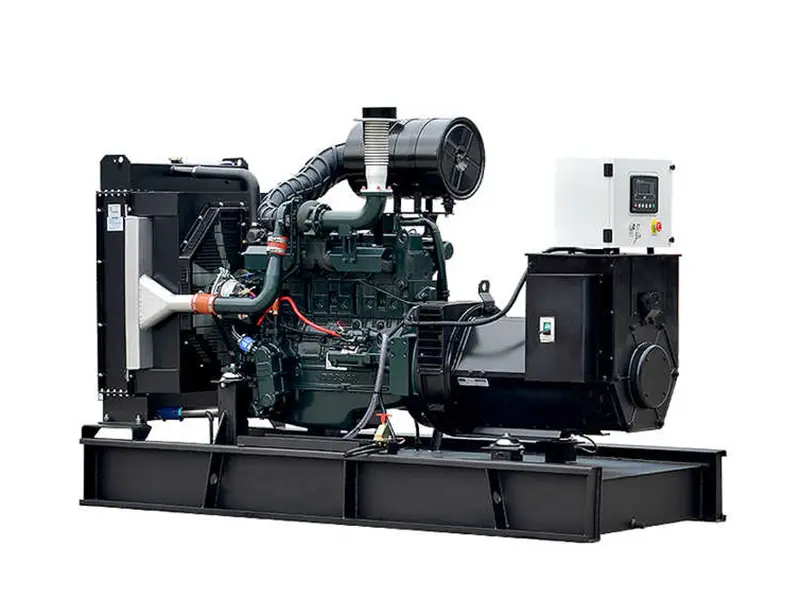
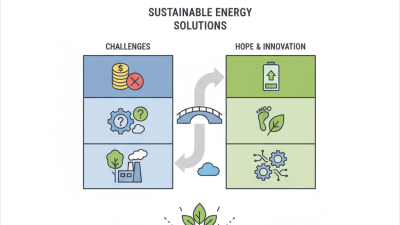
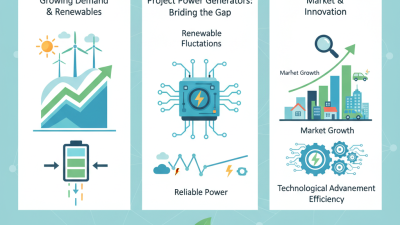
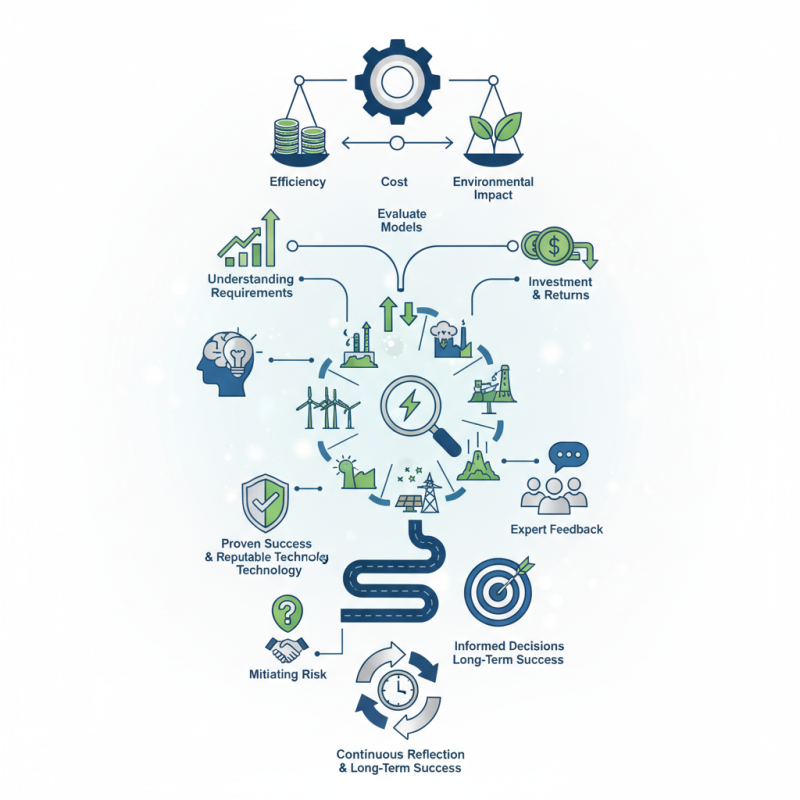
Choosing the right Power Generator Project is crucial for future energy needs. As we approach 2026, the demand for reliable energy solutions continues to grow. The selection process requires careful consideration of various factors, including efficiency, cost, and environmental impact.
Understanding your specific energy requirements is key. A project must align with both current demands and future trends in technology. You might face challenges in balancing investment costs and expected returns. Evaluate various models and technologies available in the market. Look for projects with proven success and reputable technologies.
In this evolving landscape, feedback from experts is invaluable. Their insights help you navigate complexities and potential pitfalls. Engaging with knowledgeable professionals can guide you to make informed decisions. Keep in mind, no project is without risk. Continuous reflection on your chosen direction is essential for long-term success in the Power Generator Project.
When planning a power generator project for 2026, understanding your energy needs is crucial. Start by evaluating your current energy consumption patterns. Are you powering homes, businesses, or outdoor events? Each scenario demands different loads. Calculate your peak usage. This helps identify the right generator size. A generator that is too small will struggle to keep up. One that is too large can waste fuel and cost more upfront.
Next, consider the types of appliances or equipment you'll need to run. Heavy-duty machinery requires more power than standard home appliances. It’s also essential to think about future energy needs. Will your demand increase in the coming years? Build in some flexibility to accommodate growth or seasonal changes.
Don't forget about reliability and installation challenges. Site conditions can impact generator performance. How accessible is your project area? Will you need additional infrastructure? These questions matter. They can influence the type and size of the generator you ultimately choose. Reflect on these factors thoroughly. What works for one project may not work for another. Therefore, careful planning is vital for a successful outcome.
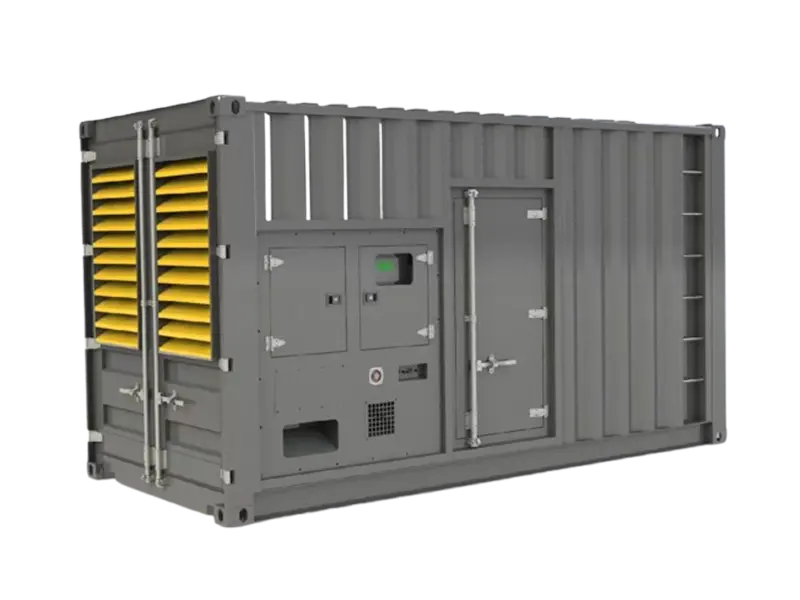
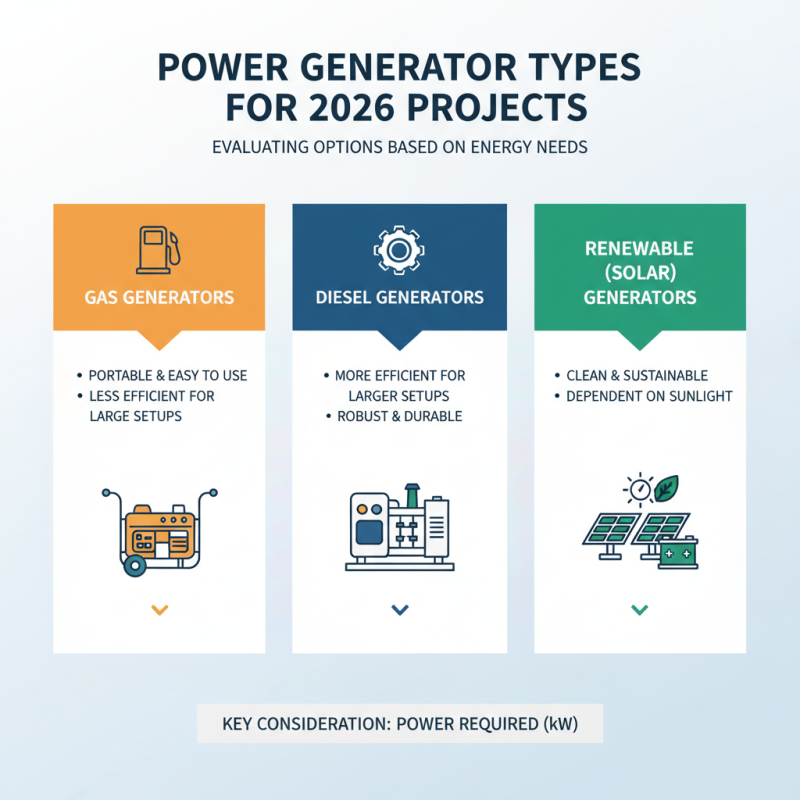
When evaluating different types of power generators for your 2026 project, consider the energy needs. Start by identifying how much power you require. This will guide you toward the appropriate type. Focus on gas, diesel, or renewable energy options like solar generators. Each has its advantages and limitations. Gas generators are often portable and easy to use. However, they might not be as efficient as diesel in larger setups.
Next, think about the fuel availability. In some regions, diesel is widely accessible, making it a reliable choice. Yet, the environmental impact of each type cannot be ignored. Renewable generators, while initially costly, provide clean energy. Do your research on local regulations and incentives. There might be tax benefits for using eco-friendly generators.
Be prepared for some trade-offs. For instance, renewable options may require more maintenance and initial investment. They also depend heavily on weather conditions. A diesel generator offers great reliability but contributes to carbon emissions. Reflect on these factors. Weigh immediate benefits against long-term sustainability. Your choice should balance efficiency, cost, and environmental impact to ensure you make an informed decision.
Selecting the right power generator for 2026 demands thorough consideration of budget and cost-effectiveness. A recent industry report suggests that generator costs range from $500 to over $5,000, depending on capacity and features. This vast range can significantly impact an organization’s budget. Understanding the total cost of ownership, including fuel efficiency and maintenance, is crucial.
Budget planning must encompass both upfront costs and ongoing expenses. For instance, diesel generators often have lower initial costs but require more maintenance and fuel. In contrast, alternative energy solutions, like solar generators, face higher upfront costs but provide long-term savings. Statistics indicate that solar installations could save users approximately 80% on fuel costs over a decade.
**Tips:** Always assess the projected lifespan of the generator. Some models may seem affordable initially but demand frequent repairs, leading to increased costs over time. Additionally, consider the environmental impact. Sustainable options can often qualify for incentives or rebates, providing additional financial benefits. Reflecting on these factors will help ensure a generator choice that is both economically viable and environmentally responsible.
| Generator Type | Power Output (kW) | Fuel Type | Initial Cost (USD) | Annual Operating Cost (USD) | Lifetime (Years) | Cost-Effectiveness (USD/kW) |
|---|---|---|---|---|---|---|
| Portable Generator | 3.5 | Gasoline | 500 | 100 | 5 | 142.86 |
| Standby Generator | 10 | Diesel | 3,000 | 300 | 15 | 220.00 |
| Inverter Generator | 2.0 | Gasoline | 600 | 120 | 7 | 100.00 |
| Solar Generator | 1.5 | Solar | 1,800 | 80 | 20 | 1200.00 |
| Hybrid Generator | 5.0 | Gasoline/Electric | 2,500 | 150 | 10 | 500.00 |
When considering power generator projects for 2026, sustainability is crucial. The Global Energy Agency's report highlights that renewable energy sources will account for 85% of new power generation by 2026. This shift is driven by environmental concerns. Fossil fuel reliance leads to increased CO2 emissions, contributing to climate change. Generators that utilize solar, wind, or hydropower are essential for reducing these emissions.
Moreover, the life cycle impact of generators must not be overlooked. A study by the Environmental Protection Agency indicates that manufacturing and disposal significantly affect sustainability. Manufacturers must invest in materials that minimize environmental harm. For instance, options that allow easy recycling of generator components are gaining traction.
The integration of smart technologies is also important. These innovations enhance efficiency and predictability, allowing for better resource management. However, these technologies come with their own challenges. The sourcing of raw materials for batteries raises ethical questions. Addressing these issues is key for the future of power generation, making it a topic worthy of reflection.
As we approach 2026, technological innovations in power generation are evolving rapidly. According to a recent report by the International Energy Agency, renewable energy sources are projected to make up 70% of the global energy mix by 2026. This shift signifies a need for efficient power generators that can harness these renewable resources effectively. Solar and wind technologies are becoming more reliable and cost-effective, enabling consumers to generate their own electricity.
However, this transition is not without challenges. Grid stability remains a concern as intermittent sources like solar and wind introduce variability. The U.S. Department of Energy indicates that without proper energy storage solutions, up to 50% of generated power could be wasted during peak production times. Consumers must consider systems that incorporate advanced battery storage technologies to mitigate this risk and ensure a steady power supply.
Additionally, innovations in carbon capture technology are gaining traction. This technology can significantly reduce emissions from fossil fuel generators. Nevertheless, the costs associated with implementing these systems can be prohibitive. Power generator projects must weigh these factors carefully to align with environmental goals while ensuring economic viability. Understanding these intricate dynamics will be crucial for selecting the best power generator projects for the upcoming years.