Why Choose a Diesel Engine Generator for Your Power Needs?
Choosing the right energy source is crucial for both home and industrial applications. A Diesel Engine Generator stands out for its efficiency and reliability. Diesel generators have long been a staple in power generation due to their ability to produce substantial power over extended periods. They are designed to handle heavy loads and perform well in critical situations.
The durability of a Diesel Engine Generator makes it a preferred choice. These units can operate for many years with minimal maintenance. While many may be tempted to explore other energy sources, diesel generators often provide unmatched performance. Their fuel efficiency is notable, requiring less fuel to produce the same amount of energy compared to gas generators.
However, it's essential to consider individual power needs. A Diesel Engine Generator may not be suitable for every situation. Factors such as noise levels, emissions, and initial costs are worth reflecting on. With their advantages, one must also weigh the potential drawbacks of diesel technology.

Key Advantages of Diesel Engine Generators
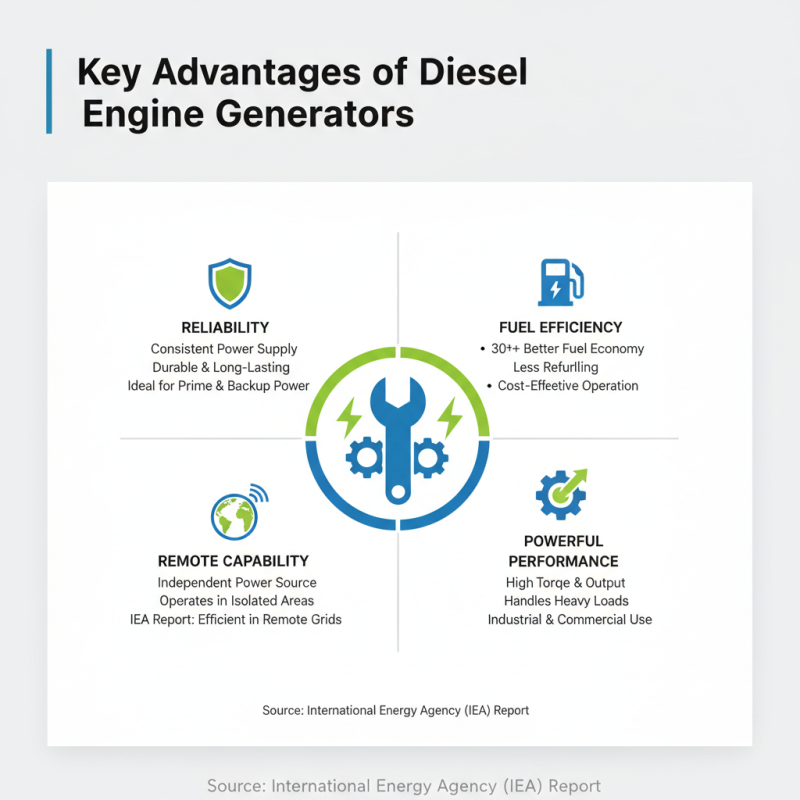
Diesel engine generators are increasingly popular for meeting power needs. Their reliability is one significant advantage. According to a report by the International Energy Agency (IEA), diesel generators can provide efficient power generation even in remote areas. They have been proven to be more fuel-efficient than gasoline generators, often delivering over 30% better fuel economy.
Another key benefit of diesel generators is their durability. Industry studies show that these generators can last for thousands of operating hours with proper maintenance. They are built to withstand harsh environments, making them suitable for various applications. However, high initial costs can be a barrier for some users. Upfront investment and potential maintenance needs are worth considering.
Diesel generators also perform well under heavy load demands. When emergency power is necessary, they can start quickly and provide consistent energy. It’s essential to evaluate other options, as renewable energy sources gain traction. Diesel still holds an edge in terms of immediate performance and reliability in critical situations.
Comparison of Diesel Generators with Other Power Sources
When considering power sources, diesel generators stand out for their reliability and efficiency. They provide a steady power output, even in challenging conditions. This makes them suitable for various applications, from construction sites to remote locations. Unlike some renewable sources, diesel generators can operate continuously without fluctuations. This ensures consistent power supply for critical operations.
In comparison to gasoline generators, diesel engines are more fuel-efficient. They extract more energy from each gallon of fuel. This translates into lower operating costs over time. However, diesel generators can be louder and typically require more maintenance. Their operation emits more pollutants, raising concerns for environmental impact. Users must weigh these factors carefully.
While solar and wind power offer clean alternatives, their performance can be unpredictable. Weather conditions can hinder their efficiency, leading to power shortages. Diesel generators provide a more controlled solution but come with their own set of challenges. Users must evaluate their specific needs and priorities to determine the best power source. Balancing efficiency, cost, and environmental concerns often requires deep reflection.
Why Choose a Diesel Engine Generator for Your Power Needs? - Comparison of Diesel Generators with Other Power Sources
| Power Source |
Initial Cost |
Operating Cost (per hour) |
Fuel Efficiency |
Lifespan (years) |
Environmental Impact |
| Diesel Generator |
$10,000 - $50,000 |
$3.50 |
30% - 40% |
20 - 30 |
Moderate |
| Gasoline Generator |
$1,000 - $10,000 |
$4.50 |
20% - 30% |
5 - 10 |
High |
| Natural Gas Generator |
$5,000 - $25,000 |
$2.50 |
35% - 45% |
15 - 25 |
Moderate |
| Solar Generator |
$8,000 - $30,000 |
$0.50 |
Variable (dependent on sunlight) |
25 - 30 |
Low |
Applications and Industries Benefiting from Diesel Generators
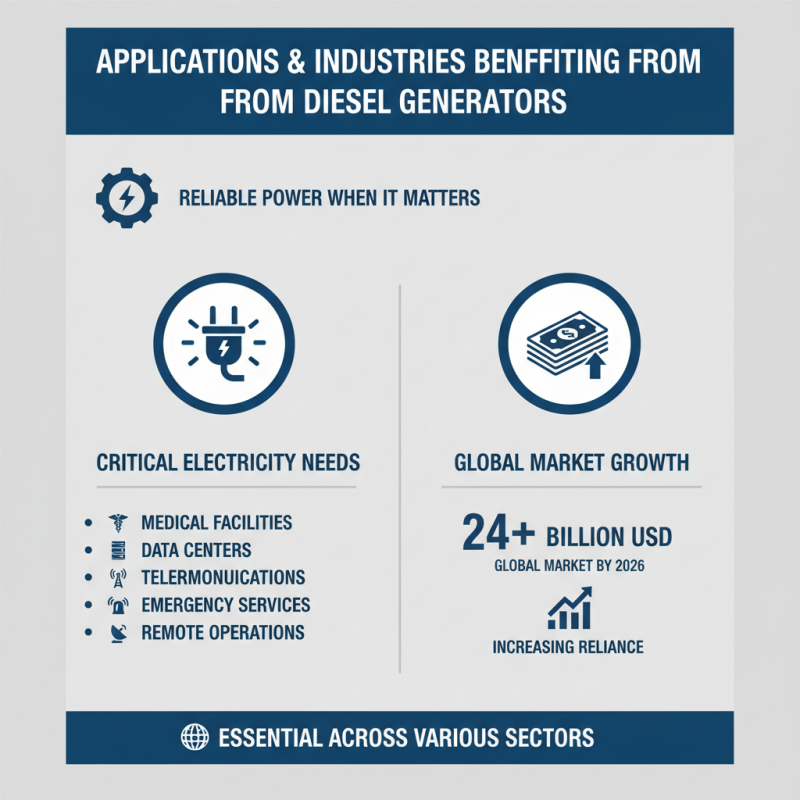
Diesel generators have become essential in various sectors. They provide reliable power across industries, especially where electricity is critical. Reports indicate that the global market for diesel generators is set to exceed $24 billion by 2026, reflecting increasing reliance on these systems.
Construction sites often rely on diesel generators for uninterrupted power supply. These generators endure tough conditions while operating heavy machinery. According to the World Bank, the construction industry contributes 13% of global GDP. Hence, the demand for consistent energy is vital. Hospitals also depend on diesel generators during outages. The Centers for Disease Control and Prevention (CDC) highlights the importance of backup power in healthcare.
Moreover, agriculture benefits significantly from diesel generators. They are used for irrigation, refrigeration, and more. Data from the Food and Agriculture Organization (FAO) shows that modernized farming relies heavily on electric power. Yet, the emissions from diesel engines raise concerns about environmental sustainability. Balancing efficiency with eco-friendliness remains a challenge faced by many sectors today.
Factors to Consider When Selecting a Diesel Generator
When selecting a diesel generator, several factors play a critical role in ensuring optimal performance. One primary consideration is the power output. According to the International Energy Agency, diesel generators can effectively provide from 5 kW to over 2500 kW of power, making them suitable for both small and large applications. It's essential to match the generator's capacity with your specific power needs, accounting for both continuous and peak load requirements. Choosing a generator with the right power capacity helps to avoid underperformance or excessive fuel consumption.
Fuel efficiency is another significant factor. Diesel engines have been reported to be approximately 30% more fuel-efficient than gasoline engines, according to an analysis by the U.S. Energy Information Administration. This efficiency can lead to considerable savings over time, especially in long-term operations. However, users must also consider maintenance costs. Diesel generators may require regular upkeep to maintain efficiency and reliability, potentially leading to higher operational costs.
Noise levels should not be overlooked. Many diesel generators produce significant noise during operation. For environments where quiet operation is crucial, users might need to invest in soundproof enclosures. Its environmental impact is another area for reflection. Despite their robustness, diesel generators emit greenhouse gases, raising questions about sustainability in power generation. Balancing power needs with fuel efficiency, maintenance, noise, and environmental concerns is key when selecting a diesel generator.
Power Generators by Fuel Type
Maintenance and Longevity of Diesel Engine Generators
Diesel engine generators are known for their durability. They often last over 20,000 hours of operation with proper maintenance. Regular upkeep is essential for achieving this lifespan. A study by the U.S. Department of Energy shows that neglected maintenance can reduce engine efficiency by up to 30%. This can lead to higher fuel consumption and more emissions, negating some of the benefits of diesel technology.
Maintenance is not just about changing oil. It includes routine checks of fuel filters, air filters, and cooling systems. Research indicates that a generator, serviced every 500 hours, operates more reliably. Cooling systems need attention too. Overheating can severely damage engines and reduce their life expectancy. Diesel engines provide good fuel efficiency, but only when maintained properly.
It's not uncommon for owners to overlook minor issues. These small problems can escalate into costly repairs. For example, failing to replace a worn injector can cause incomplete combustion. This can lead to a buildup of soot and other residues. Such neglect can result in a lifespan drop by thousands of hours. Effective maintenance requires consistent effort and knowledge. For many, this can feel overwhelming, leading to shortcuts that compromise performance.

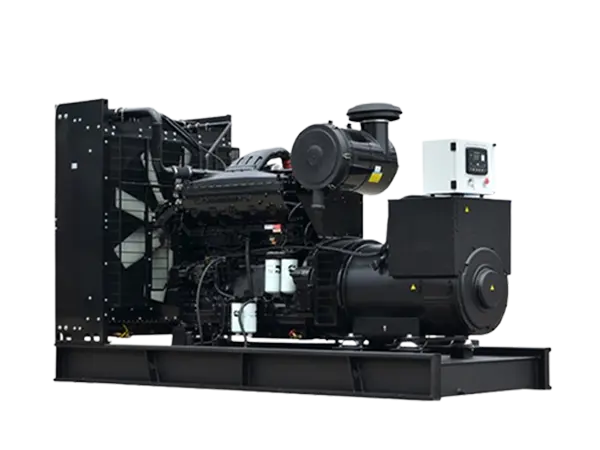 Diesel Generator Sets with Cummins Engines, XHZC Series
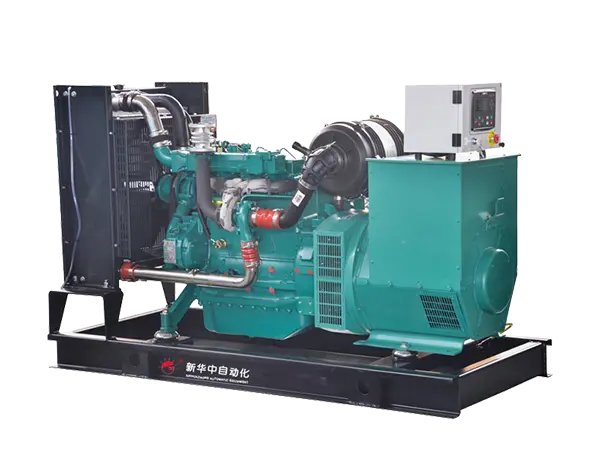 Weichai Series
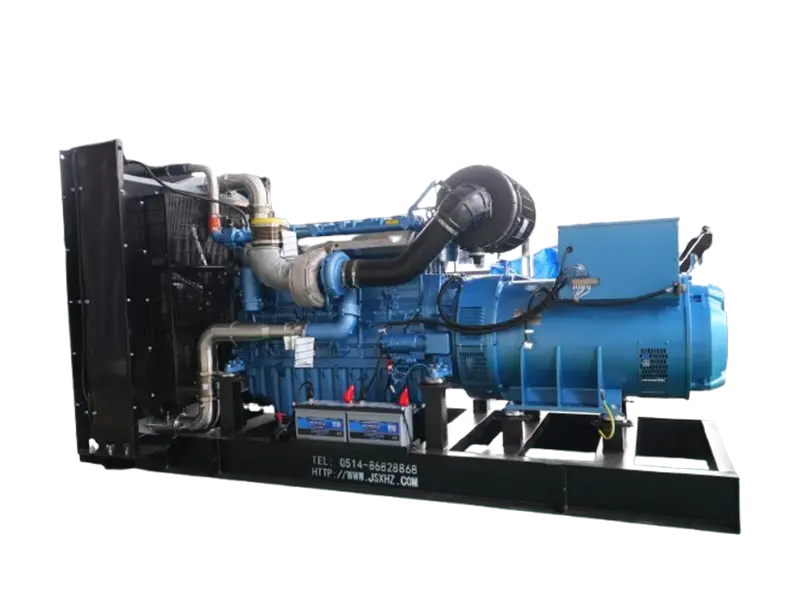 Diesel Generator Sets with WEICHAI Engines, XHZW Series
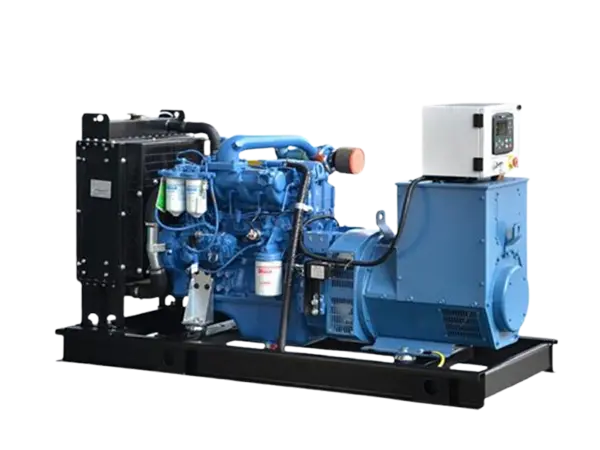 Yuchai Series
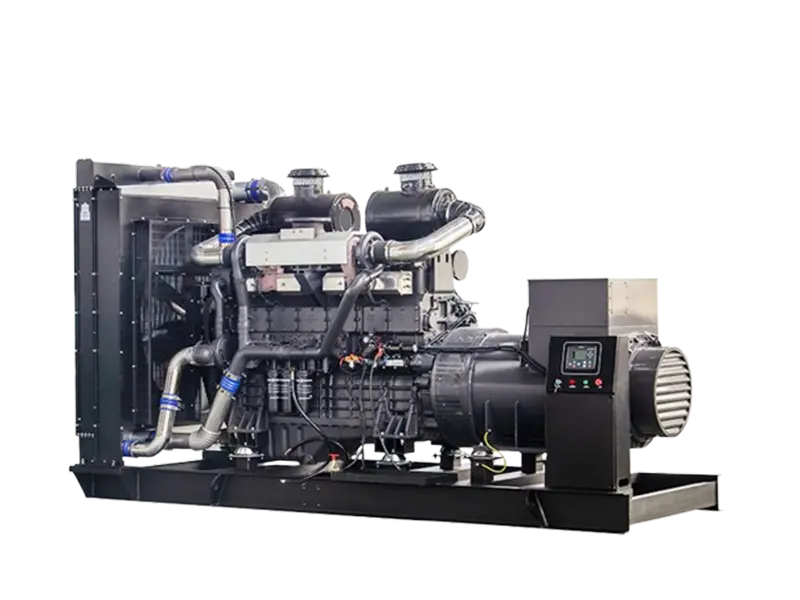 Diesel Generator Sets with SDEC(SHANGCHAI) Engines, XHZS Series
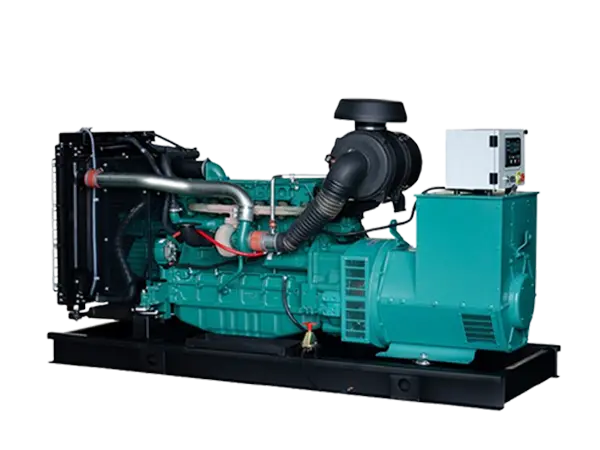 Volvo Series
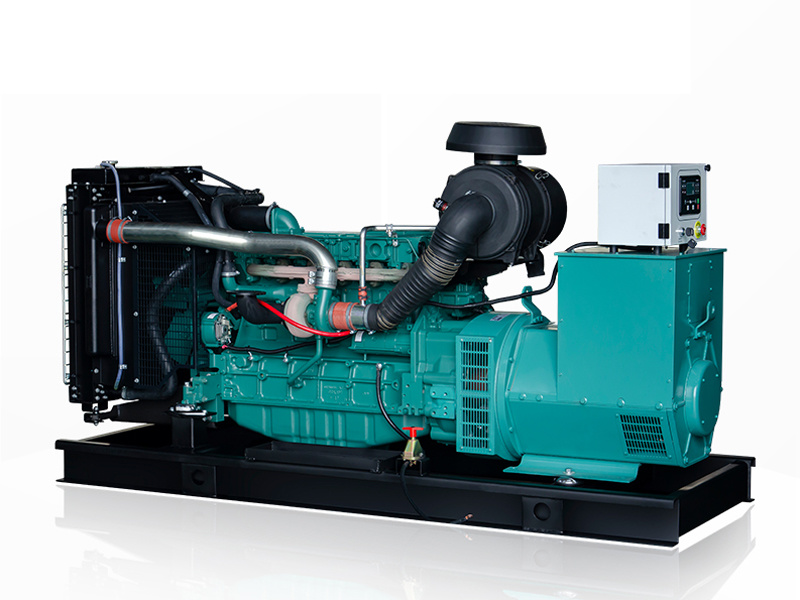 Diesel Generator Sets with VOLVO Engines, XHZV Series
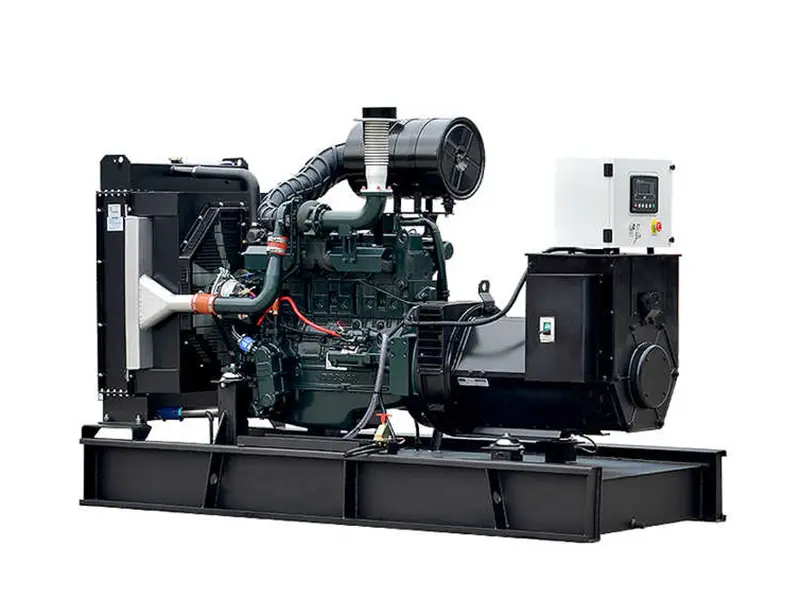 Diesel Generator Sets with Doosan Engines
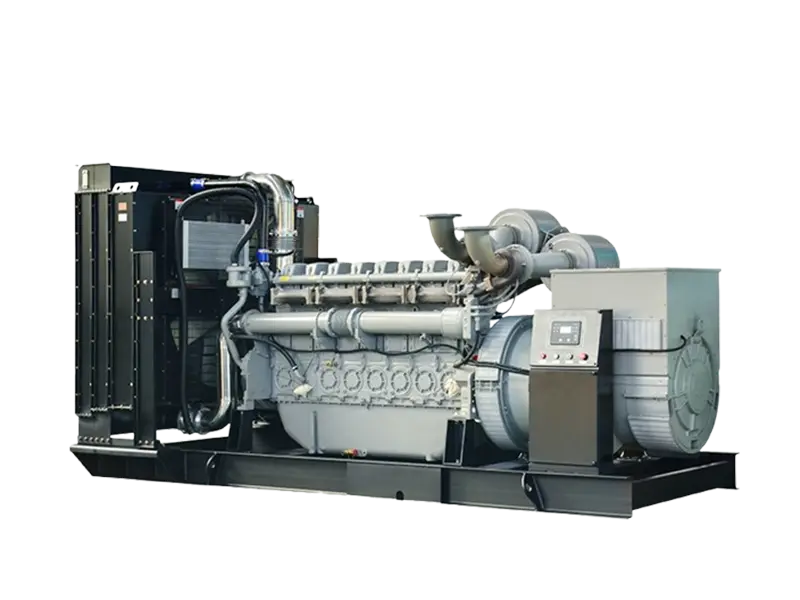 Diesel Generator Sets with Perkins Engines, XHZP Series
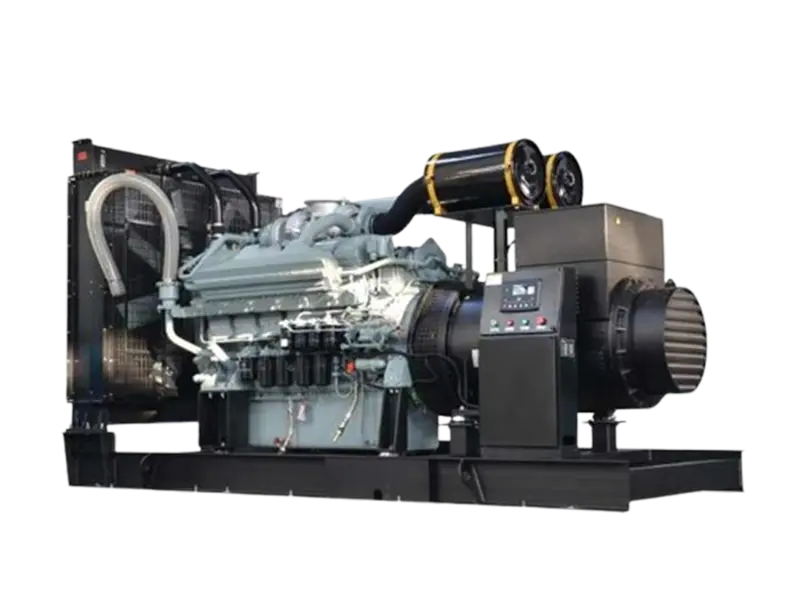 Diesel Generator Sets with Mitsubishi Engines
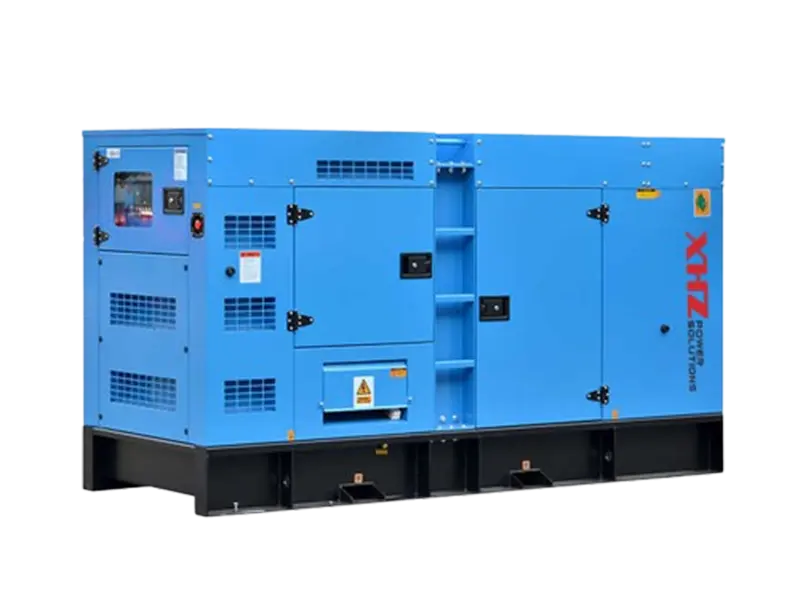 Silent Diesel Generators
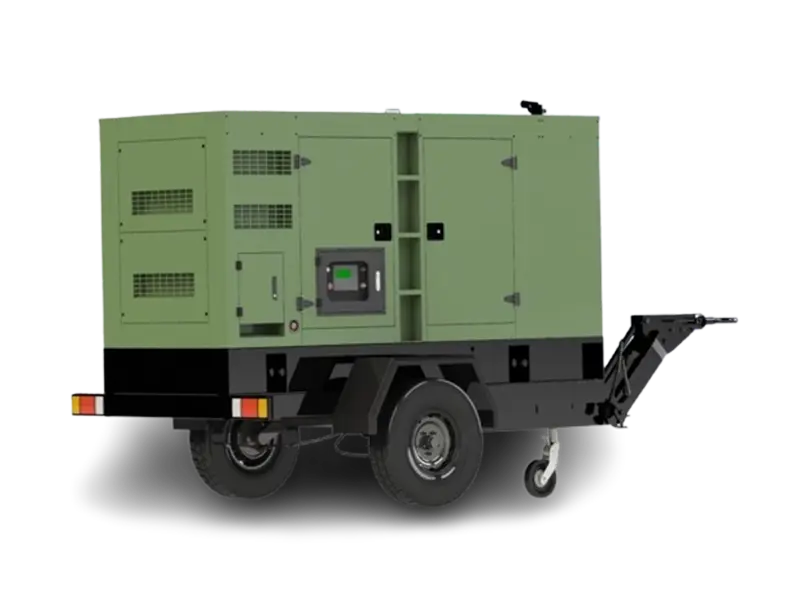 Mobile Silent Diesel Generators
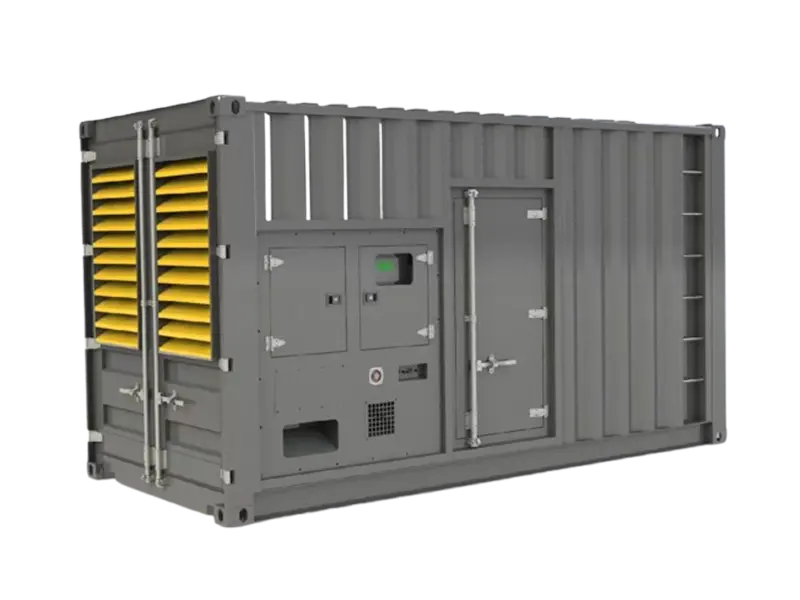 20/40HQ-Standard Container Type Generators