Why Choose a Diesel Standby Generator for Your Power Needs?
In today's world, power reliability is crucial for homes and businesses alike. According to John Smith, a leading expert in the diesel power industry, "A Diesel Standby Generator is not just a backup; it’s a lifeline." This underscores the importance of having an efficient power solution readily available. Diesel standby generators provide unmatched performance during power outages, ensuring that essential operations continue without interruption.
The benefits of a Diesel Standby Generator are clear. They offer durability and long-lasting power, operating efficiently under heavy loads. These generators are designed to kick in automatically, minimizing downtime and keeping critical systems running. However, selecting the right generator involves careful consideration of fuel availability, maintenance, and installation costs.
While diesel generators have proven reliable, it's essential to reflect on potential issues. Emissions and noise levels can be concerns for some users. Proper evaluation is necessary to balance power needs with environmental responsibilities. A Diesel Standby Generator can be an invaluable asset, but thoughtful planning is key to fully harnessing its benefits.

Benefits of Diesel Standby Generators for Reliable Power Supply
Diesel standby generators are a popular choice for ensuring reliable power supply. They provide various benefits, making them ideal for many settings. According to a report from the U.S. Department of Energy, backup generators can maintain power during outages, which are increasingly frequent. Businesses lose an average of $15,000 for every hour of downtime. A dependable diesel generator can help avoid such losses.
One key advantage of diesel generators is their fuel efficiency. Diesel engines typically get more power from each gallon compared to gasoline engines. The U.S. Environmental Protection Agency estimates that diesel-powered systems can be up to 30% more efficient. This translates to lower operational costs over time. In addition, diesel generators have a longer lifespan, often exceeding 20,000 hours of operation with proper maintenance.
However, it is essential to consider some challenges. Noise pollution is a common concern for users and surrounding areas. Some generators produce noise levels that can be disruptive. Furthermore, regular maintenance is vital to ensure longevity and performance. Users should also keep an eye on the environmental impact of diesel emissions. Balancing reliability and sustainability can be a complex task, yet it's crucial for effective power solutions.
Comparison of Diesel vs. Gasoline Standby Generators' Efficiency
When evaluating standby generators, efficiency is crucial. Diesel engines often stand out against gasoline options. Diesel generators are known for their higher thermal efficiency. This means they convert more fuel energy into usable electricity. Users can expect longer running times, which is essential during outages.
In addition to fuel efficiency, diesel generators typically offer better longevity. They are built to withstand extended use, with robust components designed for heavy loads. This durability can lead to lower maintenance costs over time. However, diesel generators can be louder and may require more upfront investment. Gasoline generators often appear more accessible and convenient for smaller applications, but their efficiency wanes during prolonged use.
Choosing between diesel and gasoline hinges on specific needs. Diesel generators thrive in commercial setups where power demand is high. Yet, they may not be ideal for residential use, given their cost and noise levels. Individual needs and circumstances should drive this decision. Reflecting on these factors helps ensure the best choice for power reliability.
Environmental Impact of Diesel Generators and Emission Control Technologies
Diesel generators play a crucial role in providing reliable backup power. However, their environmental impact cannot be ignored. These generators emit particulate matter, nitrogen oxides, and greenhouse gases. Understanding these emissions is essential when considering a diesel standby generator.
Recent advancements in emission control technologies can significantly reduce the environmental footprint of diesel generators. Technologies like diesel particulate filters (DPFs) and selective catalytic reduction (SCR) systems help minimize harmful emissions. These systems can help users meet regulatory standards while maintaining efficient operation.
Tips: Regular maintenance of your generator can enhance emission control. Clean filters and tuned engines reduce pollutants. Additionally, consider using biodiesel blends. They can lower emissions compared to traditional diesel. Each small step counts toward a greener choice.
While diesel generators are effective, it’s essential to balance power needs with environmental concerns. Monitoring emissions and utilizing advanced technologies can improve sustainability. Adopting cleaner practices requires intention and awareness. It's important to stay informed about evolving regulations and technologies.
Application of Diesel Generators in Critical Industries and Infrastructure
Diesel generators play a crucial role in critical industries and infrastructure. These generators provide reliable power during outages, ensuring that essential services remain operational. According to the U.S. Energy Information Administration (EIA), diesel generators accounted for nearly 25% of the backup power systems in critical facilities, such as hospitals and data centers.
In healthcare, uninterrupted power is vital. A study by the National Institute of Health found that lost power can lead to adverse patient outcomes. Hospitals are increasingly investing in diesel standby generators. These systems can deliver the necessary electricity for life-saving equipment, refrigeration of medications, and lighting. The reliability of diesel generators can mean the difference between life and death in emergencies.
Infrastructure like water treatment plants also relies on diesel generators. A report from the American Water Works Association indicates that a significant number of these facilities utilize diesel power for backup. Any disruption in service can have serious consequences for public health. Challenges such as maintenance and fluctuating fuel prices need addressing. However, the overall effectiveness of diesel generators in critical applications is hard to dispute. Their role is indispensable in maintaining safety and operational continuity.
Diesel Generator Applications in Critical Industries
Diesel standby generators play a crucial role in ensuring power reliability across various critical industries. The chart above illustrates the percentage of power reliability offered by diesel generators in sectors like healthcare, data centers, telecommunications, construction, and transportation. These industries rely heavily on continuous power to maintain operations and safeguard against outages.
Cost-Effectiveness of Diesel Standby Generators Over Their Lifespan
When considering power needs, diesel standby generators stand out for their cost-effectiveness. Over their lifespan, these generators prove to be a savvy investment. Diesel fuel is generally less expensive than gasoline, leading to lower operational costs. This means organizations can enjoy greater reliability without breaking the bank.
Maintenance plays a crucial role in the overall cost. Diesel generators often require less frequent maintenance than their gasoline counterparts. Their robust design tends to endure over time, which translates to fewer repairs. Yet, some users overlook the importance of regular service. Neglect can lead to costly fixes and reduced efficiency.
In addition, the initial purchase price can be higher for diesel generators. However, when evaluating total ownership costs, their longevity balances this out. Many diesel generators last up to 30 years with proper care. This longevity can significantly reduce long-term expenses, despite initial costs. Users must weigh upfront investments against future savings carefully.

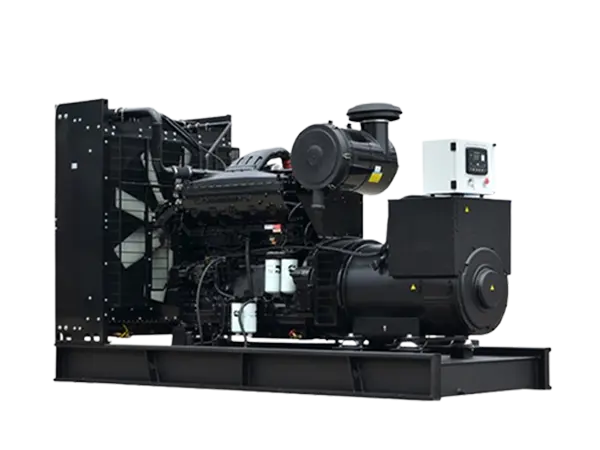 Diesel Generator Sets with Cummins Engines, XHZC Series
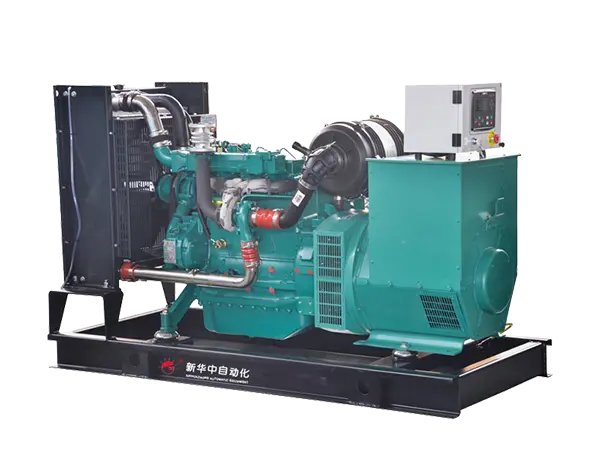 Weichai Series
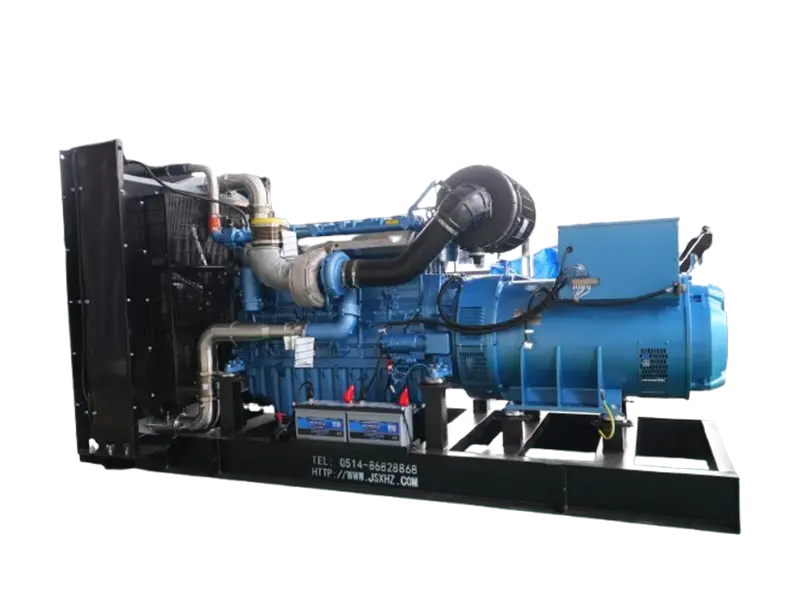 Diesel Generator Sets with WEICHAI Engines, XHZW Series
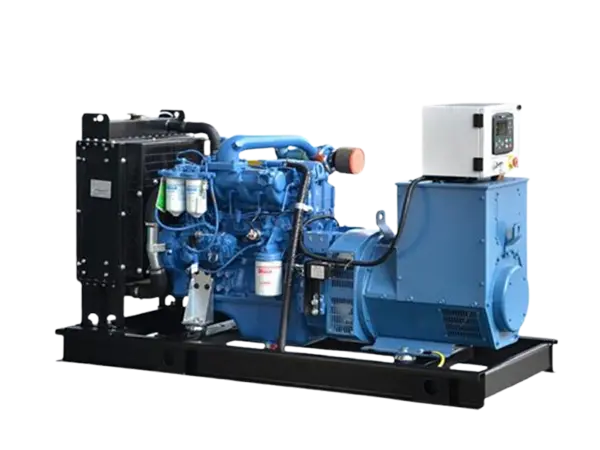 Yuchai Series
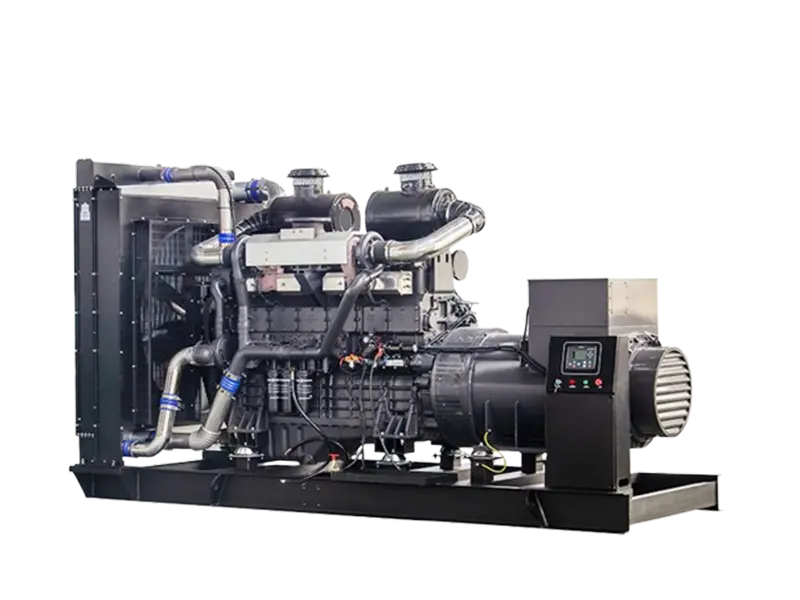 Diesel Generator Sets with SDEC(SHANGCHAI) Engines, XHZS Series
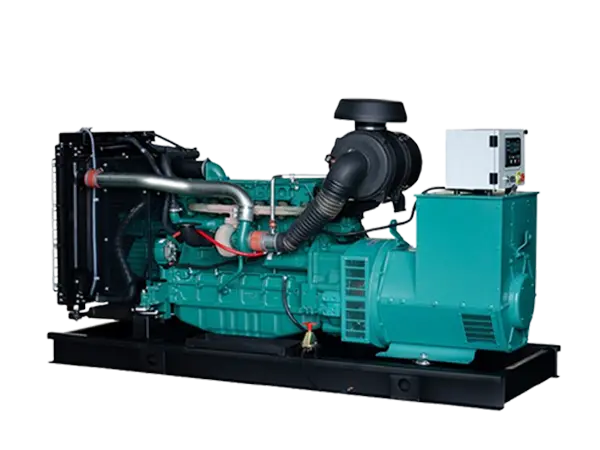 Volvo Series
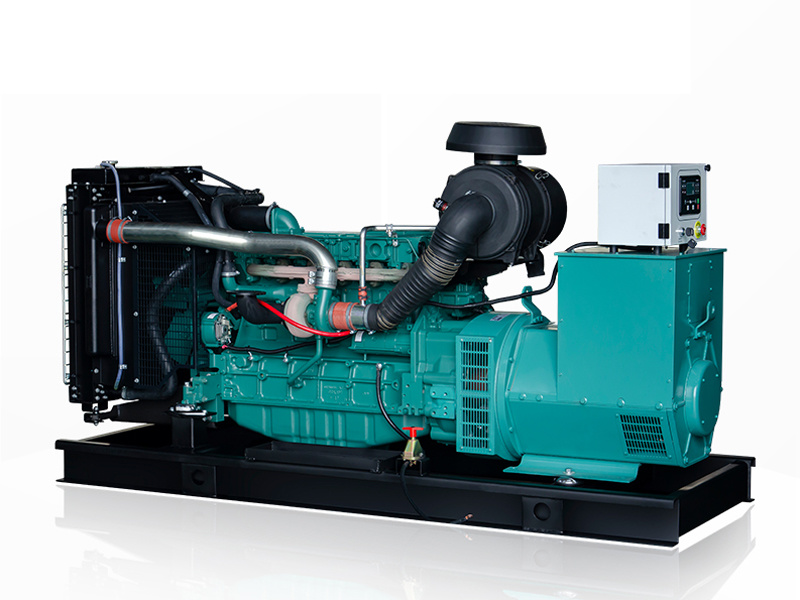 Diesel Generator Sets with VOLVO Engines, XHZV Series
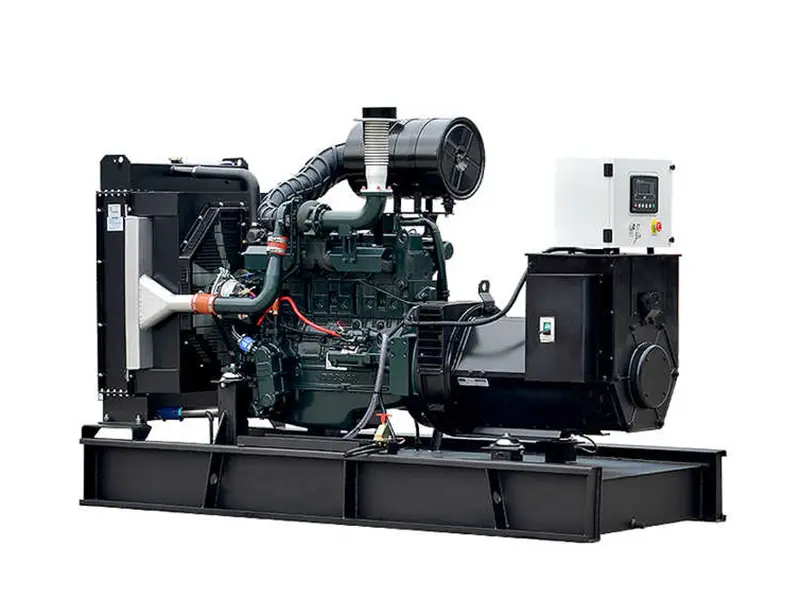 Diesel Generator Sets with Doosan Engines
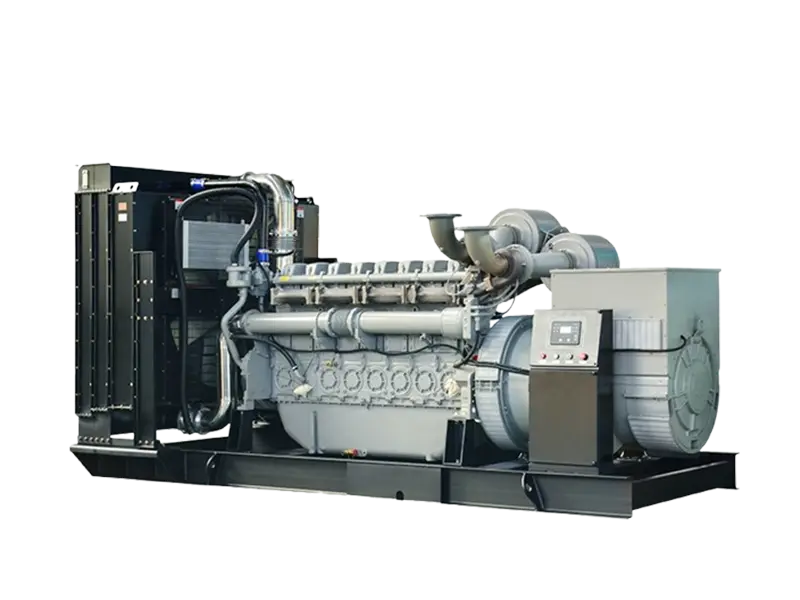 Diesel Generator Sets with Perkins Engines, XHZP Series
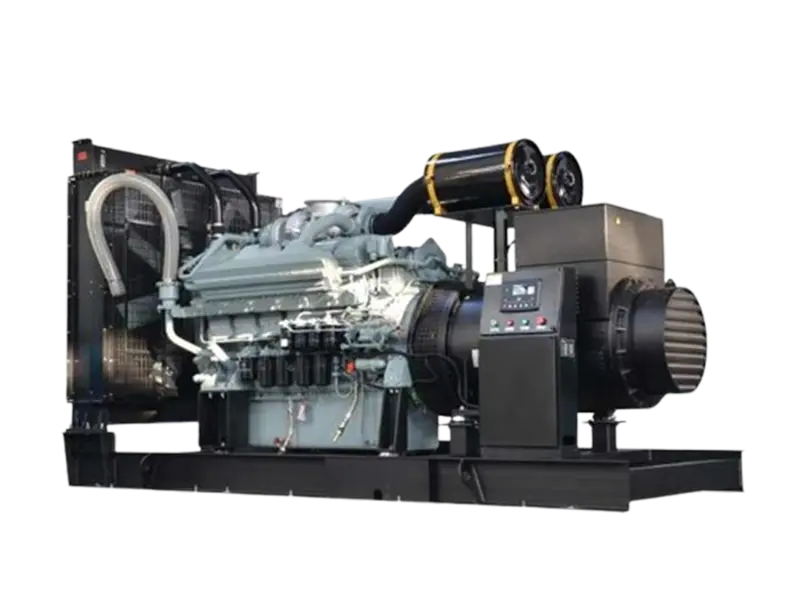 Diesel Generator Sets with Mitsubishi Engines
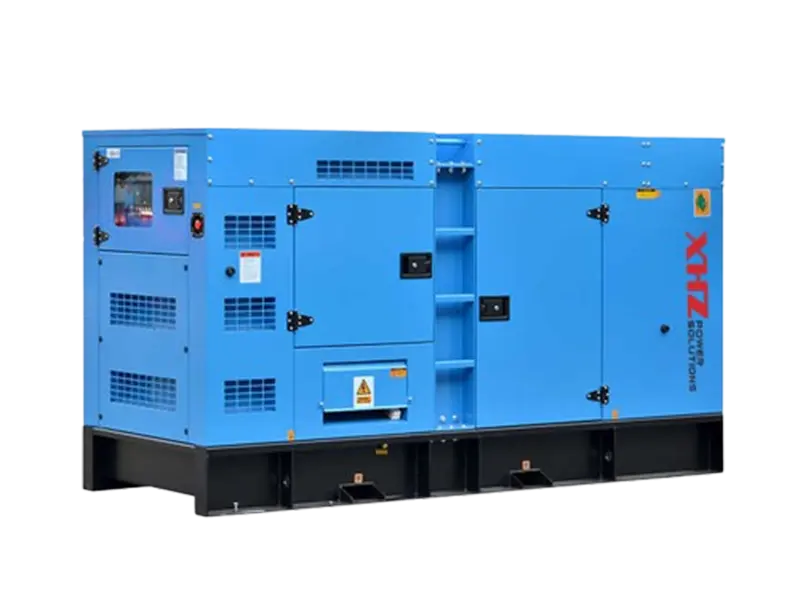 Silent Diesel Generators
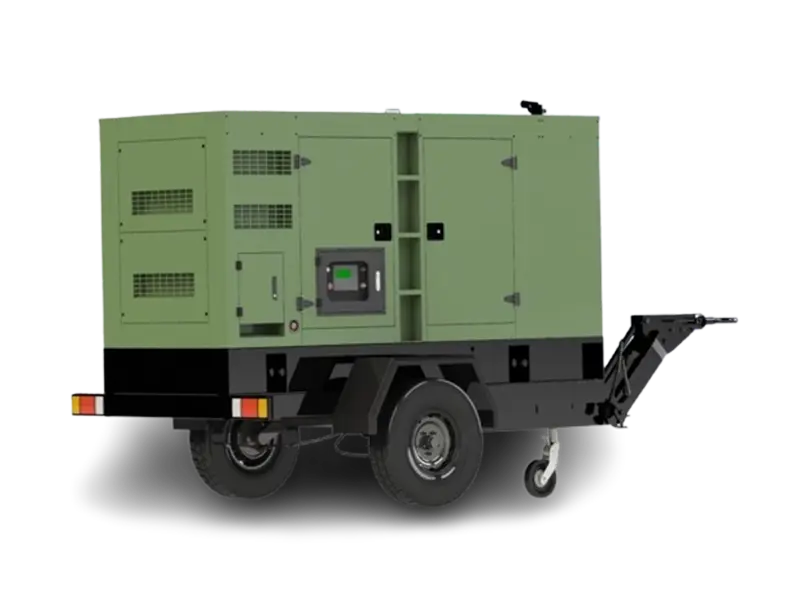 Mobile Silent Diesel Generators
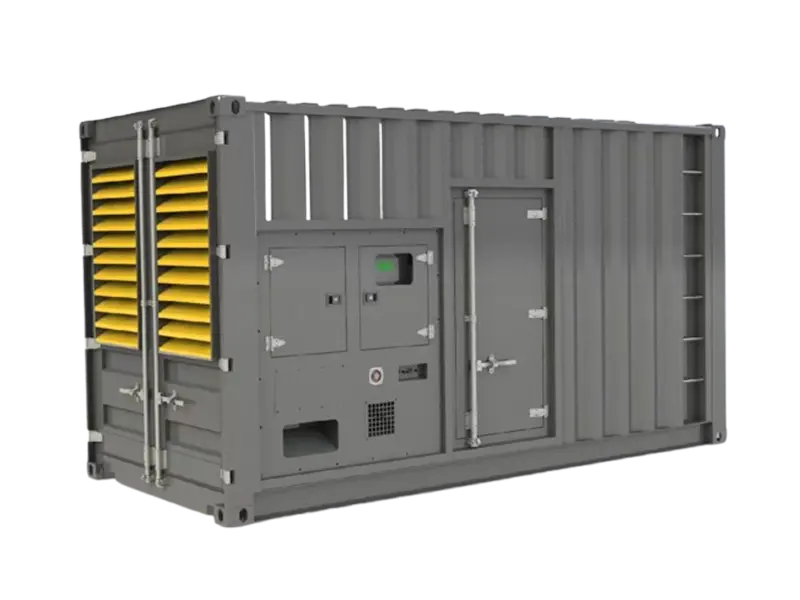 20/40HQ-Standard Container Type Generators