Why Choose an Emergency Diesel Generator for Your Power Needs?
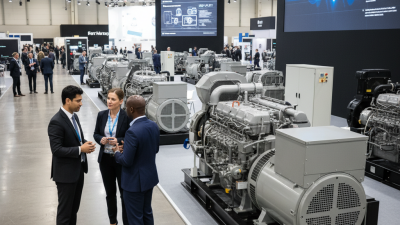
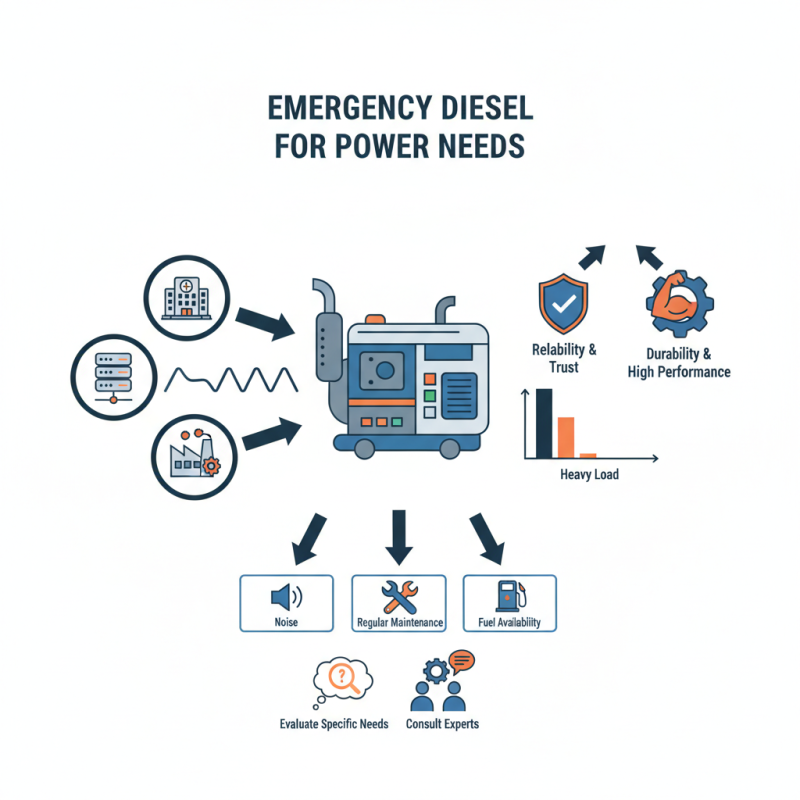
When it comes to power needs, reliability is key. An Emergency Diesel Generator stands out as a robust solution. These generators are designed to deliver consistent power during outages. They are essential for businesses that cannot afford downtime. Hospitals, data centers, and manufacturing units rely on them.
Choosing an Emergency Diesel Generator means investing in trust and performance. Unlike other generators, they provide reliable power with high efficiency. Diesel generators are known for their durability and longevity. They can handle heavy loads without faltering. This can be crucial in emergencies when every second counts.
However, it’s essential to consider potential drawbacks. Diesel generators can be noisy and require regular maintenance. Users must also factor in fuel availability during crises. Evaluating the specific needs is vital for optimal performance. Discussing these aspects with experts can guide you in making the right choice. An informed decision is crucial for ensuring you are prepared for any power crisis.
Benefits of Emergency Diesel Generators in Critical Power Supply
Emergency diesel generators play a crucial role in providing reliable power during unforeseen outages. Data from the U.S. Energy Information Administration indicates that approximately 8% of electricity consumers experience power interruptions each year. These outages can last from a few minutes to several hours. In critical environments like hospitals and data centers, continuous power is not just important; it’s vital for life-saving procedures and data preservation. Diesel generators can restore power swiftly, ensuring that essential operations remain uninterrupted.
One notable benefit of diesel generators is their robustness. Unlike other energy sources, diesel generators can operate in extreme weather conditions. According to a report by the International Energy Agency, diesel generators are capable of functioning in temperatures ranging from -40°F to 122°F. This adaptability makes them appealing for businesses in diverse geographic regions. Additionally, they require less maintenance compared to gas-powered generators. This lower maintenance need can translate into cost savings over time. However, it’s crucial to assess the fuel availability in your area, as supply issues can arise during crises.
While diesel generators provide many benefits, they also come with challenges. Emission regulations are increasingly stringent. This can complicate their usage in urban areas. Businesses must weigh these factors carefully. They need to consider both the generator's performance and the regulatory environment. Finding the right balance is essential for a sustainable and reliable power solution.
Understanding the Reliability and Durability of Diesel Generators
When it comes to power needs, emergency diesel generators stand out. Their reliability is unmatched in critical situations. Diesel generators can operate in harsh conditions. They maintain consistent power output during blackouts. This characteristic is crucial for businesses that rely on continuous operations.
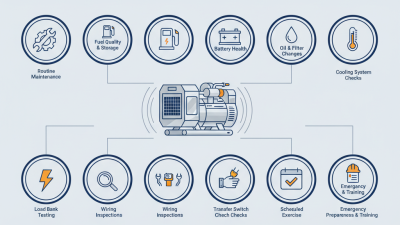
Durability is another key feature of diesel generators. They are built to withstand wear and tear. The robust construction allows them to function for long hours. Users often find them running perfectly even after years of service. However, they do require regular maintenance. Neglecting this can lead to unexpected breakdowns.
Tips:
- Always check the fuel levels before use.
- Regular oil changes extend the life of your generator.
- Consider creating a maintenance schedule.
This ensures your generator is always ready when you need it. Remember, a well-maintained generator provides peace of mind during emergencies.
Compliance with Regulatory Standards and Safety Protocols in Power Backup
When selecting an emergency diesel generator, regulatory compliance stands out as a critical factor. Different industries must adhere to strict guidelines. This ensures that operations remain safe and reliable even during power outages. Compliance measures often relate to emissions standards, noise regulations, and safety protocols. It's essential to understand local requirements before making a choice.
Investing in a generator that meets these standards protects not only your business but also the community. An improperly sized or installed generator can lead to safety hazards. For example, inadequate ventilation may result in dangerous carbon monoxide buildup. Therefore, assessing safety features and installation practices is vital. Pay attention to guidance from industry professionals. Their expertise can help navigate complex regulations and ensure operational integrity.
Cost-Effectiveness and Efficiency of Diesel Generators Over Time
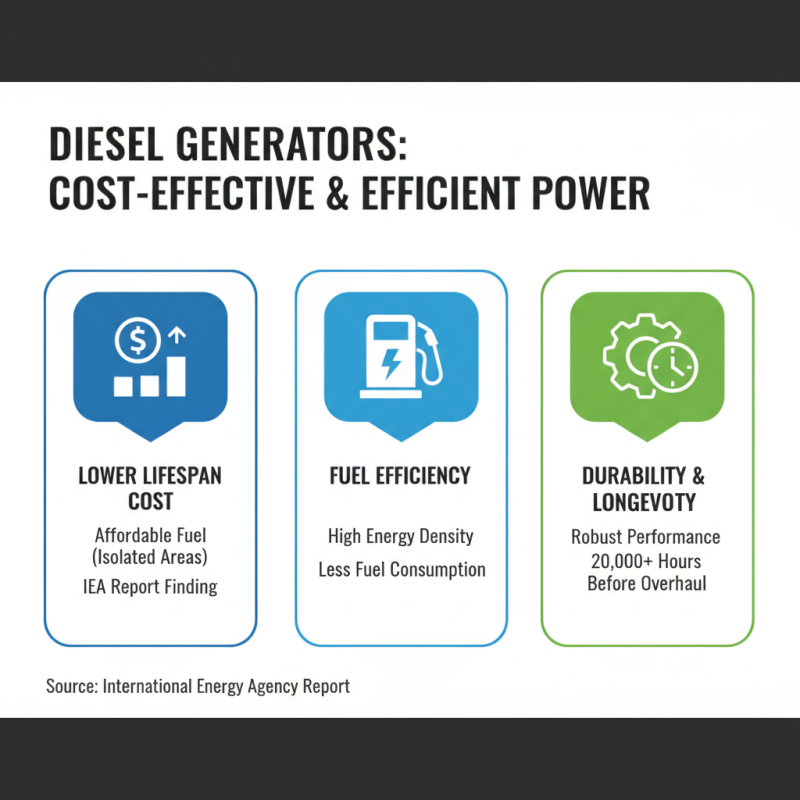
Emergency diesel generators (EDGs) are often seen as a cost-effective solution for power needs. A recent report by the International Energy Agency shows that diesel generators can be more affordable over their lifespan compared to other power sources. They have a lower fuel cost, especially in isolated areas where grid access is limited. This efficiency stems from diesel’s high energy density. Diesel engines are known for their robust performance and longevity. Many units can last for over 20,000 hours of operation before needing major overhauls.
While initial costs can be higher than other types of generators, the long-term savings are significant. According to the Diesel Technology Forum, diesel engines emit lower levels of CO2 per unit of energy produced. This efficiency translates to reduced fuel consumption and lower overall operational costs. Furthermore, businesses can save on maintenance costs due to the simplicity of the diesel engine design.
However, it's essential to acknowledge the environmental concerns related to diesel use. The emissions from diesel generators can contribute to air pollution. This raises questions about regulatory compliance in certain regions. It’s a challenge for users to balance cost-effectiveness with environmental responsibility. As the demand for cleaner energy increases, evaluating diesel generators' role in future energy needs may become necessary.
Real-World Applications and Performance Metrics of Diesel Generators
When considering power needs, emergency diesel generators stand out for their reliability and performance. According to the International Energy Agency (IEA), diesel generators can provide continuous power for up to 1,000 hours per year. This makes them essential in sectors like healthcare, data centers, and manufacturing, where power interruptions can lead to significant losses. In hospitals, for instance, continuous power is crucial for life-saving equipment. In 2021, nearly 30% of healthcare facilities reported using diesel generators as their primary backup solution.
The efficiency of diesel generators is also noteworthy. The U.S. Environmental Protection Agency (EPA) states that they can achieve up to 90% fuel efficiency in optimal conditions. This efficiency translates into cost savings and lower emissions, contributing to a more sustainable energy approach. However, the performance metrics can vary based on installation and maintenance practices. Some users have reported unexpected downtime due to inadequate maintenance, highlighting the need for regular checks and servicing.
Tip: Regularly maintain your diesel generator by scheduling routine inspections. This can prevent unexpected failures and extend the generator's lifespan.
Diesel generators operate effectively in extreme conditions. Studies have shown that they can function in temperatures as low as -20°C and up to 50°C. Nonetheless, certain models may struggle under harsh climates without proper temperature management systems. Ensuring your generator is adequately rated for local conditions is crucial for optimal performance.
Tip: Always consult with professionals to select the correct diesel generator for your specific power needs.

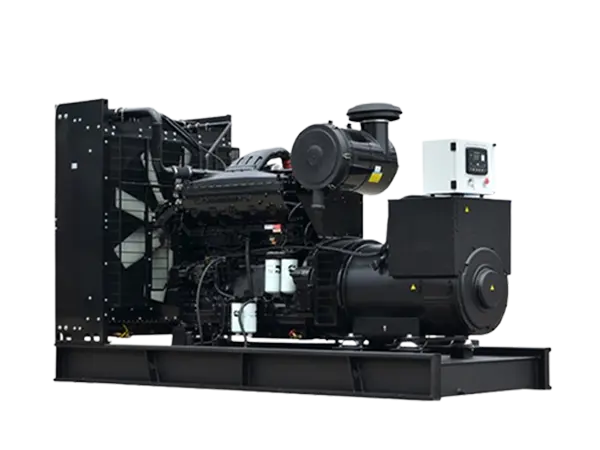 Diesel Generator Sets with Cummins Engines, XHZC Series
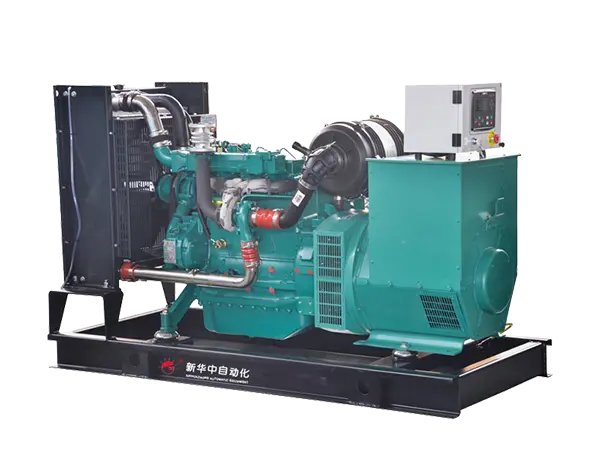 Weichai Series
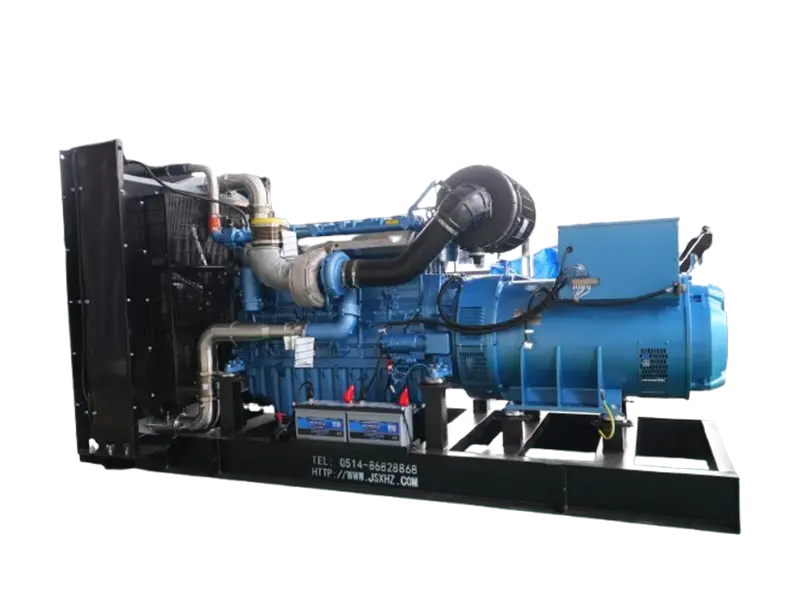 Diesel Generator Sets with WEICHAI Engines, XHZW Series
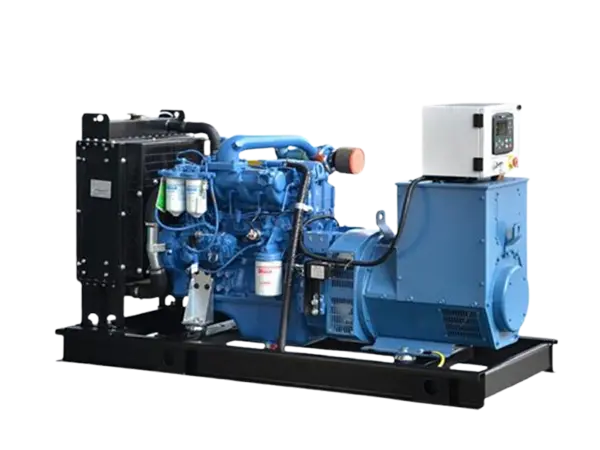 Yuchai Series
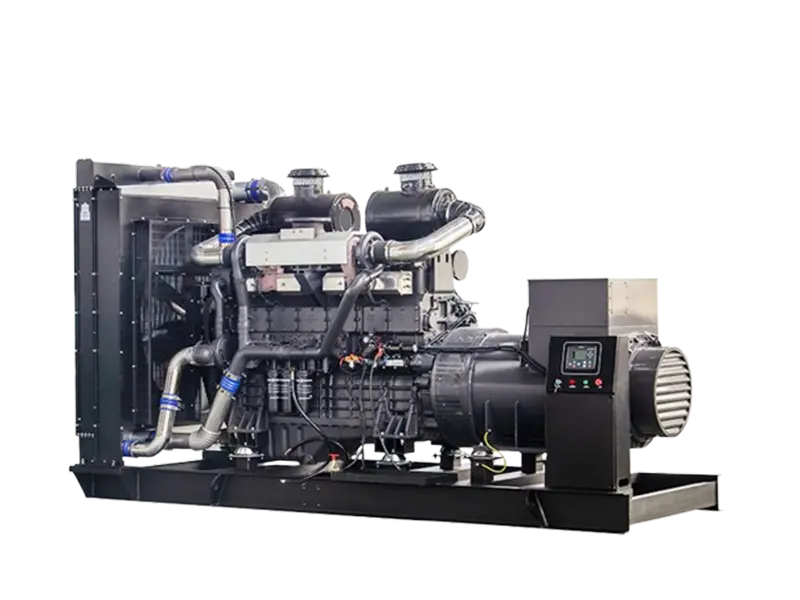 Diesel Generator Sets with SDEC(SHANGCHAI) Engines, XHZS Series
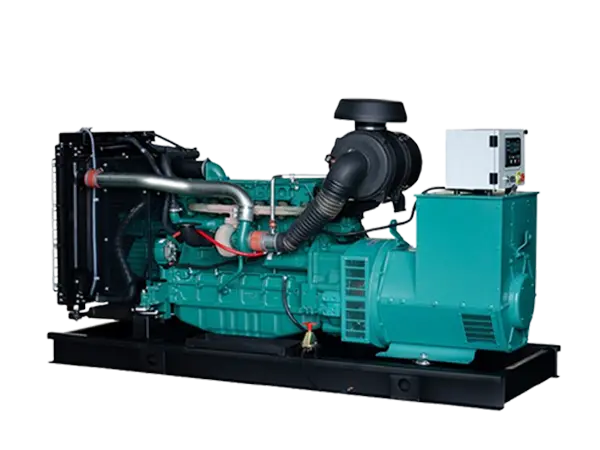 Volvo Series
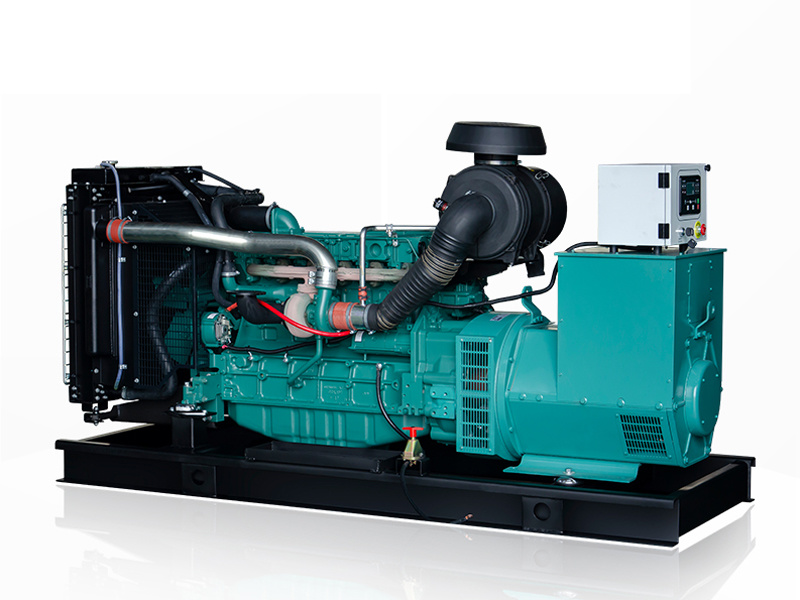 Diesel Generator Sets with VOLVO Engines, XHZV Series
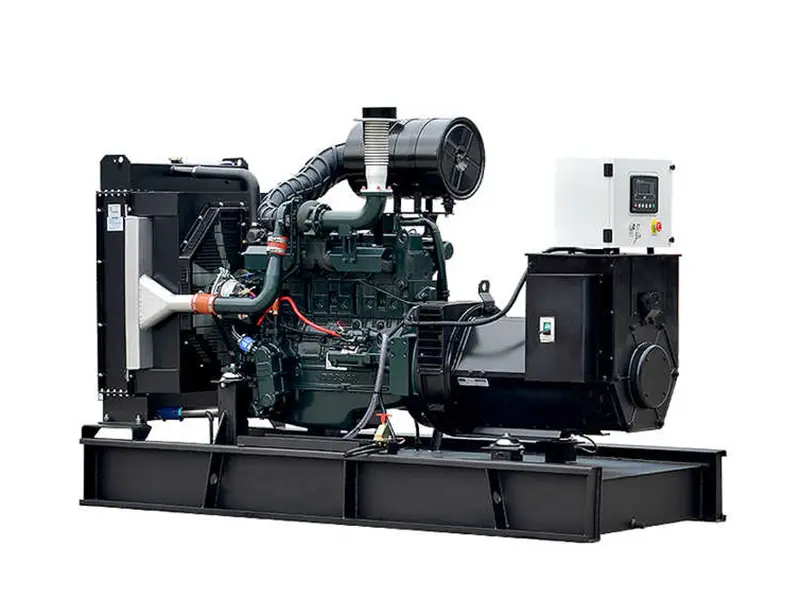 Diesel Generator Sets with Doosan Engines
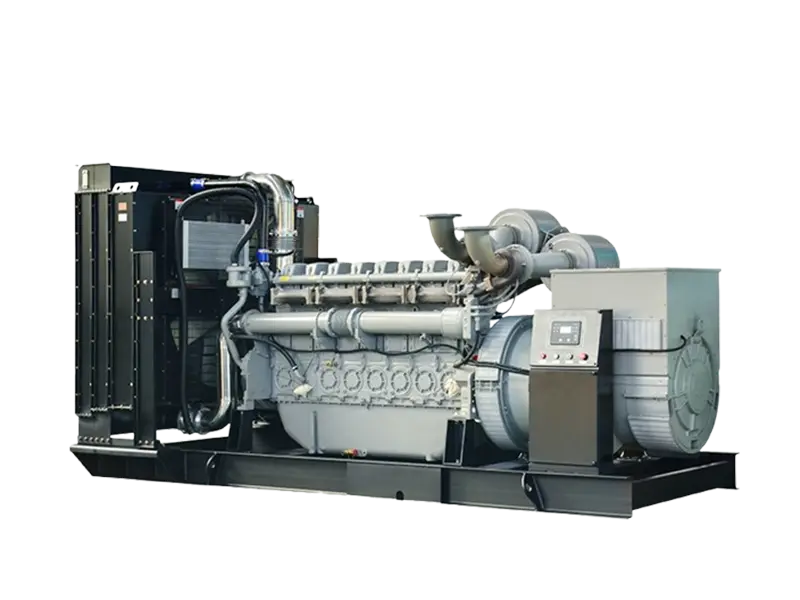 Diesel Generator Sets with Perkins Engines, XHZP Series
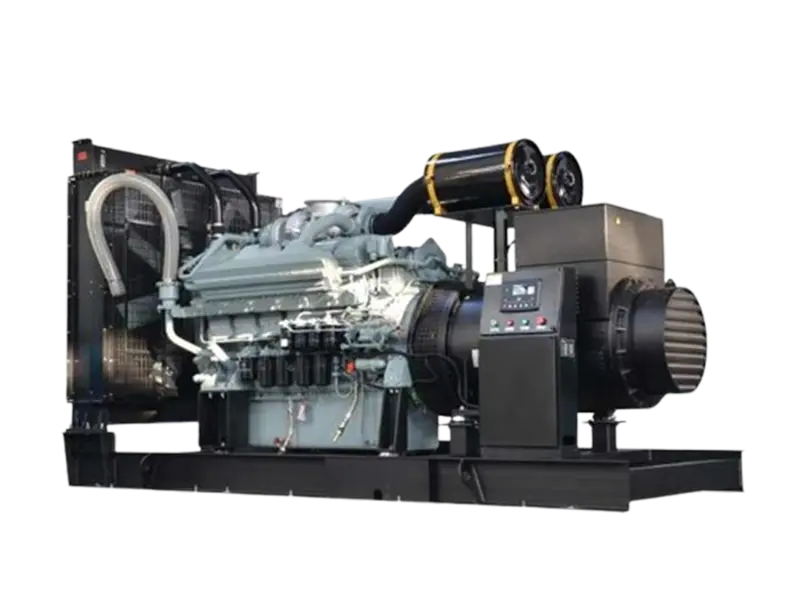 Diesel Generator Sets with Mitsubishi Engines
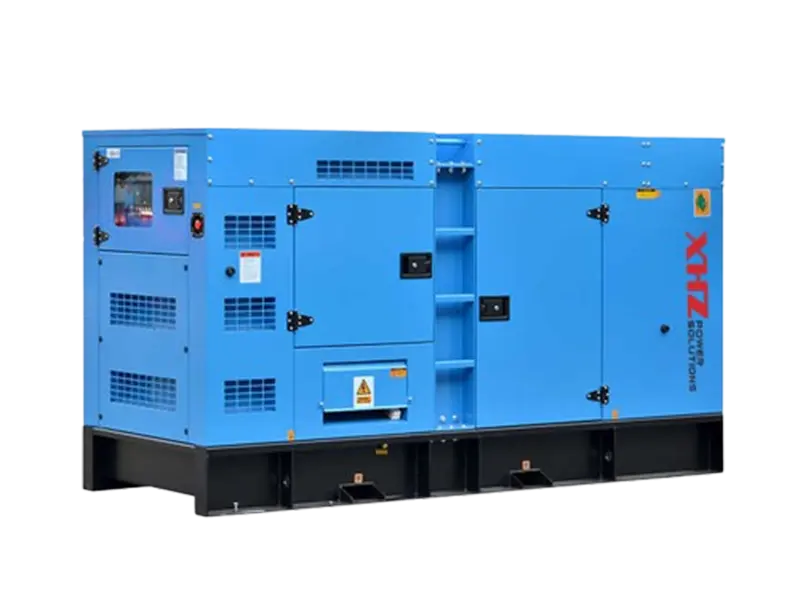 Silent Diesel Generators
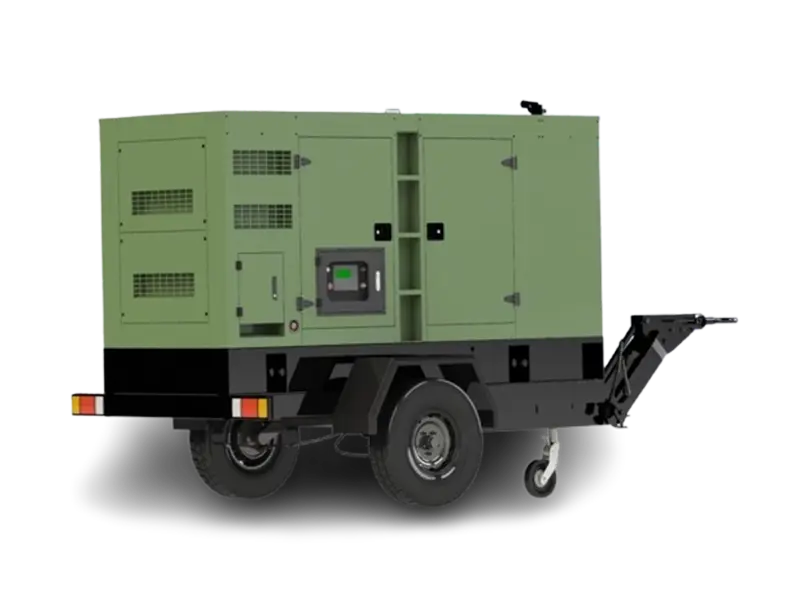 Mobile Silent Diesel Generators
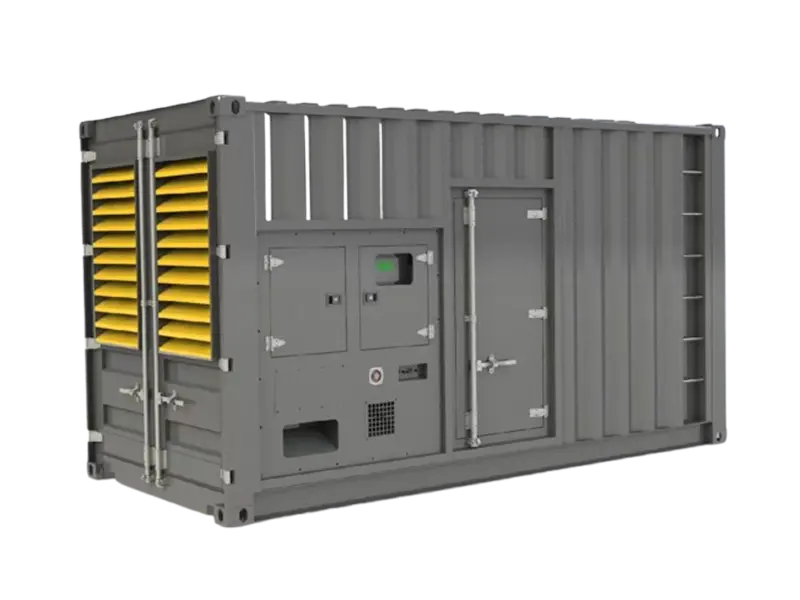 20/40HQ-Standard Container Type Generators