How to Choose the Best Silent Type Generator for Your Needs?
Choosing the right Silent Type Generator is crucial for various applications. Whether used for home backup power or industrial settings, noise levels and efficiency are paramount. According to a report by the International Energy Agency, the global market for generator sets is projected to reach USD 24.5 billion by 2025, driven by rising energy demands. This underscores the need for advanced, noise-reducing technology.
Understanding your specific needs is essential. Some models prioritize quiet operation, while others focus on power output. A study from MarketsandMarkets highlights that the demand for quieter generators is increasing, especially in residential areas. However, not all Silent Type Generators perform equally. Some may offer great soundproofing but compromise on fuel efficiency or durability.
Analyzing user reviews and industry ratings can provide insight into the best options. However, relying solely on numbers may not reveal the full picture. There are trade-offs to consider, such as generator size and maintenance requirements. Evaluating these factors carefully is important to make an informed decision about your Silent Type Generator.
Understanding the Different Types of Silent Generators Available
When selecting a silent type generator, it’s crucial to understand the various types available. Silent generators can vary greatly in design and functionality.
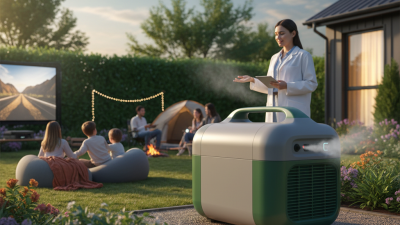
Inverter generators are known for their quiet operation and fuel efficiency. They produce clean energy suitable for sensitive electronics. This makes them ideal for camping or residential use. However, their power output may be limited for larger applications.
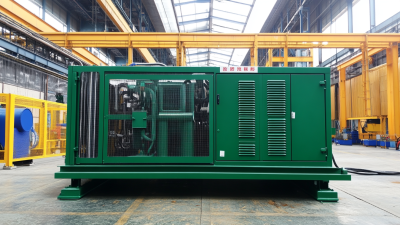
Conversely, diesel silent generators offer significant power and durability. They are often used for industrial purposes, providing continuous energy supply with less frequent refueling. However, they can be louder than their inverter counterparts. Their maintenance is also more demanding, which might be a concern for some users.
Choosing the right generator requires an evaluation of your specific needs. Consider power requirements, intended use, and noise restrictions. It is advisable to research various options thoroughly. Speak with experts if necessary. Your choice should align not just with practical needs, but also with personal preferences for noise and maintenance. Remember, the best silent generator for you is the one that fits your unique situation.
Assessing Your Power Needs and Usage Scenarios
When selecting a silent type generator, assessing your power needs is crucial. According to a report by the International Energy Agency, understanding your energy requirements can prevent overpayment for unnecessary power capacity. Analyze the devices you plan to use. This helps in identifying the wattage required. For example, a standard refrigerator may need around 200-600 watts, while larger appliances demand significantly more.
Evaluate the frequency of usage as well. If you only need backup power during outages, a generator with lower capacity may suffice. However, for regular use in remote sites, a more robust unit is essential. Consider run time as well; many generators operate for 8-12 hours on a tank.
Tips: Always calculate the total wattage before purchasing. Check the generator's noise levels; less than 60 decibels is ideal for residential areas. Also, reflect on fuel type; propane may be cleaner, but gasoline generally provides more energy per gallon. Stay informed about maintenance needs to ensure longevity.
Power Needs Assessment for Silent Type Generators
Key Features to Look for in a Silent Generator
When choosing a silent generator, consider its noise level. Noise is measured in decibels (dB). The ideal model should operate below 60 dB. This ensures minimal disruption while ensuring reliable power. Recent industry reports indicate that around 70% of users prioritize sound levels when selecting generators.
Another key feature is fuel efficiency. Silent generators come in various fuel types, such as diesel and gasoline. Diesel generators typically offer greater efficiency, running longer on less fuel. According to the latest energy consumption statistics, diesel generators can save up to 30% more fuel compared to their gasoline counterparts. This efficiency leads to cost savings and reduced emissions.
Portability is also essential for many users. A lightweight design simplifies transport. Some models even include wheels for easy maneuvering. However, portability can sometimes compromise power output. Balancing weight and performance requires careful consideration. Always analyze your power requirements against the generator size and weight. Remember, achieving the right balance is often a challenge.
Comparing Fuel Types: Gas, Diesel, and Renewable Options
Choosing the right silent type generator involves understanding the different fuel options available: gas, diesel, and renewable sources. Each type has unique characteristics that may suit various needs. According to industry reports, gas generators tend to be more affordable upfront. They also work quietly and are generally easier to maintain. However, they may be less efficient for heavy-power demands.
Diesel generators, on the other hand, excel in fuel efficiency and provide greater durability. They are often preferred for construction sites and industrial applications where power needs are high. A 2022 Energy Information Administration report noted that diesel generators can run longer periods without refueling, making them reliable in emergencies. Yet, their noise levels can be higher compared to gas models.
Renewable options, such as solar-powered generators, are gaining traction. They produce no emissions, aligning with eco-friendly initiatives. However, their initial costs can be significant. Performance may also vary with sunlight availability. When considering a renewable generator, evaluate its efficiency, as not all models perform equally.
Tips: Assess your power needs before choosing. Calculate the wattage of your devices. Additionally, consider the noise level that fits your environment. If you plan on using it at home, quieter models are preferable. Balancing cost, efficiency, and environmental impact is crucial.
Comparison of Silent Type Generators
| Fuel Type |
Noise Level (dB) |
Run Time (hours) |
Fuel Efficiency (kWh/liter) |
Maintenance Frequency (months) |
| Gas |
52 |
8 |
3.5 |
6 |
| Diesel |
60 |
12 |
4.2 |
9 |
| Renewable |
48 |
10 |
3.8 |
12 |
Budget Considerations and Long-Term Maintenance Costs
When choosing a silent type generator, budget is a key factor. A high-quality generator might range from $500 to $3,000. However, it's essential to consider long-term maintenance costs. Industry reports suggest that annual maintenance can add another 10% to 15% of the initial purchase price. This ongoing expense can catch some buyers off guard.
Moreover, fuel efficiency plays a critical role in your budget. Generators with higher fuel efficiency can reduce costs over time. A unit that consumes less fuel may cost more upfront, but it can lead to lower operational costs in the long run. On average, running a generator continuously can lead to an increase of $200 to $600 in fuel costs annually, depending on its usage.
Noise levels should also be a consideration. While silent generators are quieter, they sometimes come with more complex technology that may incur higher repair costs. Additionally, users might overlook the importance of understanding warranty terms. A solid warranty can save expenses and provide peace of mind. Balancing these factors is crucial for making an informed decision that suits your budget and long-term needs.

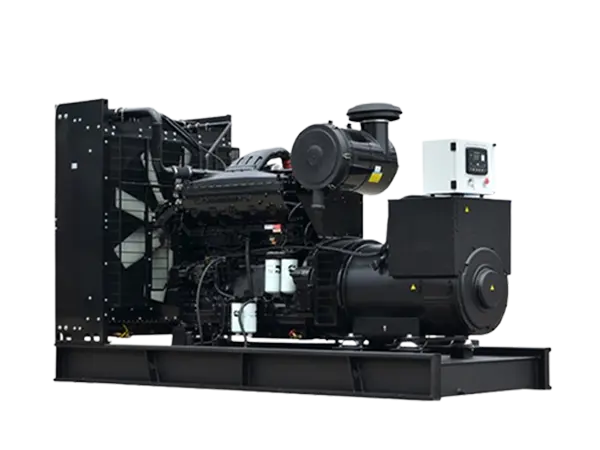 Diesel Generator Sets with Cummins Engines, XHZC Series
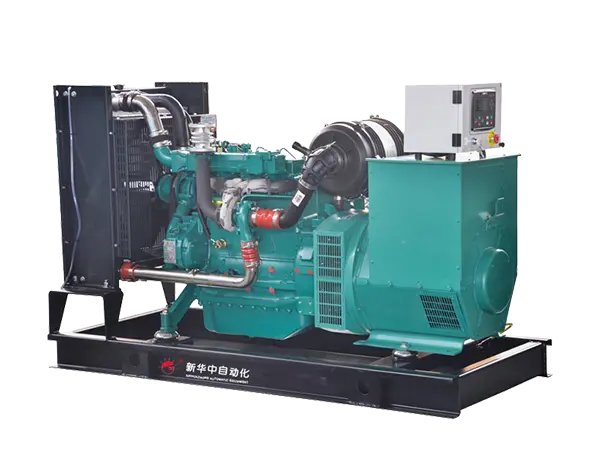 Weichai Series
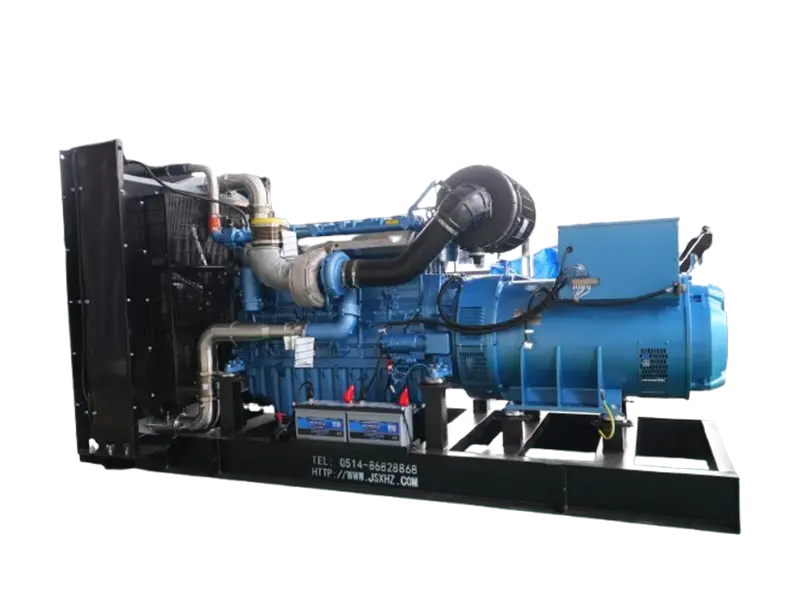 Diesel Generator Sets with WEICHAI Engines, XHZW Series
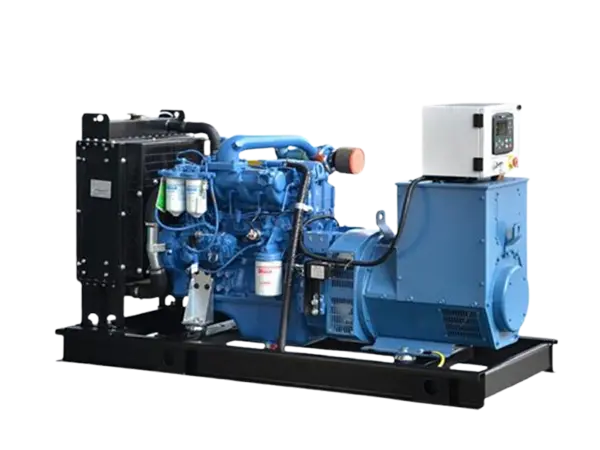 Yuchai Series
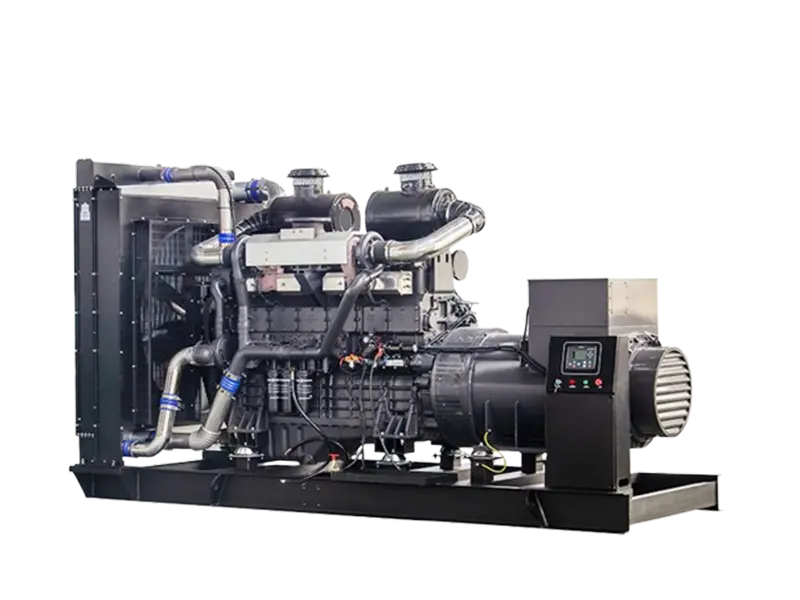 Diesel Generator Sets with SDEC(SHANGCHAI) Engines, XHZS Series
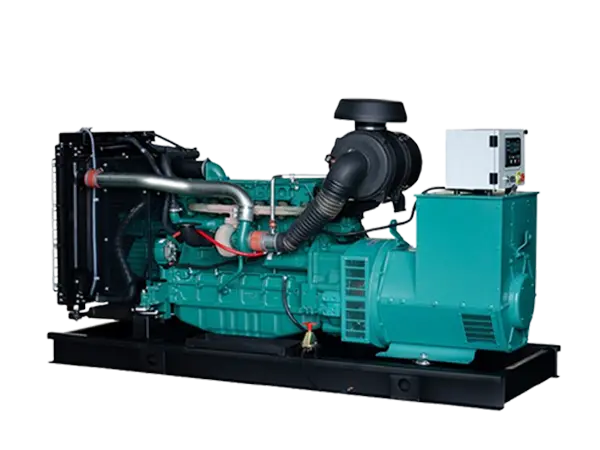 Volvo Series
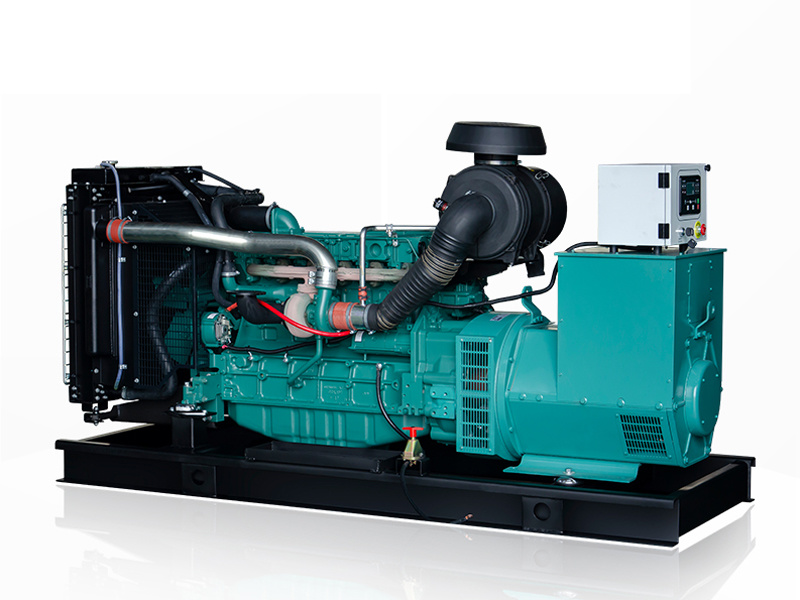 Diesel Generator Sets with VOLVO Engines, XHZV Series
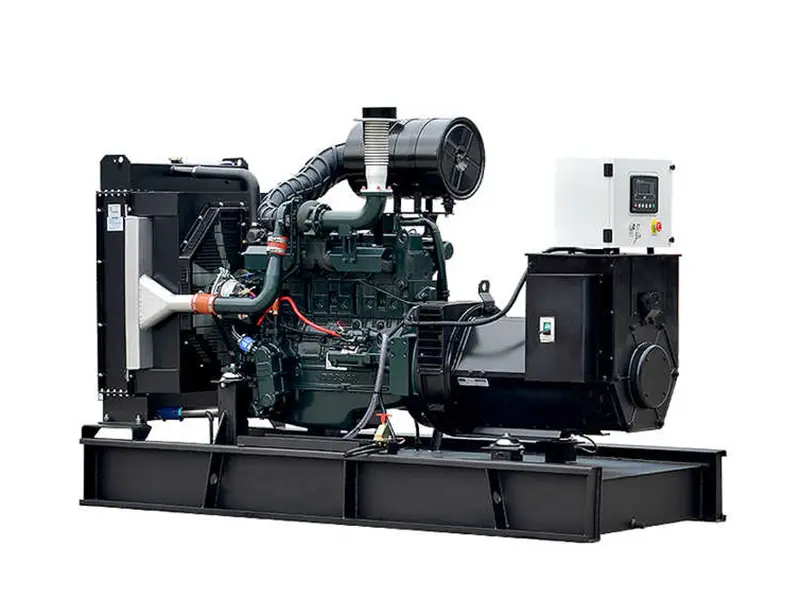 Diesel Generator Sets with Doosan Engines
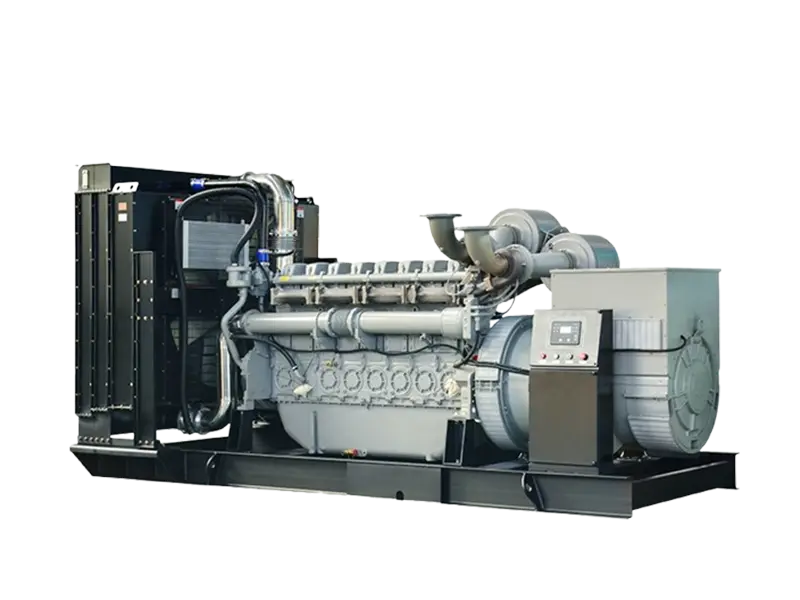 Diesel Generator Sets with Perkins Engines, XHZP Series
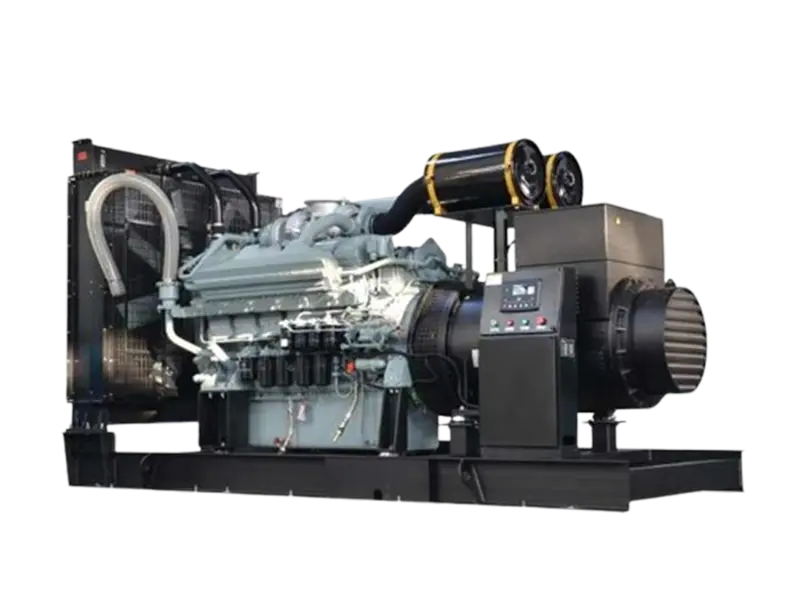 Diesel Generator Sets with Mitsubishi Engines
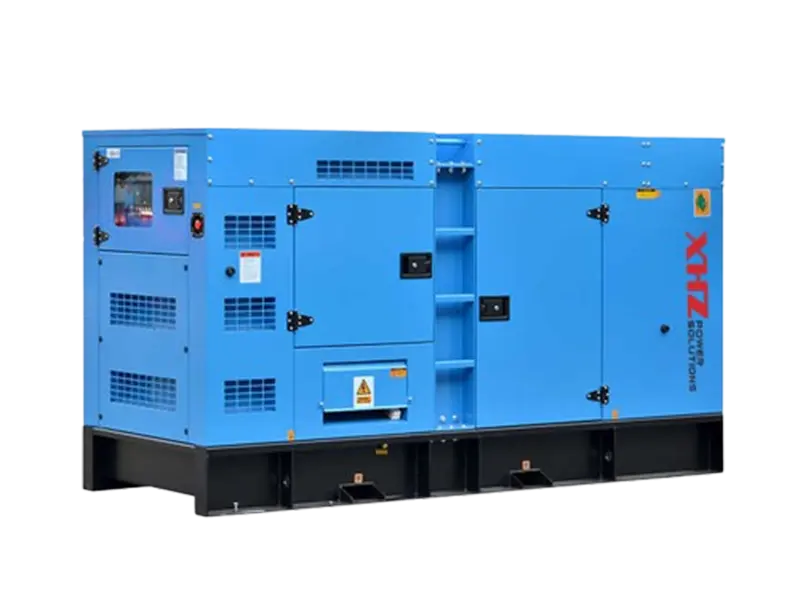 Silent Diesel Generators
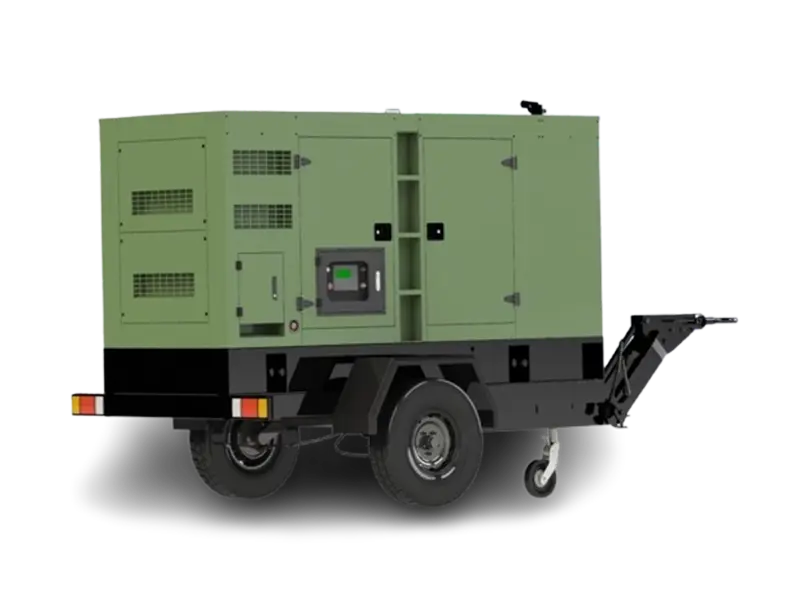 Mobile Silent Diesel Generators
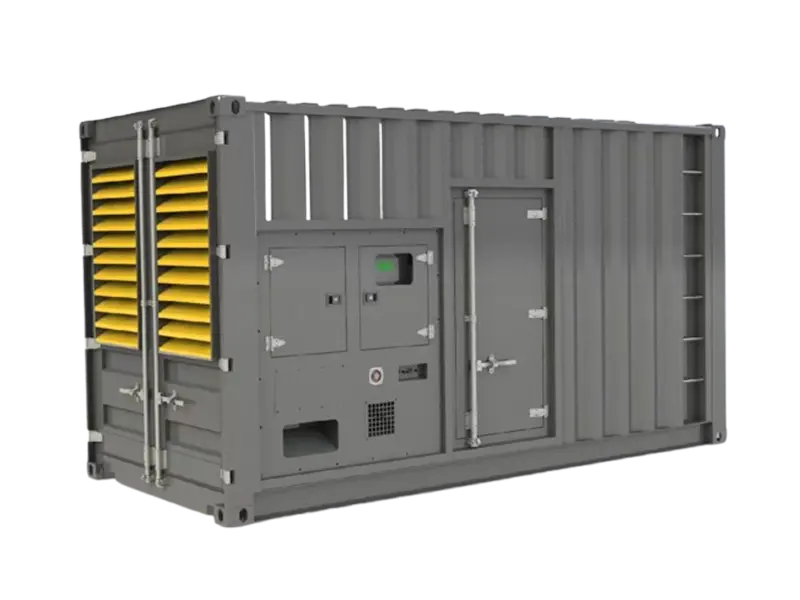 20/40HQ-Standard Container Type Generators