2026 How to Choose the Best Power System Generator?
In today's world, reliable power is essential for both home and business use. A Power System Generator offers a solution to meet this need. However, not all generators are created equal. Choosing the right one can feel overwhelming. Factors such as fuel type, capacity, and portability are key.
Many buyers overlook important details. They may focus solely on price or brand reputation, ignoring crucial specifications. Inadequate research can lead to poor choices. It’s vital to consider your specific power needs. Think about what devices will be powered. Evaluate how often the generator will be used. Each usage scenario impacts your selection.
Investing in a Power System Generator should not be taken lightly. The right generator can ensure safety and efficiency. In contrast, a poor choice can lead to inconvenience or even danger. Therefore, understanding the options available is crucial for making an informed decision. Do your homework. A well-informed choice will pay off in the long run.
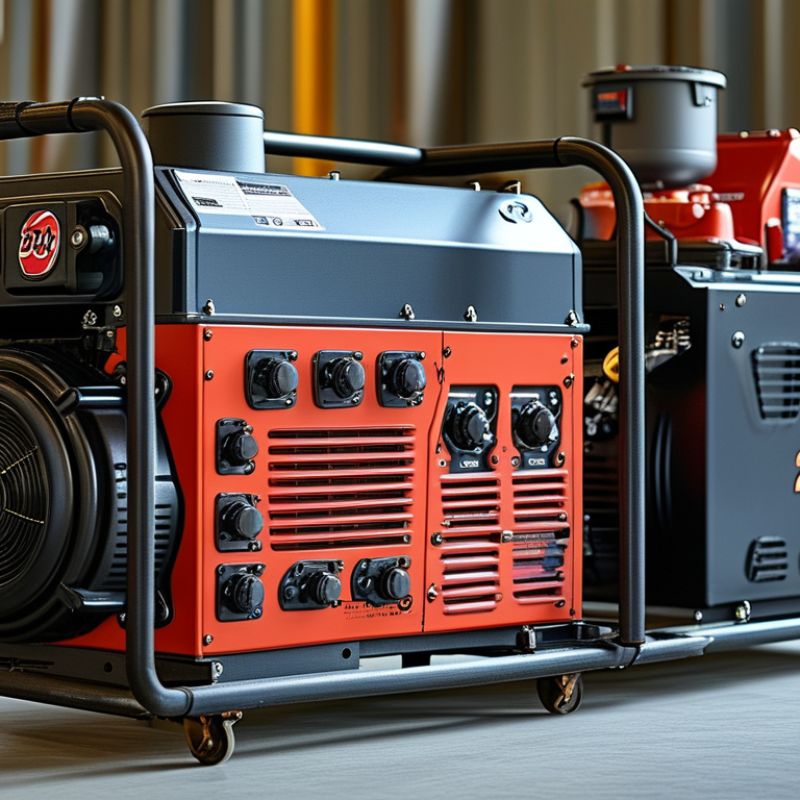
Understanding Power System Generators: An Overview
When selecting a power system generator, understanding the key components is crucial. Power generators serve as vital backup systems during outages. According to the U.S. Energy Information Administration, the demand for reliable power sources has risen by 30% over the last decade. This trend indicates a need for efficient and responsive solutions in energy management.
Power generators can be categorized into several types, including portable, standby, and inverter generators. Portable generators are versatile and user-friendly, often used for camping and outdoor events. Standby generators are permanently installed, automatically activating when the power goes out. Inverter generators, on the other hand, provide clean energy suitable for sensitive electronics. Each type has distinct applications and efficiency ratings. For example, standby generators often operate between 7,000 to 50,000 watts, making them ideal for home or business use.
Choosing the right generator depends on individual needs, budget, and location. Market reports indicate that over 60% of consumers prioritize fuel efficiency and noise level when making their decision. However, affordability often means compromising on these aspects. While it is essential to seek a reliable power source, evaluating long-term costs, maintenance, and environmental impact should also be considered. Balancing these factors is crucial in making an informed purchase.
Key Factors to Consider When Choosing a Generator
Choosing a generator requires careful thought. There are key factors to consider that can impact performance. Size and capacity are critical. Assess your power needs based on your appliances. A generator that is too small will struggle to keep up. Conversely, an oversized generator may waste fuel and lead to higher costs.
Fuel type is another essential factor. Generators can run on gasoline, propane, or diesel. Each fuel type has its pros and cons. For instance, gasoline is readily available but may not be stable over time. On the other hand, propane has a longer shelf life and is cleaner. Understand your environment and choose accordingly.
Noise levels can be overlooked but are significant. Some generators run quietly, while others can be loud and disruptive. If you live in a neighborhood, consider a quieter model. This can mitigate complaints from neighbors and ensure a peaceful environment. Reflect on your needs and preferences carefully before making a decision.
Comparing Different Types of Power Generators
When selecting the best power system generator, understanding different types is crucial. Portable generators, usually used for short-term needs, are favored by many for their flexibility. They can easily power tools during outdoor projects. According to the Electric Generators Industry Association, the portable generator market is projected to reach $5 billion by 2026, reflecting its growing popularity.
Another type is standby generators, ideal for homes in areas prone to outages. These systems connect directly to your home’s electrical supply. They automatically activate when the power goes out, providing peace of mind. The global market for standby generators is expected to grow at a CAGR of 6% from 2023 to 2030, driven by increasing energy demands.
In addition, inverter generators have gained attention for their efficiency and quiet operation. They produce cleaner power, which is safer for sensitive electronics. However, they might not provide sufficient power for all applications. Thus, weighing options between power output and fuel efficiency can be tricky. Potential buyers should consider their needs carefully before making a decision.
2026 How to Choose the Best Power System Generator? - Comparing Different Types of Power Generators
| Type of Generator |
Power Output |
Fuel Type |
Runtime (Hours) |
Portability |
Noise Level (dB) |
| Portable Generator |
2000-8000 Watts |
Gasoline |
8-12 Hours |
Highly Portable |
54-70 |
| Standby Generator |
7000-20000 Watts |
Natural Gas or Propane |
Unlimited (as long as fuel is available) |
Permanent Installation |
60-75 |
| Inverter Generator |
1000-3000 Watts |
Gasoline |
8-10 Hours |
Highly Portable |
50-60 |
| Solar Generator |
300-3000 Watts |
Solar Energy |
Variable (Depends on sun availability) |
Portable |
Silent |
| Diesel Generator |
5000-20000 Watts |
Diesel |
8-24 Hours |
Less Portable |
70-90 |
Assessing Your Power Needs and Budget
When selecting a power system generator, assessing your power needs is crucial. Begin by evaluating the total wattage required for your essential devices. The average household typically demands between 3,000 to 7,500 watts during outages. However, conducting a personalized load calculation ensures accuracy. This includes lights, HVAC systems, and refrigerated items. A detailed list helps to prevent costly mistakes.
Budget considerations play an equally vital role. The price of generators often fluctuates between a few hundred to several thousand dollars. A report by the U.S. Department of Energy highlights that homeowners should allocate around 5% of their property value for reliable energy solutions. It's important to weigh upfront costs against long-term savings. Some generators offer lower initial prices, but may consume more fuel over time, leading to higher operational costs.
Additionally, installation expenses must be factored in. Hiring licensed professionals ensures safety and compliance, which can add 20% to 30% to your initial purchase. Researching financing options, including green energy credits, can also drive down upfront costs. Balancing your power needs with a realistic budget is essential for making an informed decision. Careful planning today can enhance your resilience for tomorrow's power challenges.
Power System Generator Selection: Power Needs vs. Budget
This chart illustrates the estimated costs of power system generators based on different power needs and budget categories. It provides a clear comparison that can assist in making informed decisions when selecting the best generator for your situation.
Evaluating Generator Brands and Customer Reviews
When evaluating power system generators, customer reviews play a critical role. An industry survey revealed that 78% of consumers prioritize user experiences when selecting a generator.
Positive reviews often highlight reliability, ease of use, and fuel efficiency. However, no product is perfect. Negative feedback can offer insights into potential issues.
For instance, some users reported challenges with assembly or noise levels. These shortcomings are worth considering during your decision-making process.
Analyzing brand reputation is vital too. Research shows that established brands generally have higher customer satisfaction ratings.
A report from the Power Generation Association indicated that top-rated brands often exhibit consistency in quality and service.
Customers should pay attention to warranty offerings and after-sales support. A solid warranty can be a lifesaver if a generator fails shortly after purchase.
To make the best choice, it’s advisable to compare multiple customer reviews. Look for patterns in feedback. Does a certain feature receive consistent praise or criticism?
This approach can reveal the true strengths and weaknesses of various models. Therefore, take time to scrutinize user testimonials.
Make sure the feedback aligns with your specific needs and expectations.

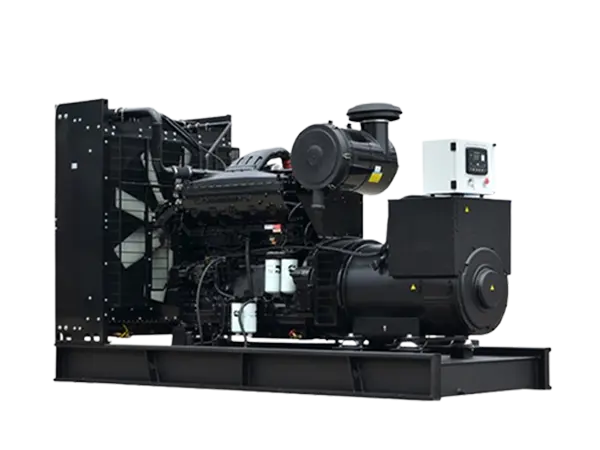 Diesel Generator Sets with Cummins Engines, XHZC Series
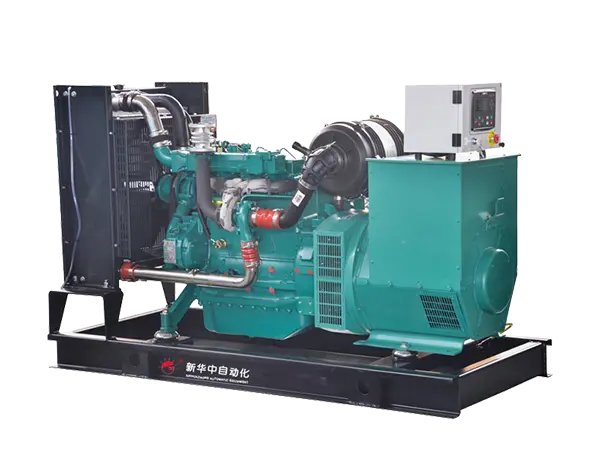 Weichai Series
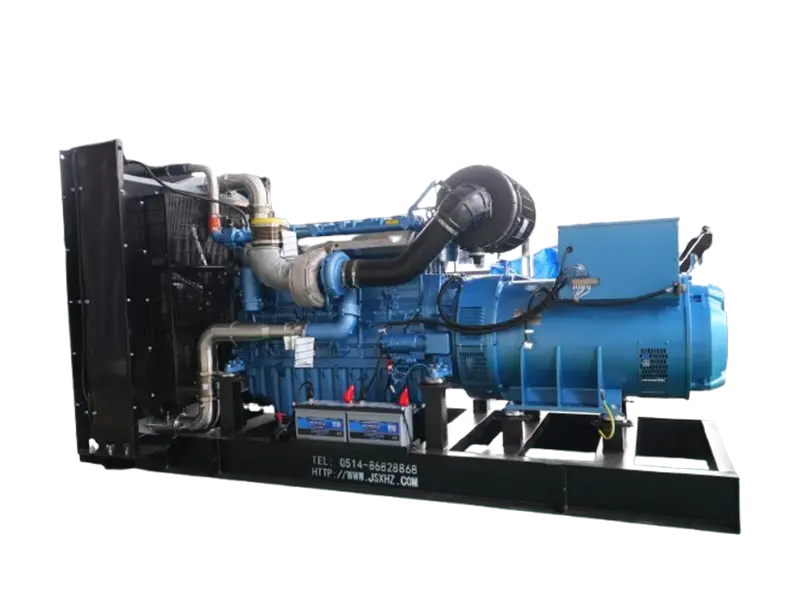 Diesel Generator Sets with WEICHAI Engines, XHZW Series
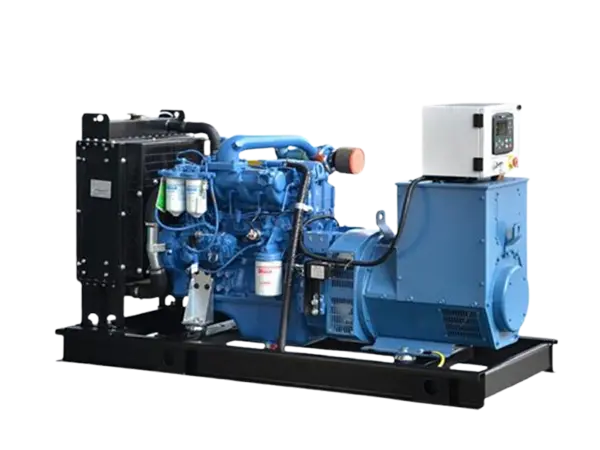 Yuchai Series
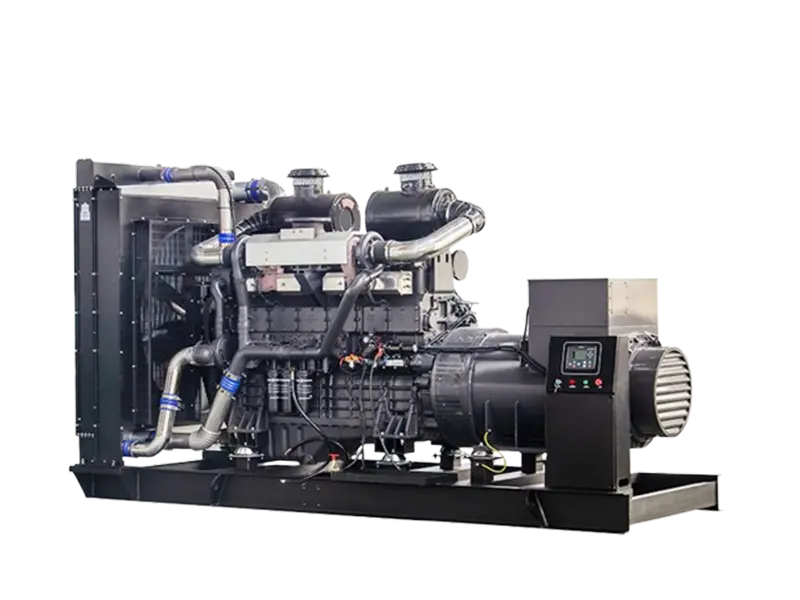 Diesel Generator Sets with SDEC(SHANGCHAI) Engines, XHZS Series
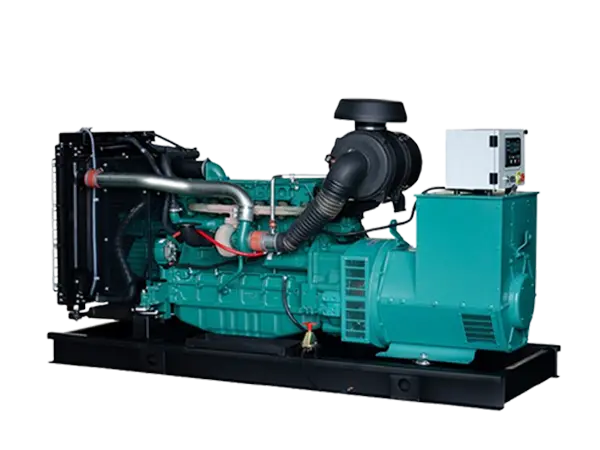 Volvo Series
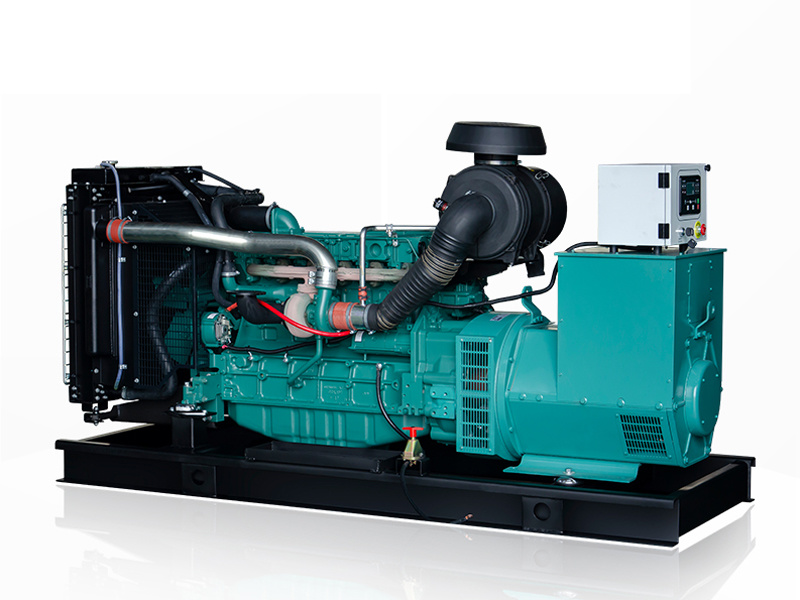 Diesel Generator Sets with VOLVO Engines, XHZV Series
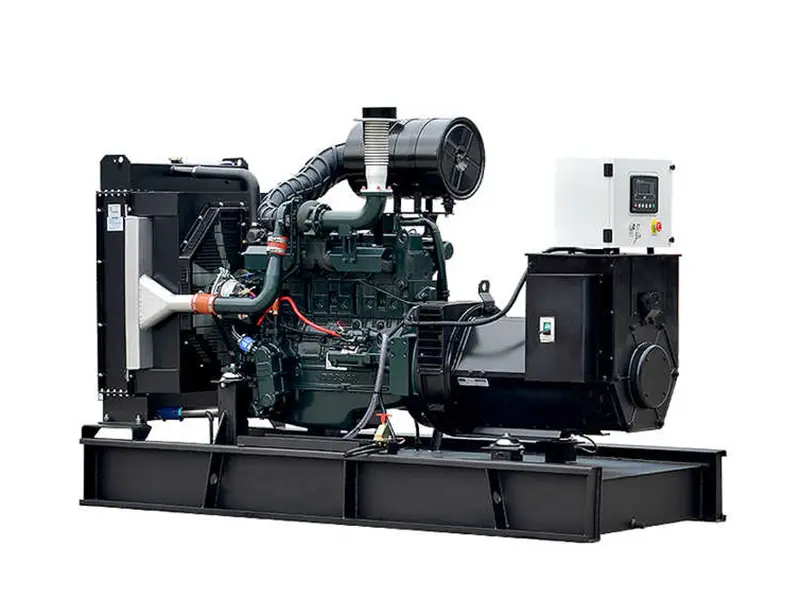 Diesel Generator Sets with Doosan Engines
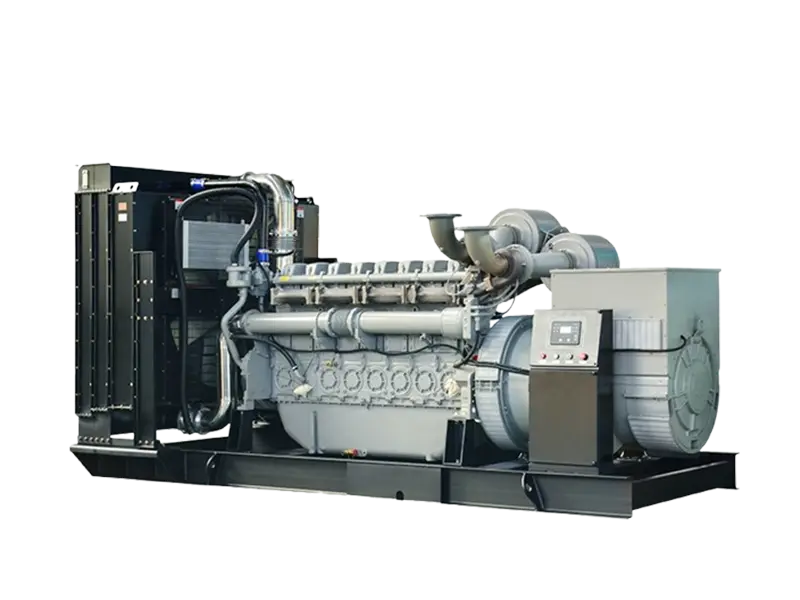 Diesel Generator Sets with Perkins Engines, XHZP Series
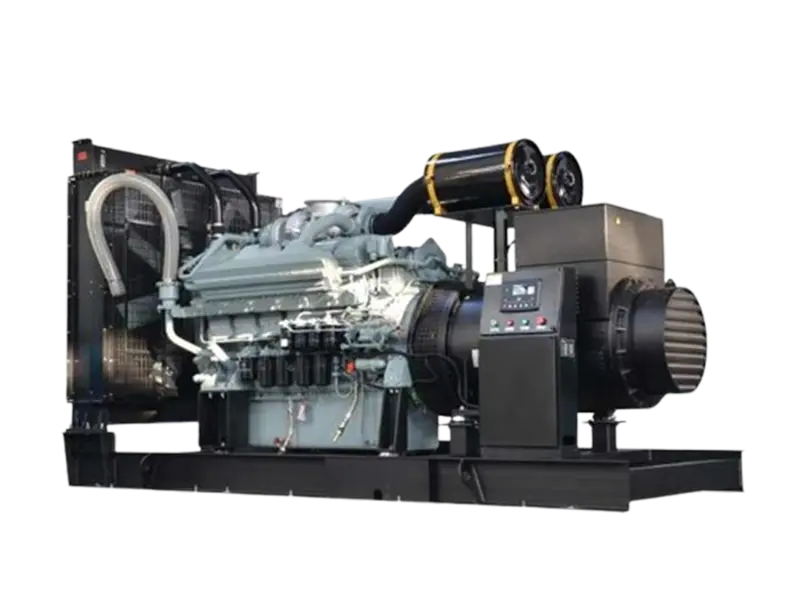 Diesel Generator Sets with Mitsubishi Engines
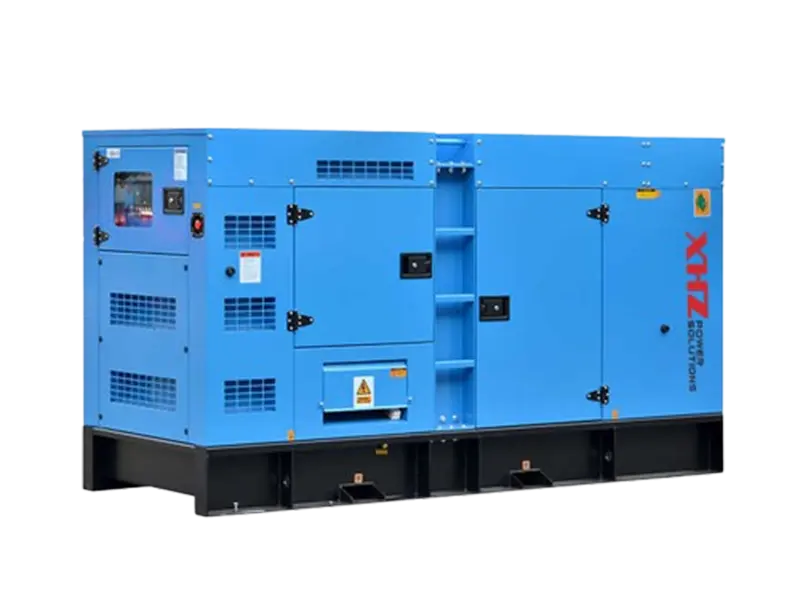 Silent Diesel Generators
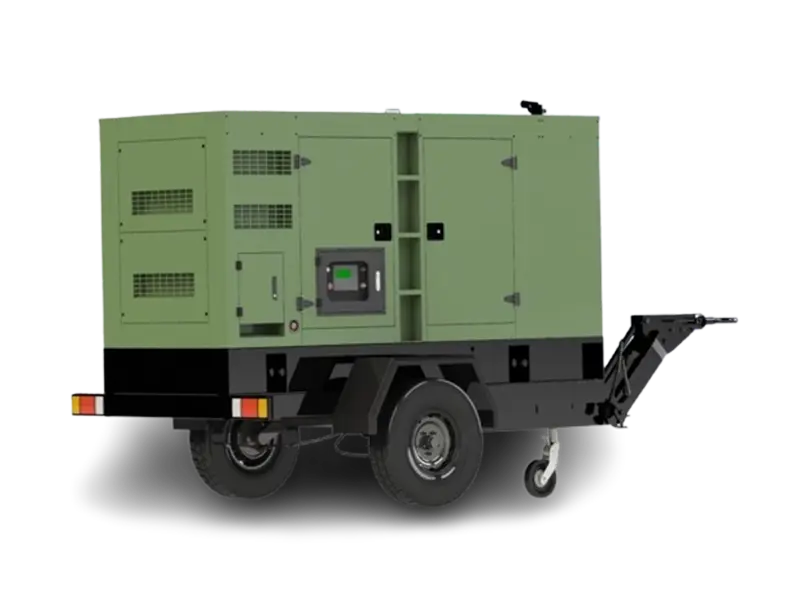 Mobile Silent Diesel Generators
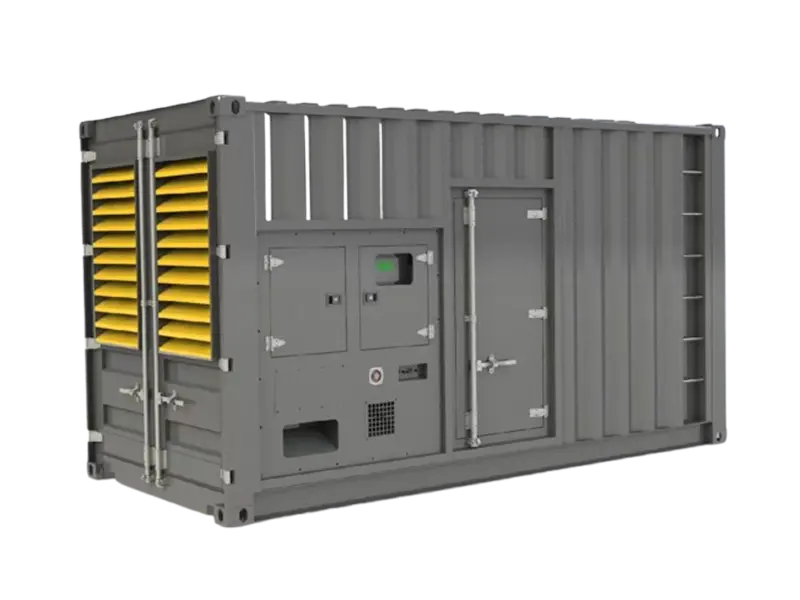 20/40HQ-Standard Container Type Generators