How to Choose the Right 50 Kw Generator for Your Needs?
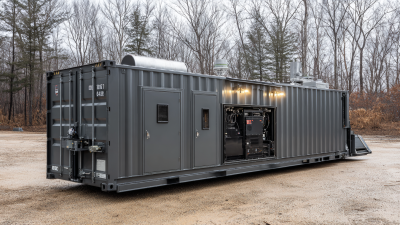
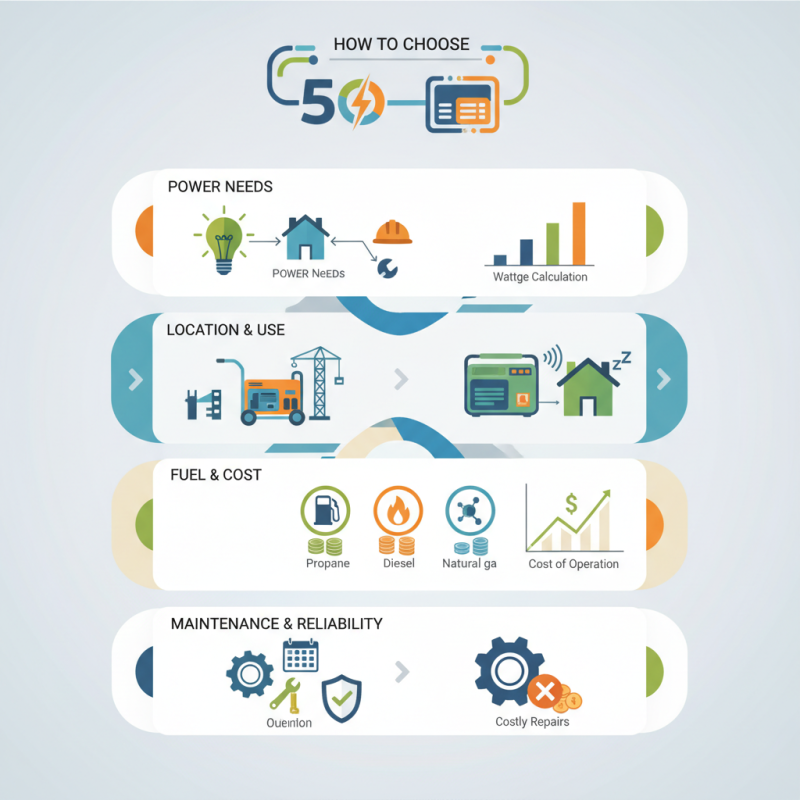
Choosing the right Generator 50 Kw for your specific needs can be challenging. This process involves understanding your power requirements, usage patterns, and the environment. You might consider where you'll use this generator. For construction sites, mobility might be key. For home backup, quiet operation is essential.
It's important to assess your power needs accurately. What appliances or equipment will you run? Calculate the wattage for each item, adding a buffer for safety. Sometimes, users underestimate their requirements, leading to inadequate power supply. This can cause frustration and inefficiency.
Moreover, the generator's fuel type is crucial. Diesel, propane, or natural gas all have pros and cons. The cost of operation varies too. Carefully think about the generator's maintenance needs. Regular servicing is necessary for reliability. Overlooking this can lead to costly repairs down the line. Understanding these details ensures you choose the best Generator 50 Kw for your situation.
Understanding Your Power Requirements for a 50 Kw Generator
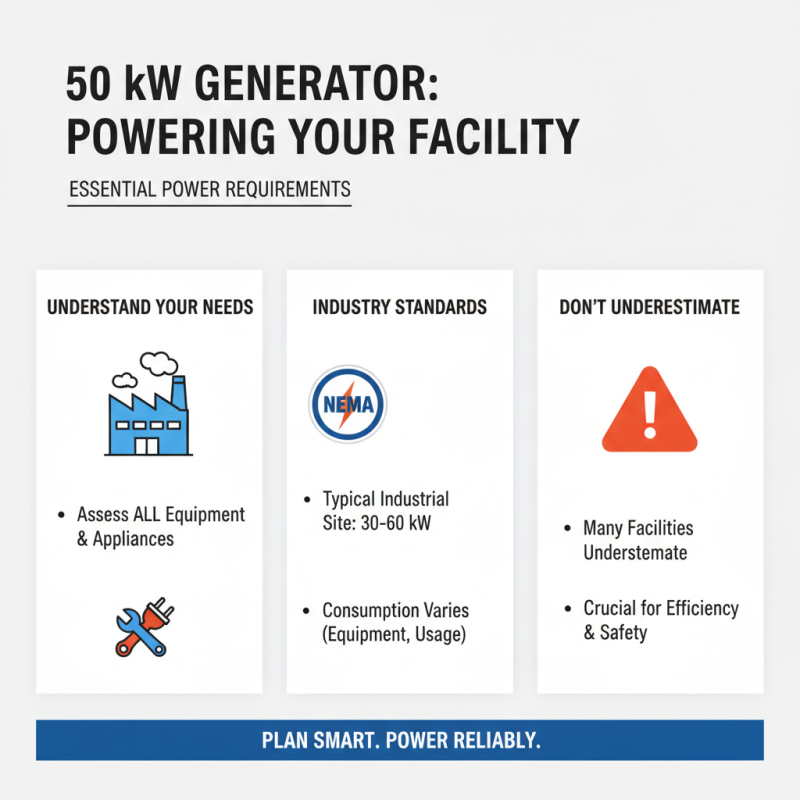
When considering a 50 kW generator, understanding your power requirements is crucial. Many facilities underestimate their consumption needs. According to the National Electrical Manufacturers Association (NEMA), a typical industrial site may require between 30-60 kW, depending on equipment and usage. It's vital to assess every tool and appliance in your space.
Power requirements vary widely. For instance, a standard piece of industrial equipment can use 3-5 kW while HVAC systems often consume 10 kW or more. A miscalculation can lead to insufficient power or wasted resources. Many users find themselves in a bind when their generator fails to meet demand. Assessing peak loads is key. This often requires detailed planning and sometimes, expert advice.
Another overlooked aspect is future needs. Businesses grow, and so do their energy requirements. Industry reports suggest that energy demands can increase by 10% annually. Therefore, it is wise to plan for future usage. A generator that seems sufficient today may not suffice tomorrow. Consider ease of maintenance too; a reliable unit is only as good as its upkeep.
Types of 50 Kw Generators: Diesel, Gas, and Hybrid Options
When selecting a 50 kW generator, understanding the types available is crucial. The main options are diesel, gas, and hybrid generators. Each type has unique features that cater to different needs.
Diesel generators are known for their longevity and fuel efficiency. They typically last longer than gas units, often exceeding 10,000 hours of operation. However, they come with higher initial costs and may require more maintenance.
Gas generators are generally lighter and quieter. They can be started quickly, making them suitable for emergency situations. According to industry reports, gas generators are often preferred for residential and lightweight commercial use. However, their run time is shorter, which may be a limitation for some users.
Hybrid generators merge both technologies, offering versatility and flexibility in fuel choice. This option is appealing for those looking to minimize emissions.
Choosing wisely can feel overwhelming. Fuel availability and local regulations must be considered. With rising energy costs, many are looking for more sustainable solutions, yet this shift often requires a higher upfront investment. Reflecting on your specific needs will lead to a more tailored choice, ultimately enhancing operational efficiency.
Key Features to Consider When Selecting a Generator
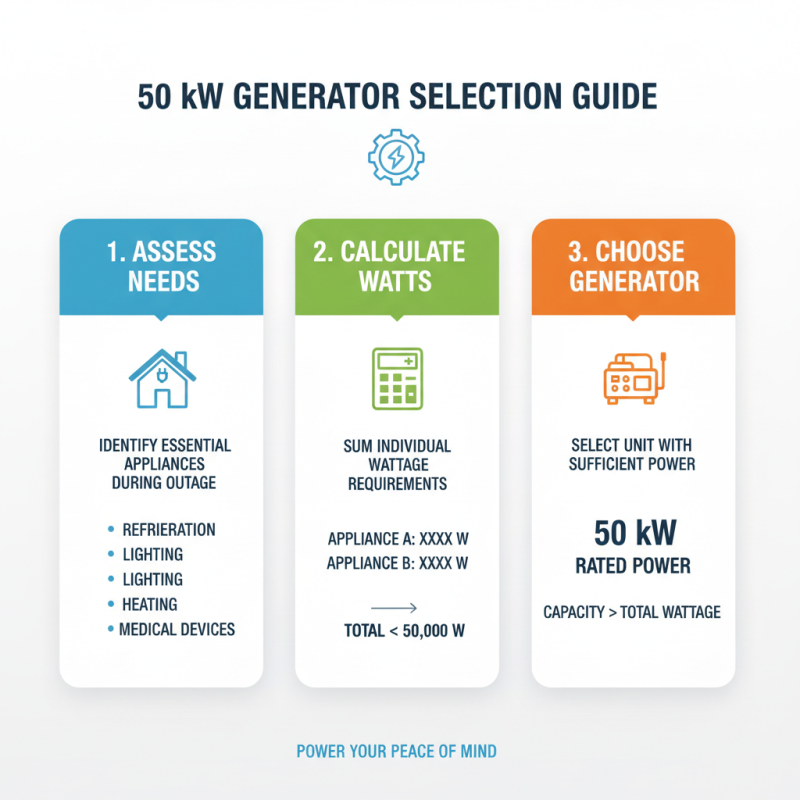
When selecting a 50 kW generator, consider the power requirements of your appliances. Think about which devices you need during an outage. You may need refrigeration, lighting, and heating. Each of these has specific wattage needs. It's essential to add up these figures before making a choice.
Another critical aspect is fuel type. Generators can run on diesel, gasoline, or propane. Each comes with advantages and drawbacks. Diesel generators are typically more efficient. Gasoline models are more accessible but may require more frequent refueling. Propane offers cleaner emissions. Balancing efficiency and availability is vital.
Noise level is also significant. Some generators can be quite loud. This could be a problem in residential areas. Consider sound ratings, especially if noise is a concern. You might struggle with noise complaints if not taken into account. Additionally, ensure ease of maintenance. A complex generator could lead to unforeseen issues later. Reflect on your long-term needs before making a decision.
Assessing Noise Levels and Portability of Your Generator
When choosing a 50 kW generator, noise levels and portability are crucial factors. These aspects greatly influence user experience. Noise levels are measured in decibels (dB). A generator operating at 60 dB is comparable to normal conversation. However, some could reach 75 dB, producing significant noise. Reports suggest that noise above 70 dB can disturb neighbors and your own tranquility.
Tip: Look for generators with noise-reduction technology. Models featuring quieter engines are more desirable for residential use. Portable generators generally weigh around 500 to 1,000 pounds. Heavier units are often harder to transport. The generator's design should allow for easy movement. Some models come with wheels or built-in handles to assist with this.
Portability is about more than just weight. It includes ease of setup. A generator should be ready for use in little time. Complicated assembly can lead to frustration. Users seeking versatile models might opt for units with integrated fuel tanks. This can enhance portability by reducing the need for multiple fuel trips.
Tip: Consider your specific needs. If frequent relocation is necessary, a lighter model may be best. However, a heavier unit might provide better durability and performance. Balancing these factors requires careful thought.
Maintenance and Fuel Efficiency Factors for Long-Term Use
When selecting a 50 kW generator, understanding maintenance and fuel efficiency is key. Regular upkeep ensures longevity. Keeping your generator clean and well-oiled prevents many potential issues. Check the oil level monthly. Change filters as needed to maintain airflow.
Fuel efficiency matters for ongoing costs. Choose high-quality fuel to run your generator. This can enhance performance and reduce emissions. Using a generator for just a few hours can increase fuel consumption. Monitor the use carefully, especially during peak loads.
Tips: Always run the generator in a well-ventilated area. Heat build-up can lead to malfunctions. Keep a maintenance log for tracking repairs and replacements. It might be a hassle initially, but it saves time and money later. Remember, a well-maintained unit can offer reliable service for years.
How to Choose the Right 50 Kw Generator for Your Needs? - Maintenance and Fuel Efficiency Factors for Long-Term Use
| Feature |
Importance |
Options Available |
Estimated Fuel Efficiency (L/h) |
Maintenance Frequency (Months) |
| Type of Fuel |
High |
Diesel, Gasoline, Propane |
3 - 4 |
6 |
| Noise Level |
Medium |
Silent Operation, Standard |
3 - 5 |
12 |
| Portability |
High |
Stationary, Portable |
Varies |
24 |
| Warranty Period |
High |
1 Year, 2 Year, 5 Year |
N/A |
N/A |
| Control System |
Medium |
Manual, Automatic |
3 - 4 |
6 |

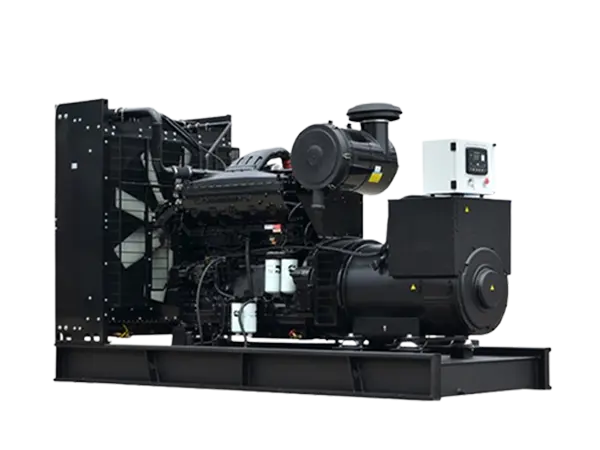 Diesel Generator Sets with Cummins Engines, XHZC Series
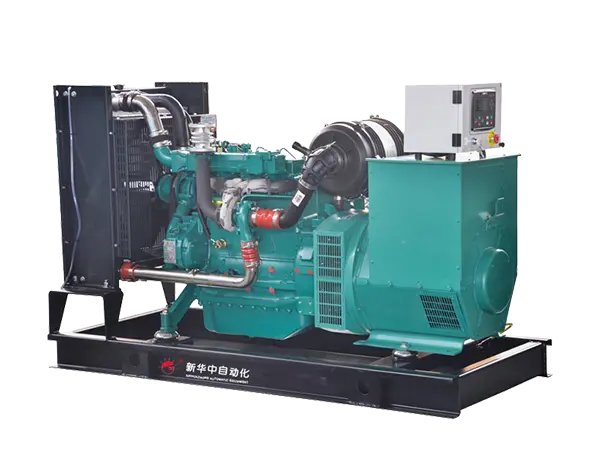 Weichai Series
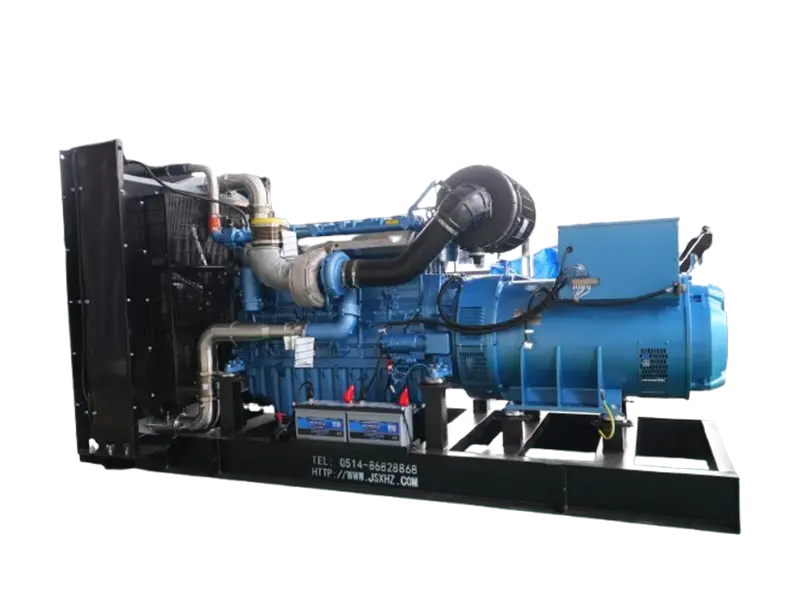 Diesel Generator Sets with WEICHAI Engines, XHZW Series
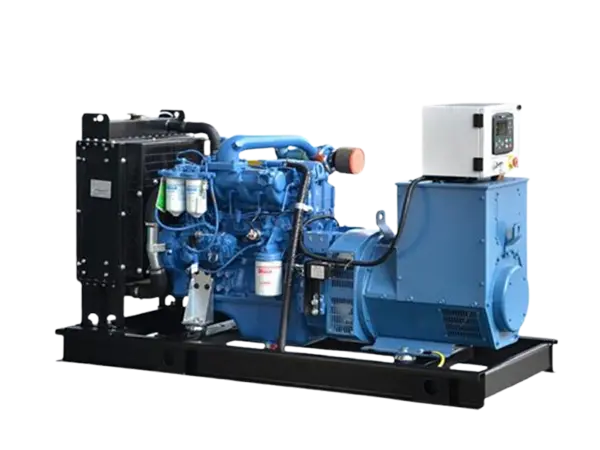 Yuchai Series
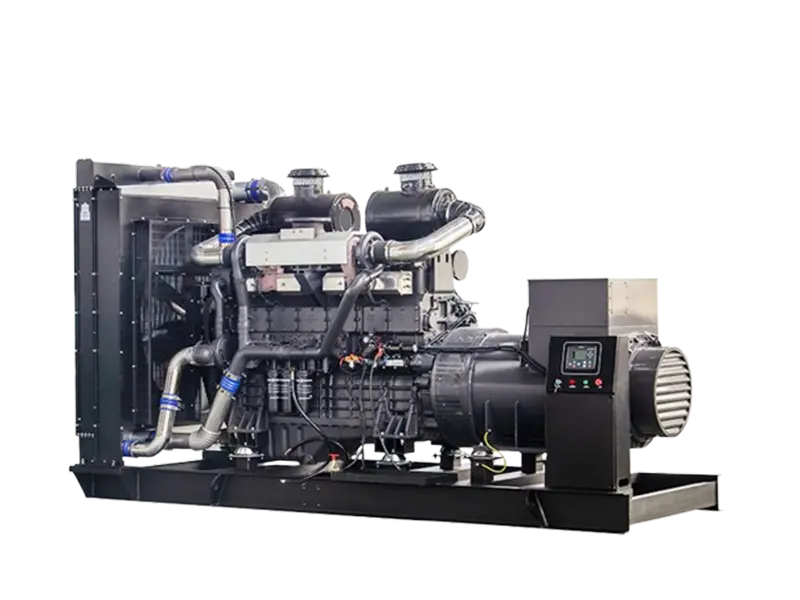 Diesel Generator Sets with SDEC(SHANGCHAI) Engines, XHZS Series
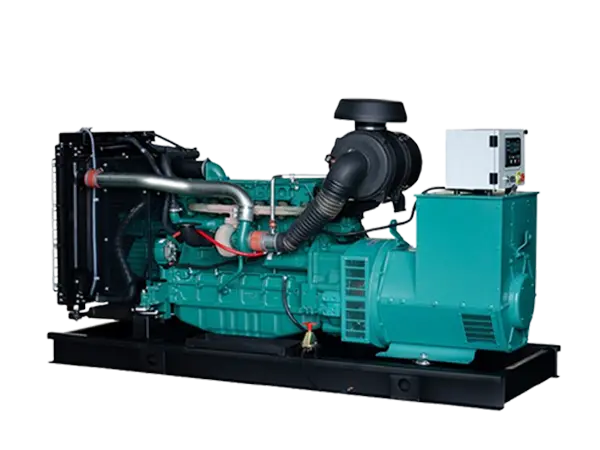 Volvo Series
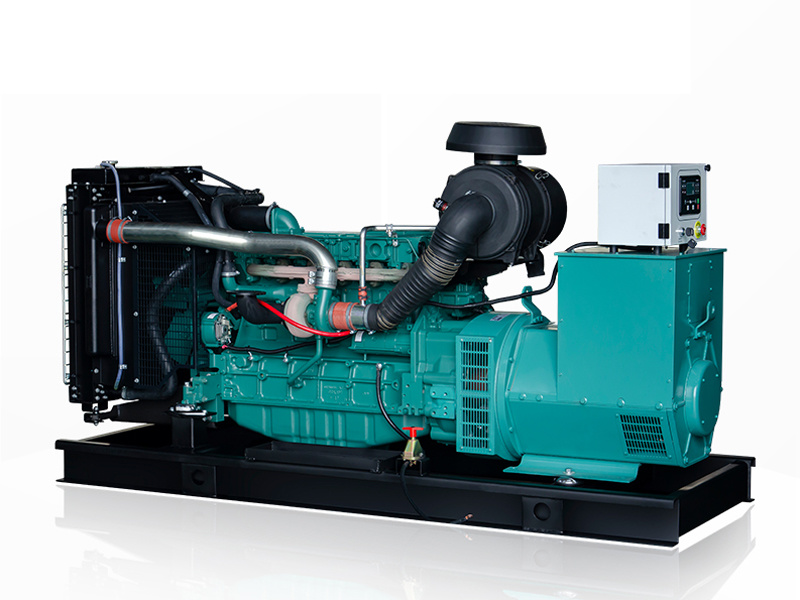 Diesel Generator Sets with VOLVO Engines, XHZV Series
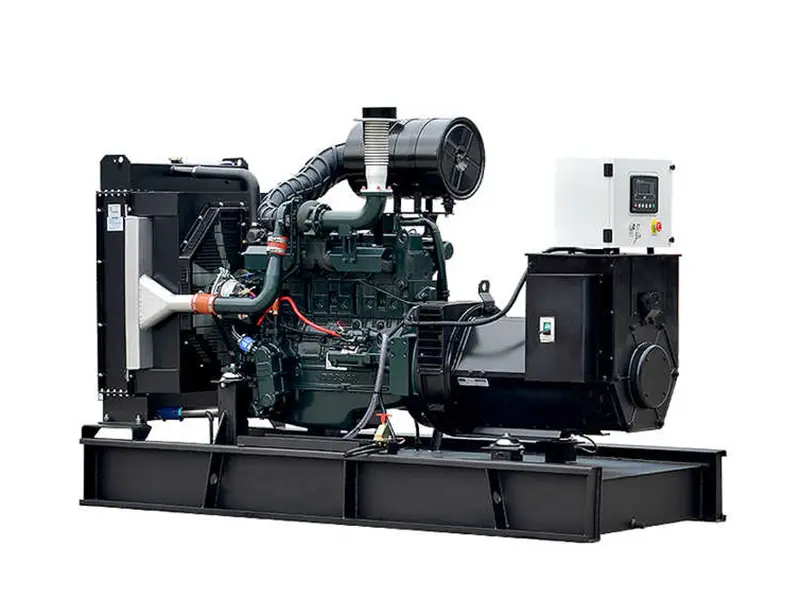 Diesel Generator Sets with Doosan Engines
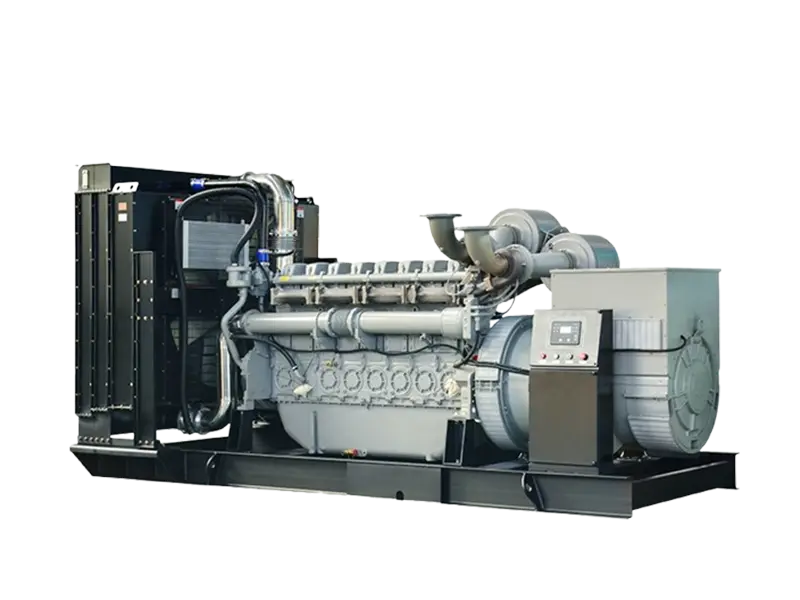 Diesel Generator Sets with Perkins Engines, XHZP Series
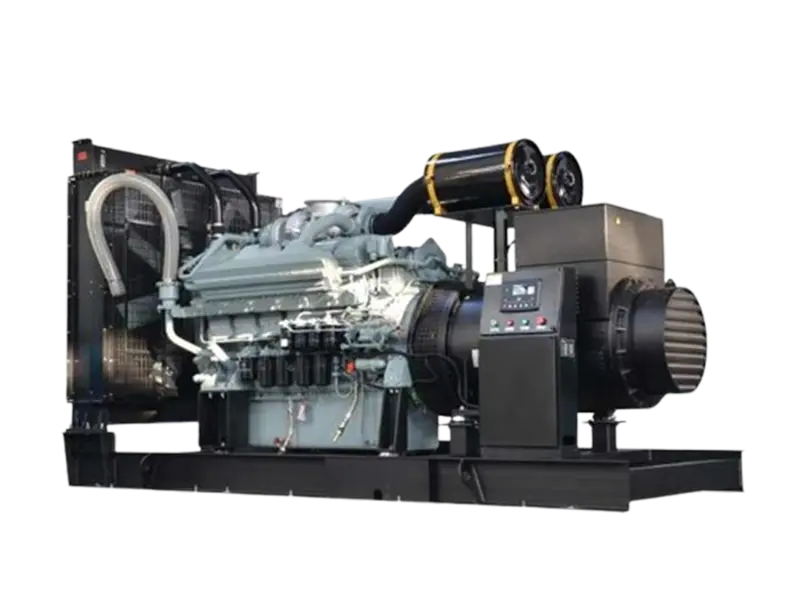 Diesel Generator Sets with Mitsubishi Engines
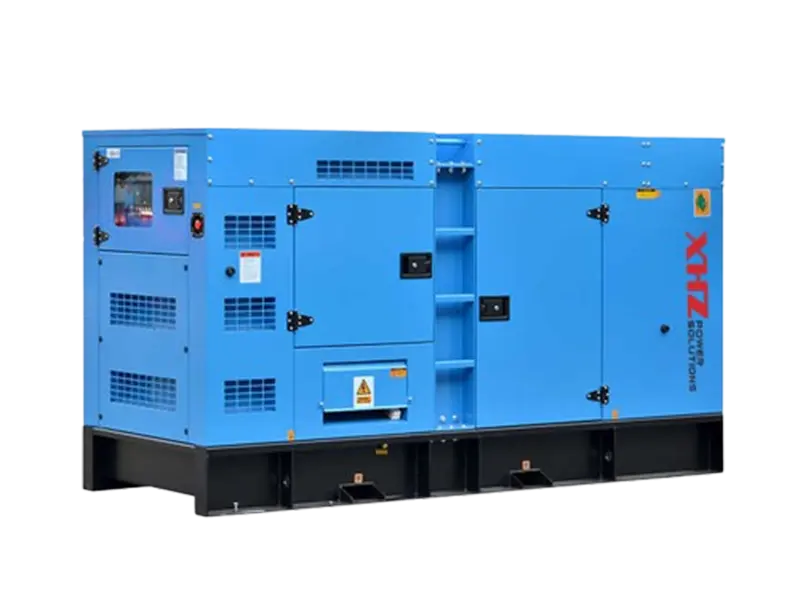 Silent Diesel Generators
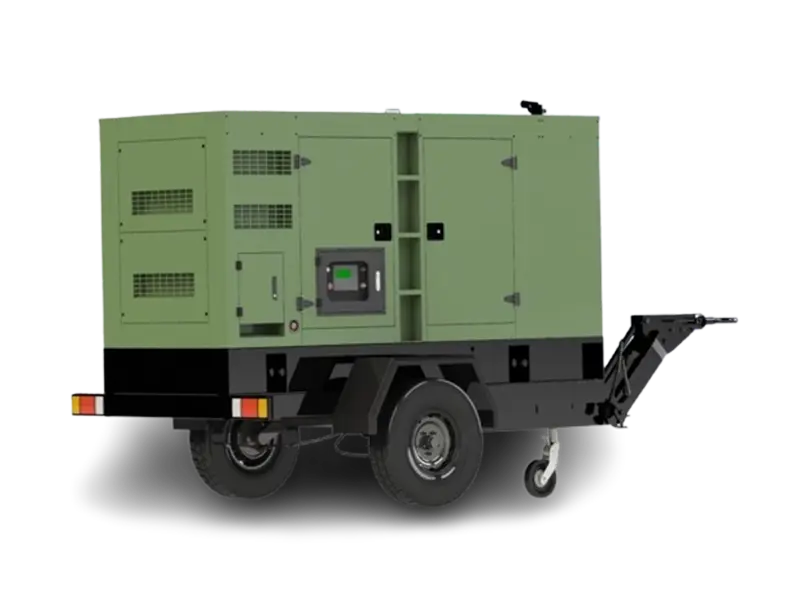 Mobile Silent Diesel Generators
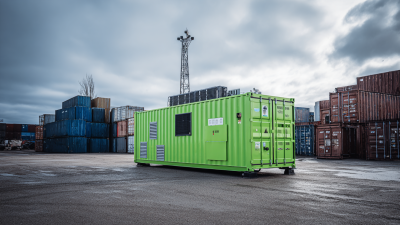
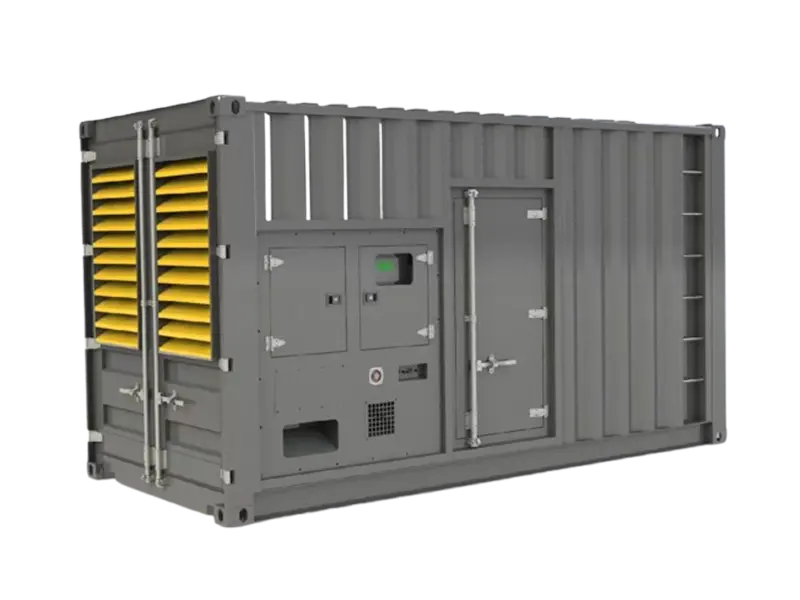 20/40HQ-Standard Container Type Generators