Essential Guide to Choosing the Right Standby Diesel Generator for Your Home and Business
In today's increasingly unpredictable energy landscape, the importance of having a reliable power source cannot be overstated. According to a recent report by Grand View Research, the global diesel generator market is expected to reach USD 23.5 billion by 2025, driven by a significant rise in demand for uninterrupted power supply across various sectors.
 For homeowners and businesses alike, choosing the right Standby Diesel Generator is crucial to ensuring operational continuity during electrical outages. These generators offer robust performance, durability, and efficiency, making them a preferred choice for both residential and commercial applications.
As power disruptions become more frequent, understanding the key factors in selecting the appropriate standby solution is essential for safeguarding your property and assets. This guide aims to provide valuable insights into the selection process, helping you make an informed decision that meets your unique energy needs.
For homeowners and businesses alike, choosing the right Standby Diesel Generator is crucial to ensuring operational continuity during electrical outages. These generators offer robust performance, durability, and efficiency, making them a preferred choice for both residential and commercial applications.
As power disruptions become more frequent, understanding the key factors in selecting the appropriate standby solution is essential for safeguarding your property and assets. This guide aims to provide valuable insights into the selection process, helping you make an informed decision that meets your unique energy needs.
Understanding Your Power Needs for Standby Generators
When choosing a standby diesel generator for your home or business, understanding your power needs is crucial. Begin by assessing the essential appliances and systems you need to power during an outage. Calculate the wattage requirements for these devices—this will be the foundation of your generator selection process. Various online calculators and expert guides can assist in determining the correct size generator that meets both your backup power and off-grid adventure needs.
Tips: Always consider the fuel source options available to you. Diesel generators are known for their efficiency and power output but also evaluate how easily you can obtain fuel during emergencies. Additionally, runtime is an essential factor—ensure that the generator can sustain power long enough to cover most outages in your area.
When evaluating your options, take note of noise levels as well, especially if you live in a residential neighborhood. Choosing a model that balances power generation with reduced noise pollution can significantly enhance your comfort and community relations during power interruptions. Keep these factors in mind to ensure that you select the right standby generator that meets your comprehensive power needs.

Types of Diesel Generators: Choosing the Right One
When it comes to selecting a diesel generator for your home or business, understanding the different types available is crucial. Diesel generators are categorized mainly into portable and stationary models. Portable generators are ideal for temporary power needs during emergencies or outdoor activities, while stationary generators are best suited for continuous use, offering greater power capacity and reliability for businesses or large homes.
Tips: Consider your power requirements carefully. Make a list of the appliances and systems that will need backup power, and check the total wattage. This helps in determining the size of the generator that best suits your needs.
Another significant factor to consider is the fuel efficiency of the generator. Diesel generators tend to be more fuel-efficient than gasoline models, which can result in lower operational costs in the long run. Look for models that offer advanced fuel management systems or have eco-friendly features to maximize savings.
Tips: Always opt for a generator with a good warranty and reliable customer support. This ensures that in case of any issues, you can receive help promptly, safeguarding your investment.
Key Features to Look for in a Diesel Generator
When selecting a standby diesel generator for your home or business, certain key features should be prioritized to ensure reliability and efficiency. First and foremost, look for the generator's power output, which is usually measured in kilowatts (kW). According to the U.S. Department of Energy, residential generators typically range from 5 kW to 20 kW, while commercial generators can go from 20 kW to several megawatts, depending on operational demands. Ensuring your generator can handle peak loads is crucial to avoid any interruptions during power outages.
Another vital feature to consider is fuel efficiency. Diesel generators are known for their longevity and lower fuel consumption compared to gasoline generators. A report from the Diesel Technology Forum revealed that diesel generators can offer fuel savings of up to 30% while delivering consistent power levels. Additionally, make sure the generator has a robust cooling system and soundproof enclosure, which not only prolongs the lifespan of the machine but also minimizes noise pollution—a key factor for residential areas.
Tips: When evaluating fuel efficiency, remember to check the generator's load factor and look for models with advanced fuel management systems. Also, consider the total harmonic distortion (THD) rating, as lower THD values indicate a cleaner power supply, essential for sensitive electronics. Lastly, invest in a generator with an automatic transfer switch (ATS) for seamless transition from grid to standby power during outages.
Fuel Efficiency and Maintenance Considerations
When choosing a standby diesel generator for your home or business, fuel efficiency and maintenance considerations play a crucial role in ensuring long-term performance and reliability. Diesel generators are known for their robust performance and lower fuel costs compared to gasoline generators. Therefore, analyzing the generator's fuel consumption rates is essential; look for models designed with advanced fuel-saving features that optimize usage and reduce environmental impact.

Maintenance is another vital aspect that cannot be overlooked. Regular servicing is required to keep your generator in optimal condition. This includes routine oil changes, fuel filter replacements, and checking the cooling system. Additionally, generators equipped with self-diagnostic features can simplify the maintenance process by alerting users to potential issues before they escalate. Adopting a proactive approach to maintenance not only extends the lifespan of your generator but also ensures that it operates efficiently when you need it most. By carefully considering fuel efficiency and maintenance requirements, you can make an informed decision that meets your energy needs effectively.
Budgeting for Your Standby Generator Investment
When considering a standby diesel generator for your home or business, budgeting is a crucial step that can significantly impact your investment. It's essential to evaluate not just the initial purchase price but also the total cost of ownership, which includes installation, maintenance, and fuel expenses. Many people overlook operational costs, which can fluctuate based on fuel prices and usage frequency. Thus, a thorough financial plan can prevent unforeseen expenses down the road.
**Tips:** Before you buy, establish a clear budget that outlines both your immediate and long-term expenses. Research different models and their efficiency ratings; sometimes, spending a little more upfront can yield significant savings in operating costs over time.
Additionally, consider financing options or warranties that can ease your financial burden. Many reputable suppliers offer flexible payment plans which can make it easier to manage your budget without sacrificing quality. Be sure to account for potential installation costs as well, as some generators require professional setup, adding to your overall expenditure.
Monthly Costs of Standby Diesel Generators

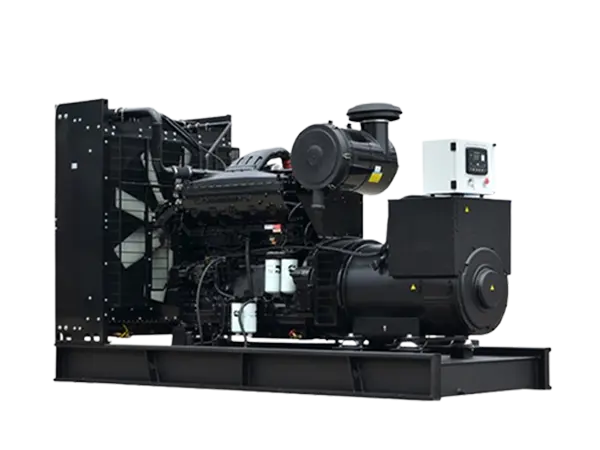 Diesel Generator Sets with Cummins Engines, XHZC Series
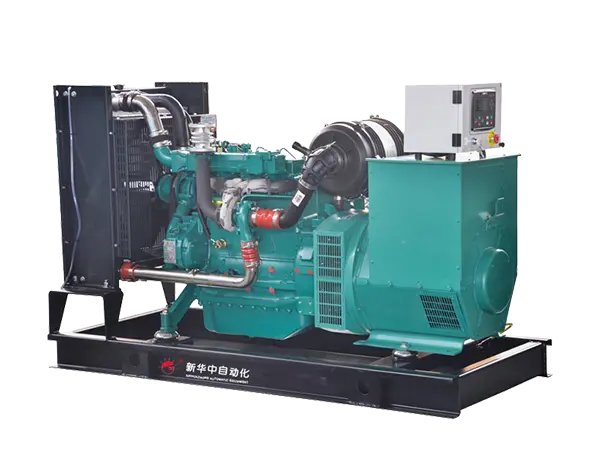 Weichai Series
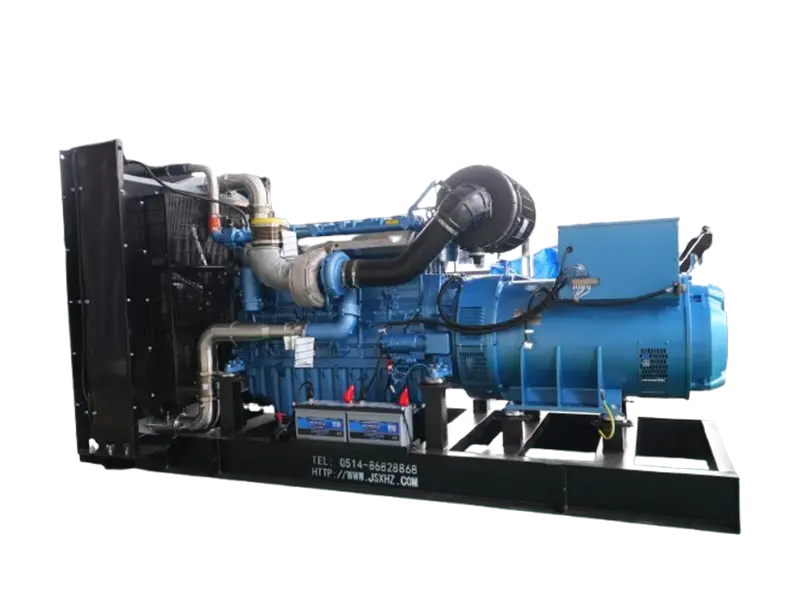 Diesel Generator Sets with WEICHAI Engines, XHZW Series
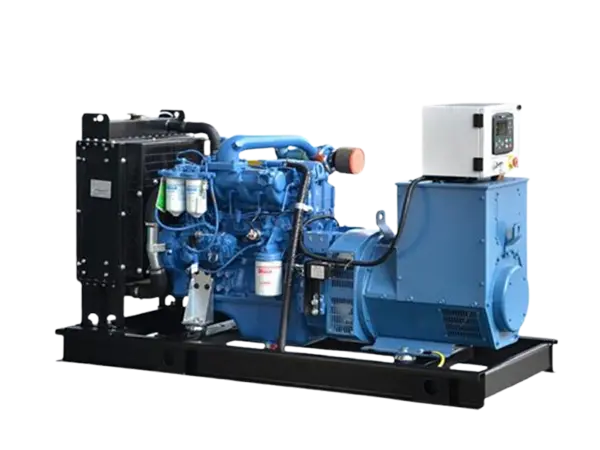 Yuchai Series
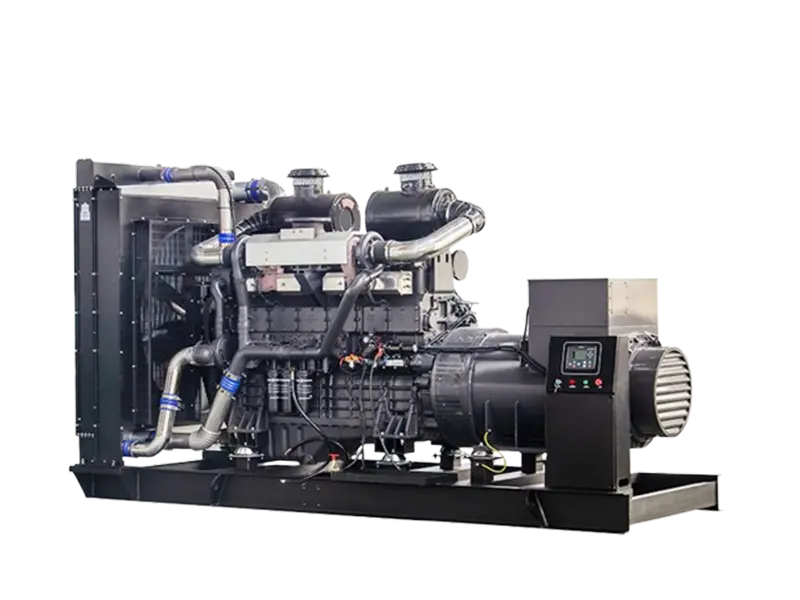 Diesel Generator Sets with SDEC(SHANGCHAI) Engines, XHZS Series
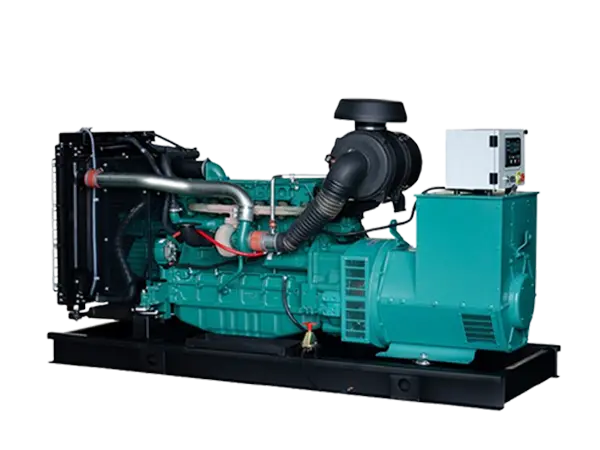 Volvo Series
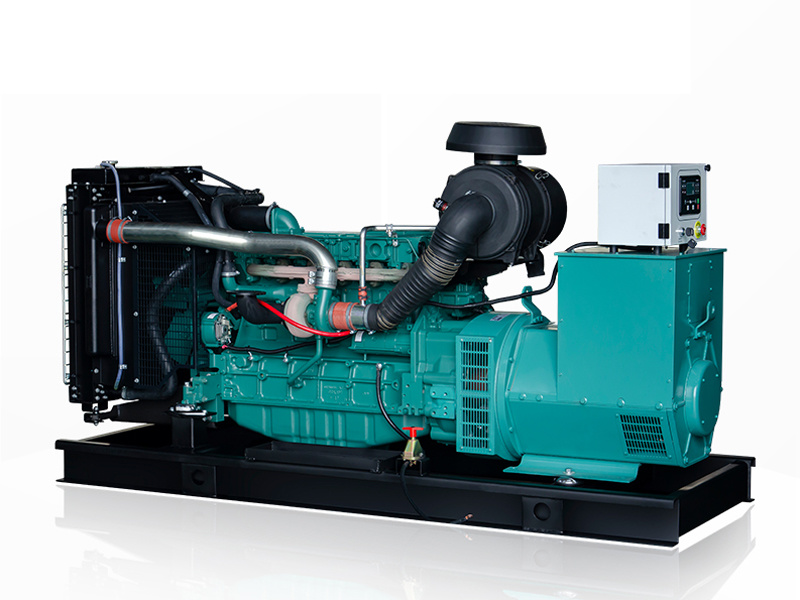 Diesel Generator Sets with VOLVO Engines, XHZV Series
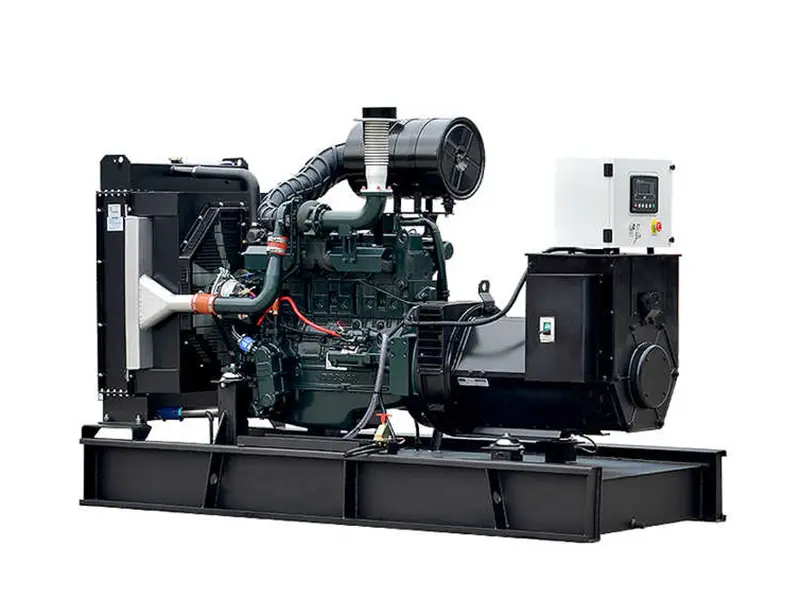 Diesel Generator Sets with Doosan Engines
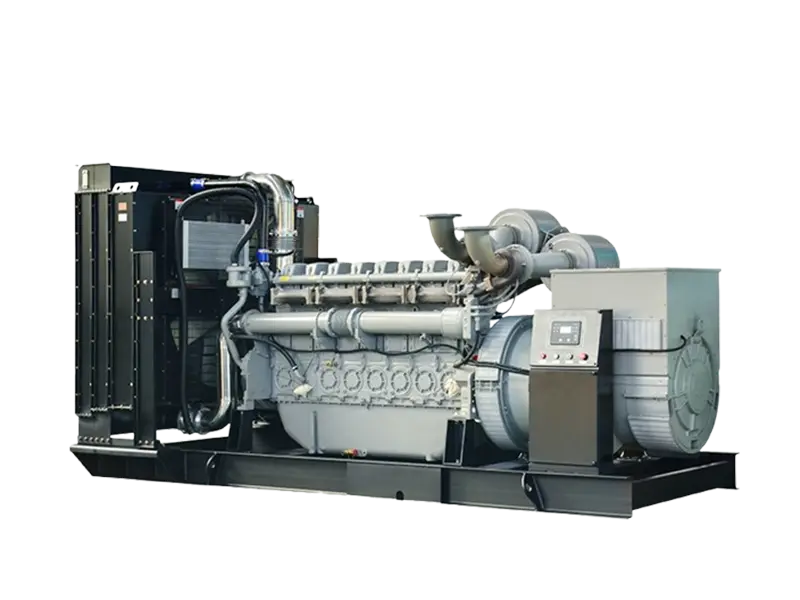 Diesel Generator Sets with Perkins Engines, XHZP Series
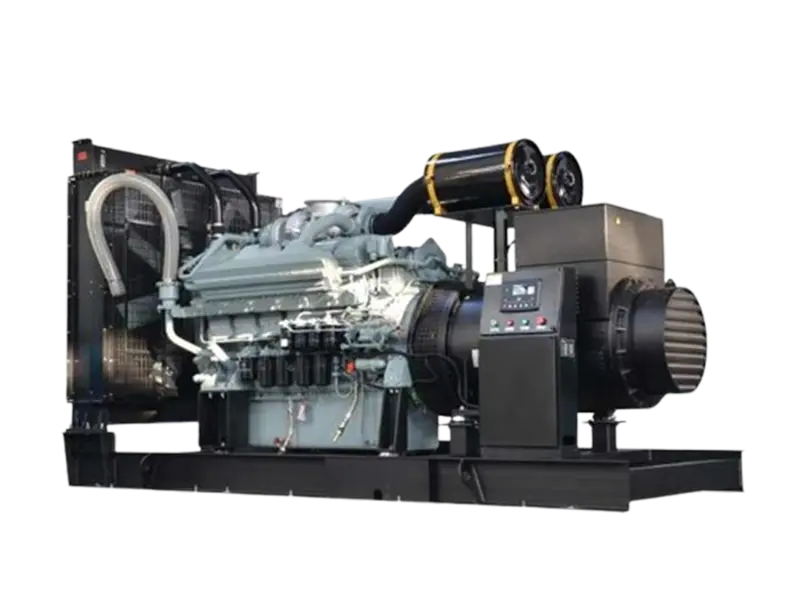 Diesel Generator Sets with Mitsubishi Engines
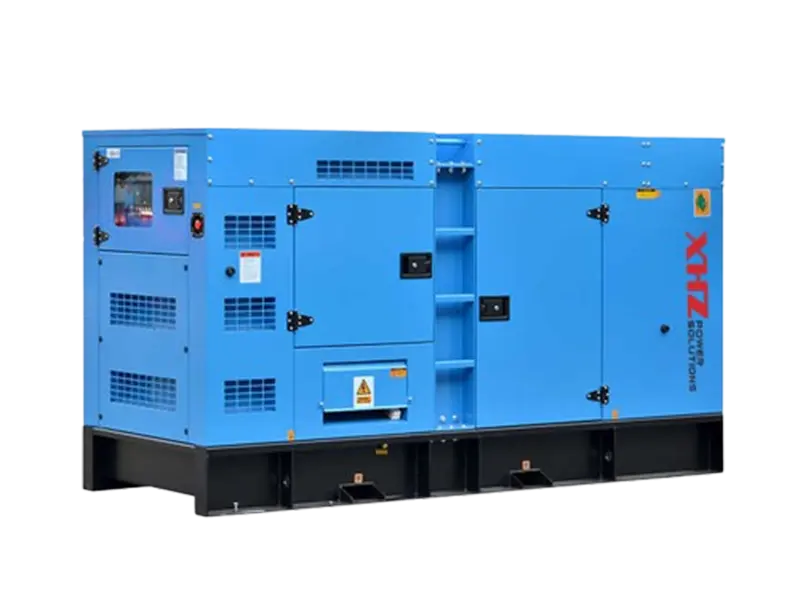 Silent Diesel Generators
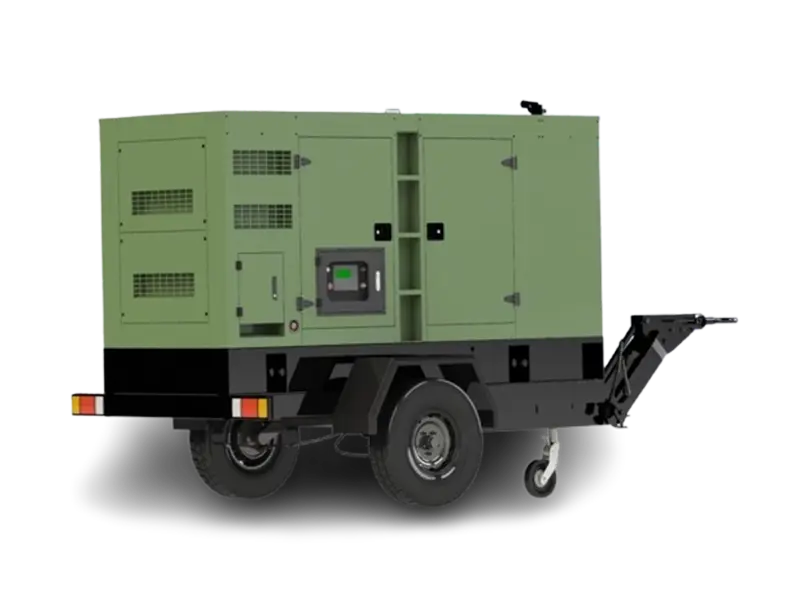 Mobile Silent Diesel Generators
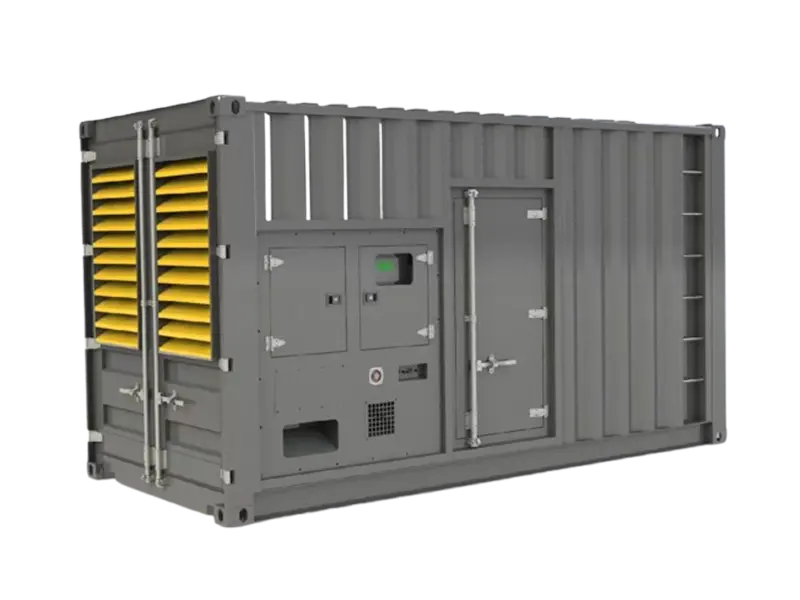 20/40HQ-Standard Container Type Generators