What is a Power System Generator and How Does It Work?
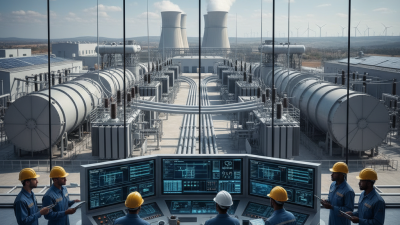
A Power System Generator is a crucial component in modern energy infrastructure. It transforms mechanical energy into electrical energy. This process is essential for supplying power to homes, industries, and systems around the world. Understanding how a Power System Generator functions can demystify its pivotal role in electricity generation.
These generators come in various types, each with unique features and technologies. From fossil fuel-based generators to renewable energy systems, their operation reflects the advancements in engineering. Some models are remarkably efficient, yet others fall short of expected performance. This variation can lead to reflections on what improvements can be made.
Power System Generators are not just machines; they represent a complex interplay of engineering principles. The reliability of these systems is vital for energy stability. However, challenges persist, such as maintenance issues and environmental impacts. By exploring these factors, we can appreciate the importance of innovation in the field of power generation. Understanding these dynamics helps establish a foundation for comprehensive knowledge in energy systems.
Definition and Purpose of Power System Generators
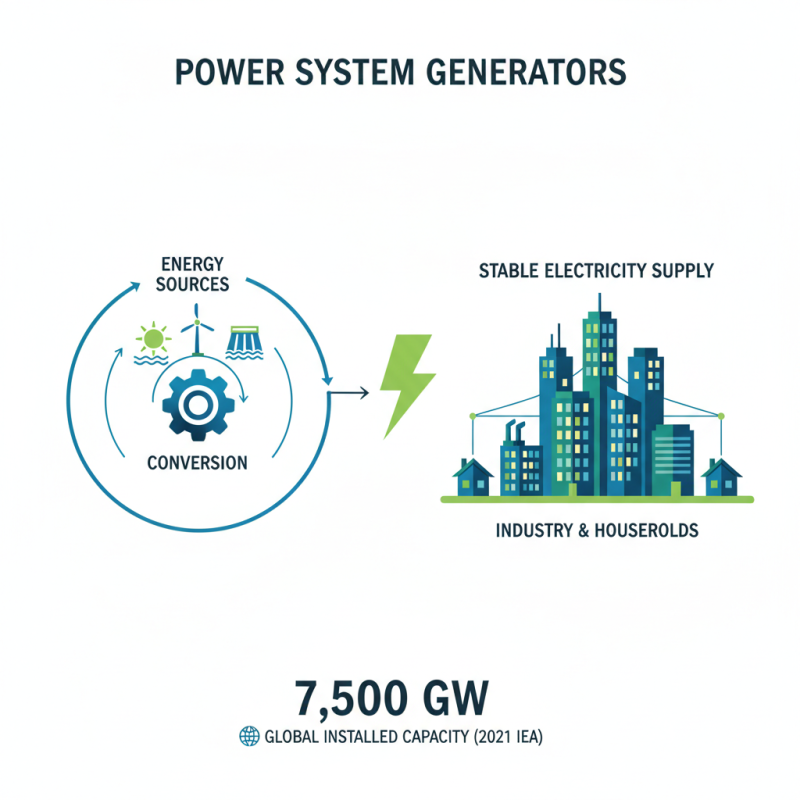
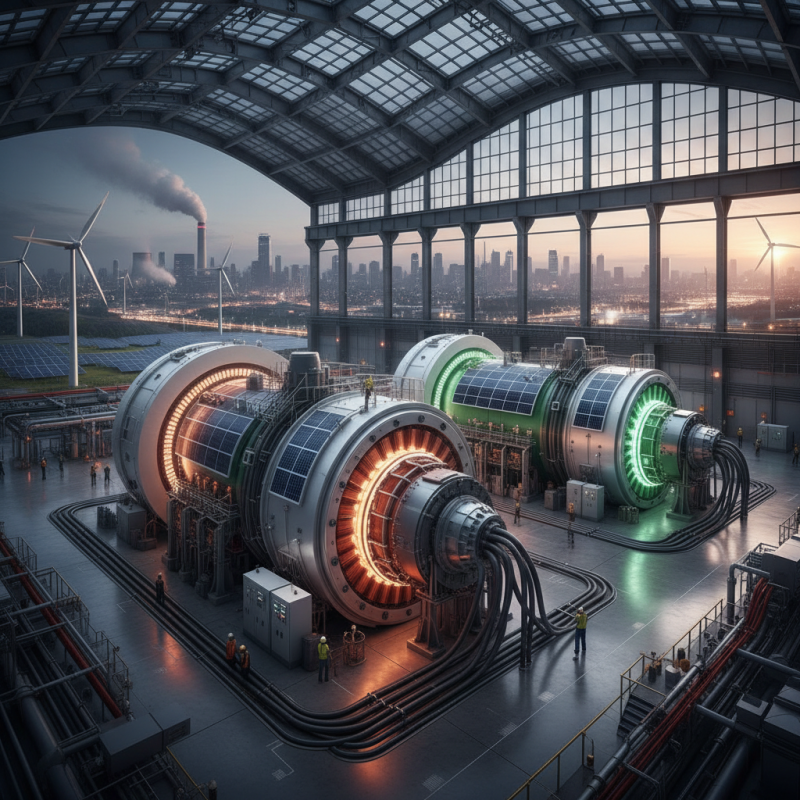
Power system generators are crucial for converting various energy sources into electrical power. Their primary purpose is to ensure a stable electricity supply that meets the demands of industries and households. In 2021, the global capacity of installed generators reached approximately 7,500 gigawatts (GW), according to the International Energy Agency (IEA). This capacity underscores the importance of these systems in modern civilization.
The technical operation of generators involves converting mechanical energy into electrical energy. Various sources, including solar, wind, and fossil fuels, drive this process. For instance, thermal power plants utilize steam generated from burning fossil fuels to spin turbines. These turbines turn generators, producing electricity. Despite advancements, generators still face reliability issues. About 20% of unplanned outages in power generation can be attributed to failures in generator systems, highlighting the need for continuous monitoring and maintenance.
Moreover, the diversity in energy sources complicates the performance of power system generators. Transitioning to renewable sources, while environmentally beneficial, poses challenges. These include fluctuations in energy output due to weather conditions. Data from the U.S. Energy Information Administration (EIA) reveals that renewable generation contributed around 20% of total U.S. electricity in 2022. This shift requires ongoing innovation and adaptability in generator technology to meet the rising demands for cleaner energy solutions.
Types of Power System Generators and Their Applications
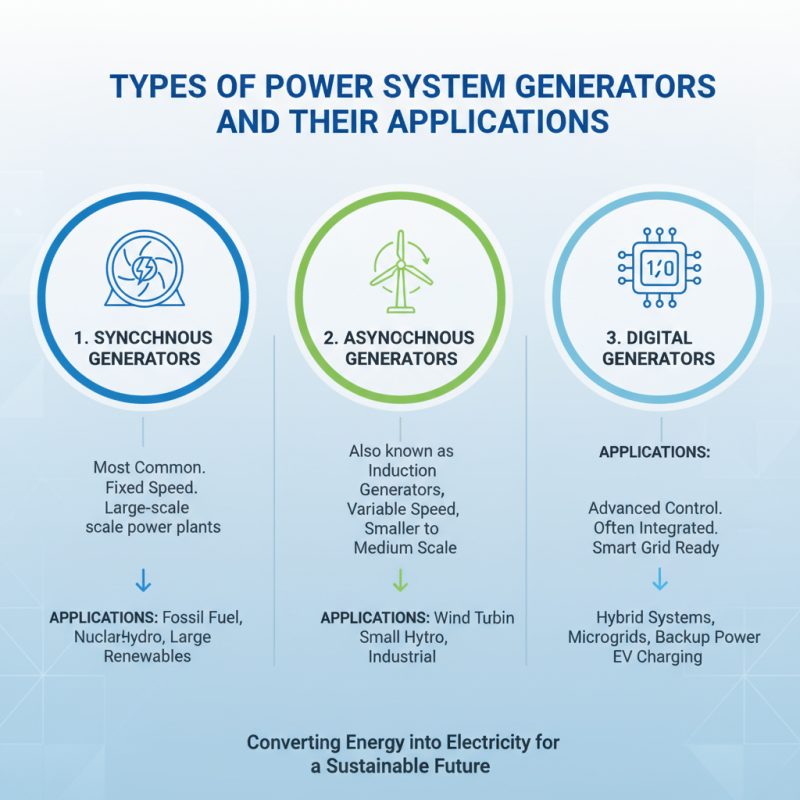
Power system generators are essential in converting various energy sources into electrical energy. There are several types of generators, each suited for specific applications. The most common types include synchronous, asynchronous, and digital generators.
Synchronous generators operate at a constant speed and are often used in large power plants. They connect to the grid to supply electricity to homes and industries. Asynchronous generators, on the other hand, are frequently found in wind turbines. They adjust their speed based on the wind's intensity. Digital generators have gained popularity in renewable energy sectors due to their precise control and efficiency.
Tips: When selecting a generator, consider its application and efficiency. An improperly chosen generator can lead to higher operational costs. Always consult industry experts.
Understanding the nuances of each generator type is crucial. For example, synchronous generators require regular maintenance, while digital generators can be more adaptable in changing conditions.
Tips: Regular checks can prolong a generator's lifespan. Neglecting maintenance can lead to unexpected failures. Keep an eye on performance metrics to avoid issues.
Basic Components of a Power System Generator
Power system generators are complex machines crucial for electricity production. At the heart of these generators lies the turbine, which converts mechanical energy into electrical energy. This turbine is driven by various energy sources, such as wind, water, steam, or even gas. The transformation of energy prompts significant engineering considerations, making efficiency a top priority.
Another key component is the alternator, which creates alternating current. It consists of a rotor and stator. The rotor rotates within the stator, creating electromagnetic induction. This process generates electrical power while generating heat, which needs to be managed to maintain efficiency. Regular maintenance and monitoring are vital. Failing to do so can lead to mechanical failures or reduced output.
Control systems are also essential. They regulate the generator's performance and maintain stability in the electrical grid. Such systems include sensors and automated controls that respond to load changes. However, these systems can become outdated or fail, exposing vulnerabilities. Addressing these issues requires continuous improvement and adaptation to new technologies. Understanding these components is key for those involved in power generation and management.
How Power System Generators Convert Energy into Electricity
Power system generators are vital for converting various forms of energy into electricity. They operate primarily based on the principle of electromagnetic induction. In this process, mechanical energy drives a rotor inside a magnetic field, creating electrical energy. According to the International Energy Agency (IEA), power system generators supplied over 27,000 terawatt-hours (TWh) of electricity worldwide in 2020.
Various types of generators utilize different energy sources. For instance, fossil fuel generators combust coal or natural gas. Hydropower plants harness gravitational potential energy from water. Wind turbines convert kinetic energy from wind into electrical energy. Each type presents unique challenges. For example, fossil fuel usage contributes to greenhouse gas emissions, raising environmental concerns. Conversely, reliance on weather-dependent resources like wind and solar introduces variability in power generation.
Data from the U.S. Energy Information Administration (EIA) indicates that renewable energy sources comprised about 20% of electricity generation in 2021. However, integrating these sources requires advancements in energy storage and grid management. Power system generators must improve their efficiency and adaptability to meet growing energy demands and environmental standards. The transition to cleaner technologies is essential, yet it poses practical challenges in balancing reliability and sustainability.
Working Principles of Different Generator Types in Power Systems
Power systems rely on generators to convert mechanical energy into electrical energy. Different types of generators serve distinct purposes in the power grid. The most common types include synchronous, asynchronous, and hydropower generators. Each type utilizes unique principles to generate electricity.
Synchronous generators operate at a constant speed. They use rotor and stator designs to create a rotating magnetic field. This design allows for efficient electricity production. According to the International Energy Agency (IEA), about 75% of electricity produced globally comes from synchronous generators. They are crucial for grid stability and frequency control.
Asynchronous generators, or induction generators, function differently. They rely on induction to generate electricity. Their speed can vary based on the grid frequency. This makes them suitable for wind turbines and other renewable sources. A report by the World Wind Energy Association shows that induction generators are increasingly vital as more wind energy comes online.
**Tip:** Regular maintenance of generators improves efficiency. Small issues can escalate if not addressed promptly.
Hydropower generators leverage water flow to produce electricity. Their design includes turbines that convert the kinetic energy of moving water. As of 2022, hydropower contributes to approximately 16% of the world's electricity supply, according to the Global Energy Statistical Yearbook. However, environmental impacts and fluctuating water availability pose challenges.
**Tip:** Monitor environmental conditions. Water levels can change rapidly, affecting generator performance.
Power System Generators Output Comparison
This chart illustrates the power output of different types of generators commonly used in power systems, showcasing their effectiveness in generating energy.

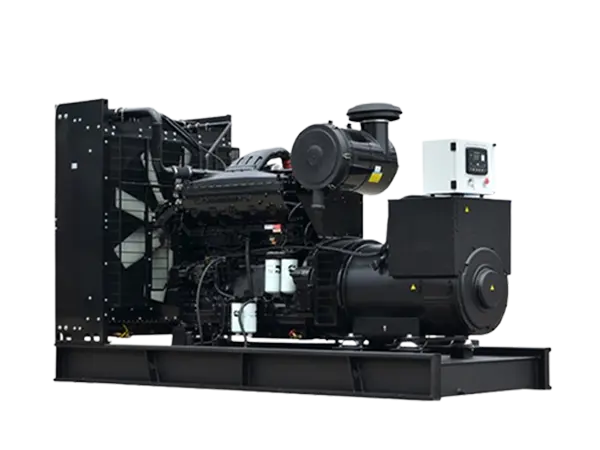 Diesel Generator Sets with Cummins Engines, XHZC Series
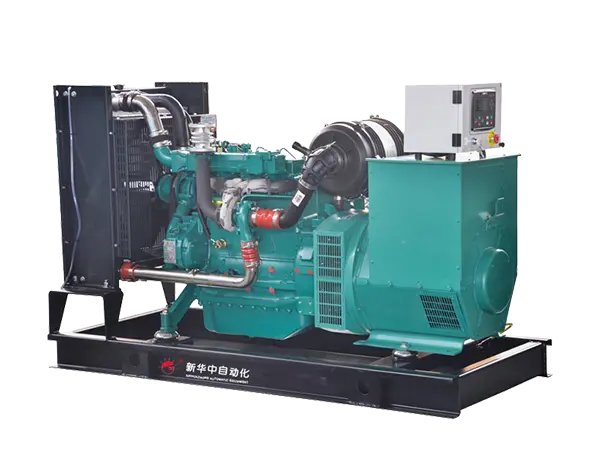 Weichai Series
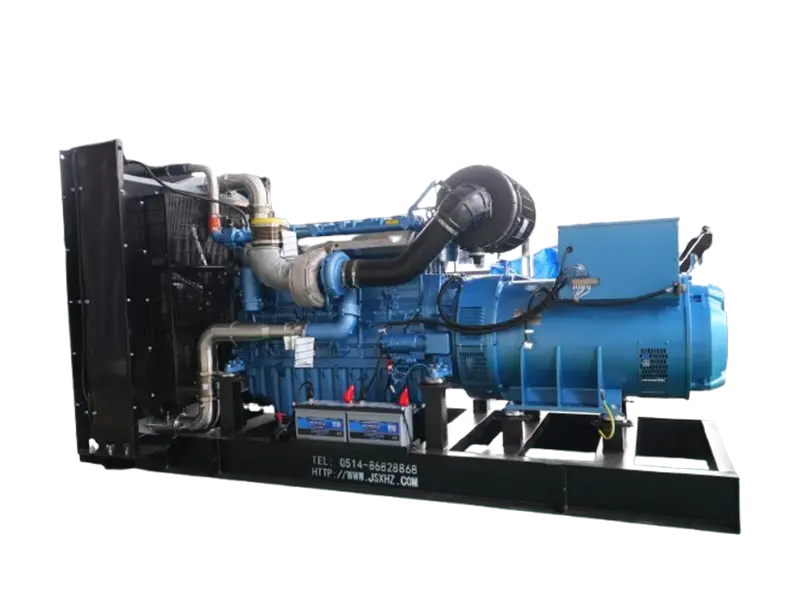 Diesel Generator Sets with WEICHAI Engines, XHZW Series
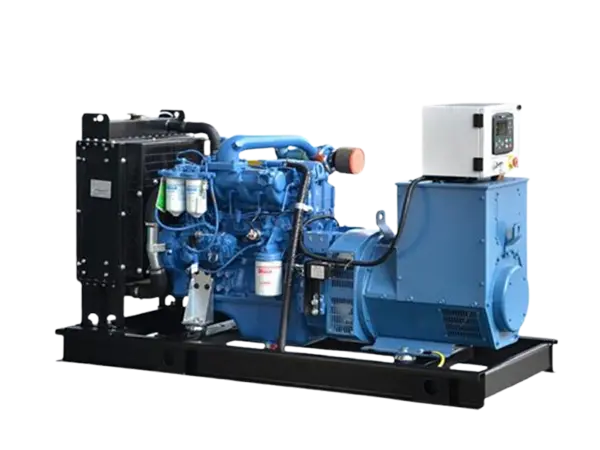 Yuchai Series
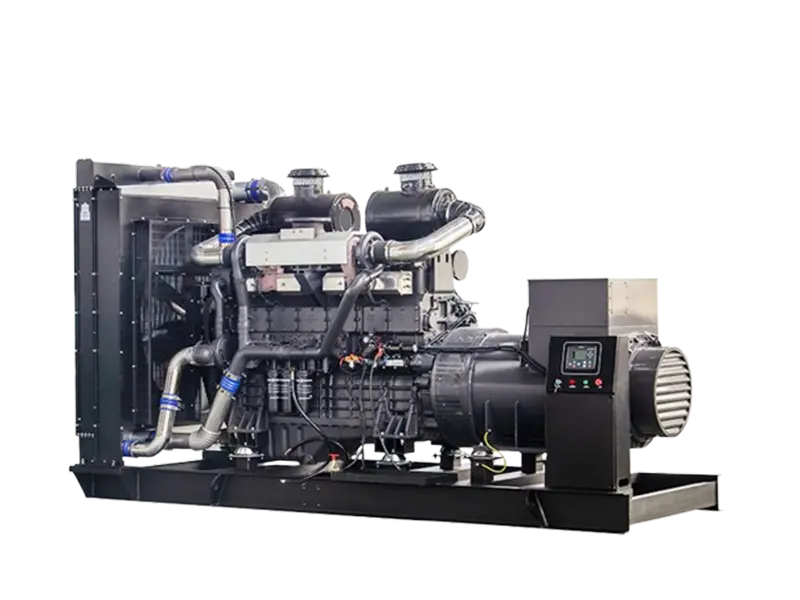 Diesel Generator Sets with SDEC(SHANGCHAI) Engines, XHZS Series
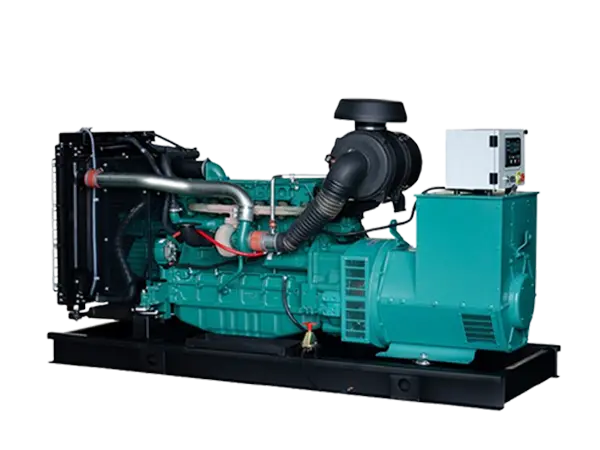 Volvo Series
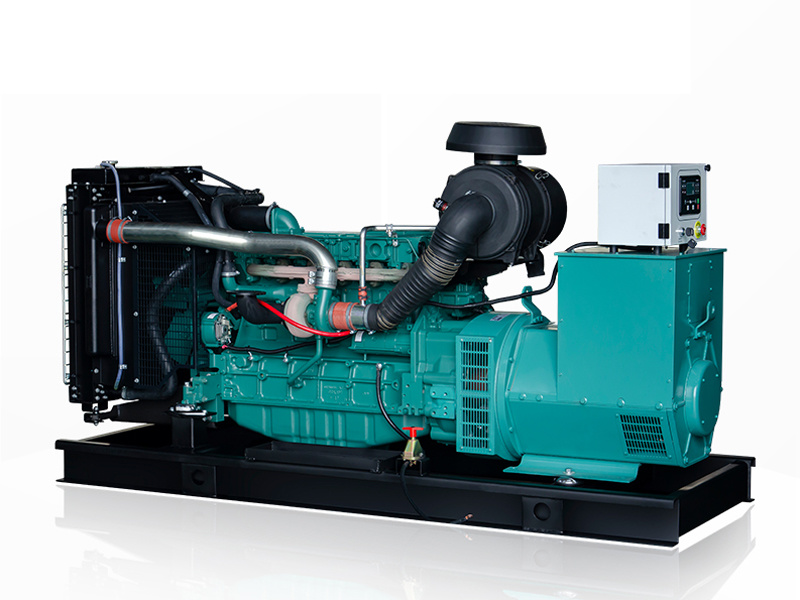 Diesel Generator Sets with VOLVO Engines, XHZV Series
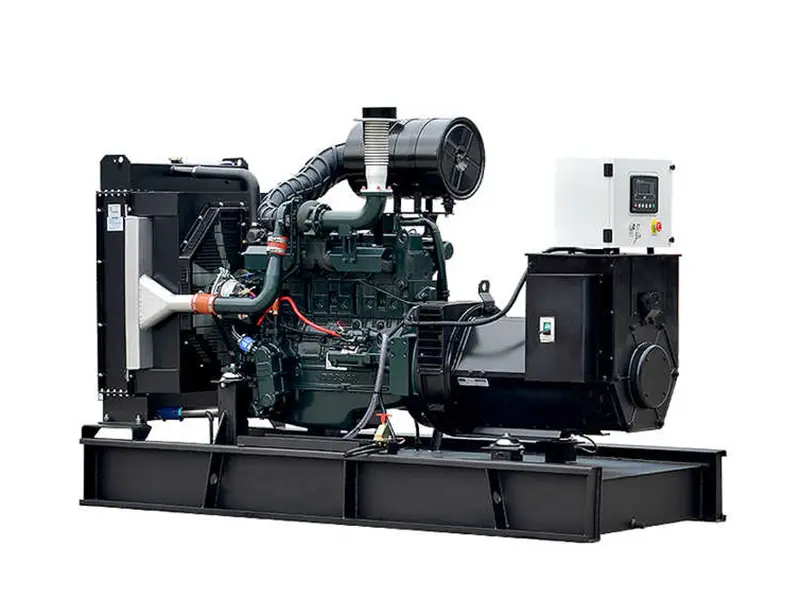 Diesel Generator Sets with Doosan Engines
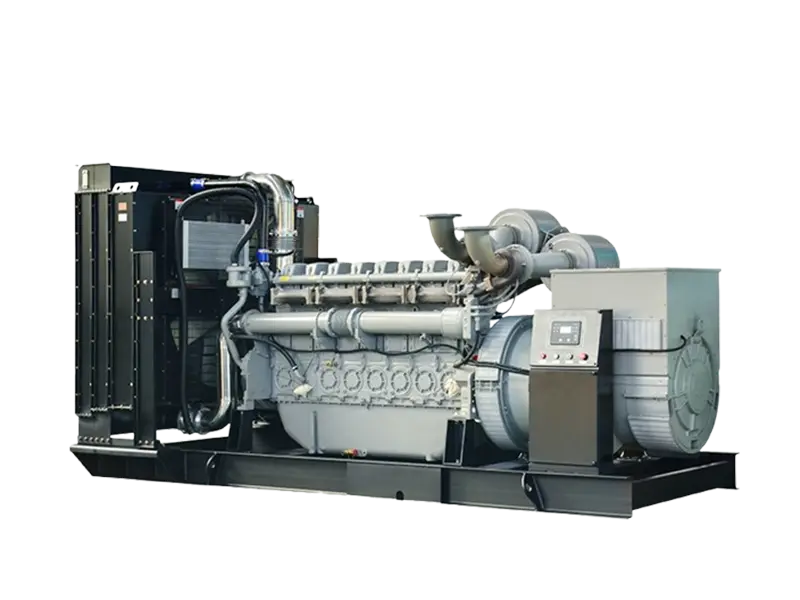 Diesel Generator Sets with Perkins Engines, XHZP Series
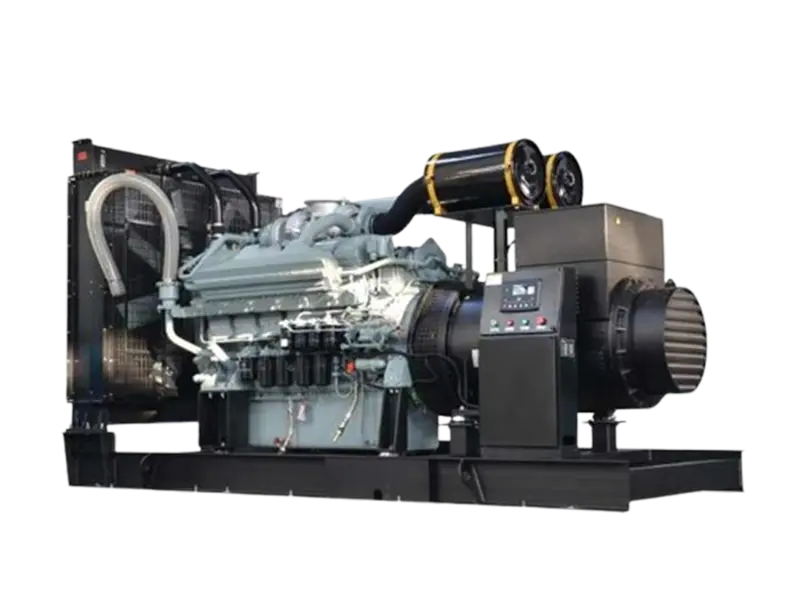 Diesel Generator Sets with Mitsubishi Engines
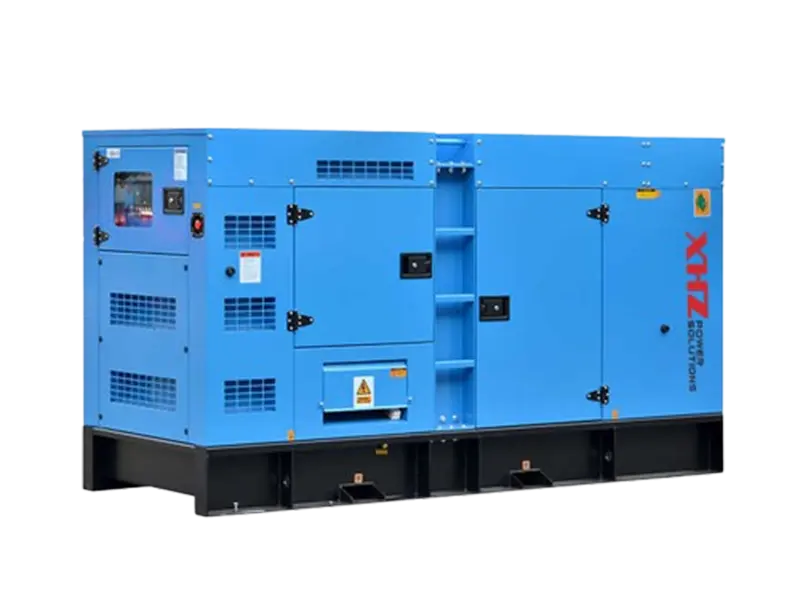 Silent Diesel Generators
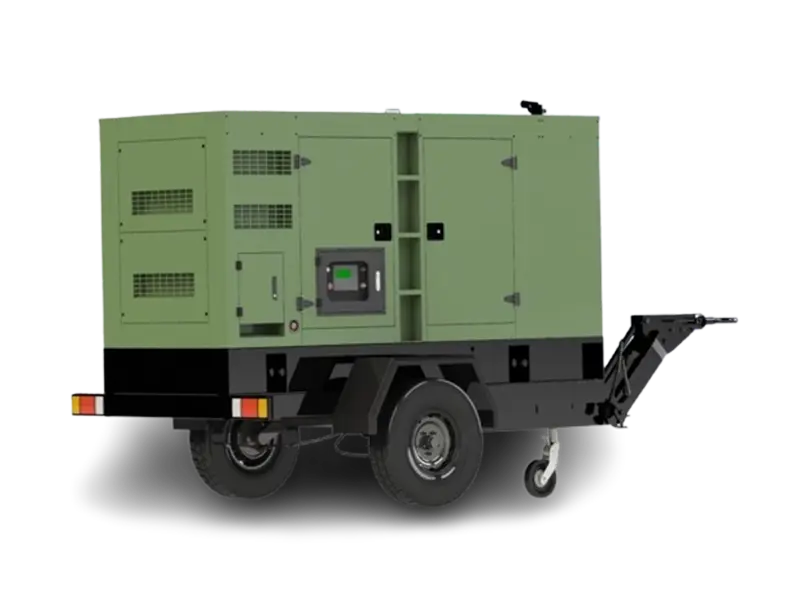 Mobile Silent Diesel Generators
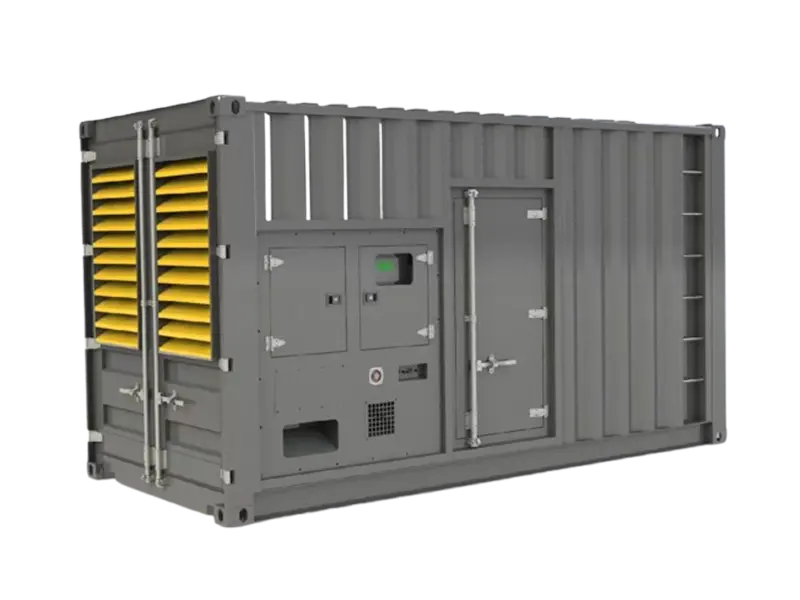 20/40HQ-Standard Container Type Generators