Top 10 Quiet Diesel Generators for Efficient Power Needs?
In today's world, the demand for reliable and efficient power sources is escalating. According to a report by market analyst firm Research and Markets, the global generator market is projected to grow at a compound annual growth rate (CAGR) of 4.3% from 2021 to 2026. Amidst this growth, the "Quiet Diesel Generator" stands out as a popular choice for many sectors, including construction, healthcare, and residential usage. These generators not only offer superior efficiency but also operate with significantly lower noise levels, making them ideal in noise-sensitive environments.
The evolution of diesel generator technology has led to quieter and more fuel-efficient models, catering to consumer demands for sustainability and efficiency. Many manufacturers now include advanced sound-dampening materials, contributing to overall noise reductions of up to 50% compared to traditional models. Reports suggest that units can operate at sound levels as low as 50 dB, roughly equivalent to a quiet office. However, consumers often face challenges in choosing the right model, given the vast array of options available.
Investing in a Quiet Diesel Generator can provide peace of mind and operational reliability. Yet, one must weigh the upfront costs against potential savings in fuel efficiency and noise reduction. It remains essential to consider both immediate and long-term needs when selecting a generator that fits specific power requirements. The right decision can mean the difference between seamless operation and costly downtime.
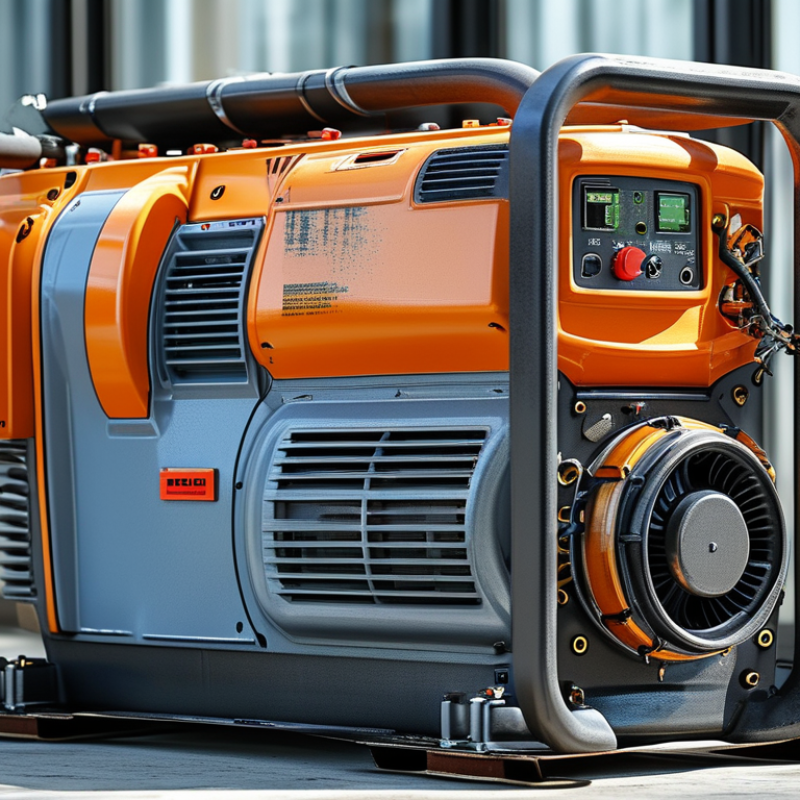
Understanding Diesel Generators and Their Benefits for Power Needs
Diesel generators are increasingly preferred for diverse power needs due to their efficiency and reliability. The global diesel generator market is projected to reach $23 billion by 2026, according to recent industry reports. This growth highlights the demand for dependable power sources in both residential and industrial applications. Diesel engines provide better fuel efficiency compared to their gasoline counterparts. They generally consume up to 30% less fuel while providing similar power.
The benefits are significant. Diesel generators are known for their longevity. With proper maintenance, they can operate for over 30,000 hours, making them a cost-effective choice. Additionally, they perform exceptionally well in remote areas where grid power is unavailable. Their ability to run continuously for long periods sets them apart. Noise levels have also improved with technological advancements, making modern diesel generators quieter than ever before.
Yet, it is essential to consider some drawbacks. Initial costs can be high, and regular maintenance is crucial for optimal performance. Furthermore, the environmental impact of diesel emissions cannot be overlooked. As regulations become stricter, the focus on cleaner alternatives may grow. Users must weigh the benefits against these concerns to make informed decisions regarding their power needs.
Top 10 Quiet Diesel Generators for Efficient Power Needs
| Model |
Power Output (kW) |
Noise Level (dB) |
Run Time (hours) |
Fuel Tank Capacity (L) |
| Model A |
5 |
50 |
12 |
15 |
| Model B |
7.5 |
48 |
10 |
20 |
| Model C |
10 |
45 |
14 |
25 |
| Model D |
12 |
46 |
11 |
30 |
| Model E |
15 |
49 |
9 |
35 |
| Model F |
20 |
47 |
8 |
40 |
| Model G |
25 |
53 |
7 |
50 |
| Model H |
30 |
55 |
6 |
60 |
| Model I |
35 |
52 |
5 |
70 |
| Model J |
40 |
50 |
4 |
80 |
Factors to Consider When Choosing a Quiet Diesel Generator
When choosing a quiet diesel generator, several factors come into play. Noise levels should be a primary consideration. Look for generators specifically designed for quiet operation. The decibel rating can give you an idea of how loud a generator may be during use. Ideally, you want one that operates below 60 decibels.
Fuel efficiency is also crucial. A generator that consumes less fuel will save you money in the long run. Check the runtime on a full tank of diesel. Longer runtimes mean less frequent refueling, which is convenient, especially for outdoor events or emergencies. Pay attention to the generator's load capacity, too. It needs to meet your specific power requirements without being oversized.
Durability matters as well. Consider the build quality and materials. A robust generator will withstand harsh conditions better. Maintenance is an area often overlooked. Regular servicing can prevent mechanical issues and extend the life of your generator. Evaluate whether you have the skills or resources for maintenance. These aspects can impact your overall satisfaction and the generator's long-term performance.
Top Quiet Diesel Generators for Home Use and Their Features
When looking for quiet diesel generators for home use, efficiency and noise level are key considerations. Quiet models operate at lower decibel levels. This reduces disruption at home, making them ideal for residential areas. Many of these generators feature advanced muffler technology. This ensures the noise produced is minimal while maintaining power output.
Durability is another vital feature. A robust design withstands outdoor conditions, enhancing longevity. Additionally, these generators often have fuel efficiency systems. This saves on costs over time. Some models also include multiple outlets for versatile use. Having a variety of connections facilitates powering multiple devices simultaneously.
However, it’s important to evaluate the generator’s capacity versus your needs. Underestimating power requirements can lead to performance issues. Careful planning ensures you avoid noisy interruptions. User reviews often highlight the benefits of quiet operation but also mention maintenance challenges. Regular checks are necessary to keep these machines running smoothly. It's crucial to weigh these factors before making a decision.
Top 10 Quiet Diesel Generators for Efficient Power Needs
This chart illustrates the noise levels and power output of the top 10 quiet diesel generators suitable for home use. The data reflects the average decibel levels at 25% load compared to the generator's rated power output in watts.
Comparative Analysis of Performance and Noise Levels of Popular Models
When considering quiet diesel generators, noise levels are a critical factor. Efficiency often comes at the expense of sound output. Models vary significantly. Some operate below 60 decibels, while others can hit over 70 decibels. A quieter generator often leads to a more pleasant environment, especially in residential areas or during camping trips. Imagine setting up your campsite only to disturb the peace with a loud generator. This concern drives many users to look for quieter alternatives.
Performance is equally important. Many models boast impressive fuel efficiency and run times, but this doesn't always correlate with low noise output. Some generators utilize advanced technology to reduce noise. Their design includes sound-dampening enclosures, which can make a significant difference. However, even quiet models might experience vibrations that introduce noise during operation. Users should consider both the advertised decibel levels and real-world performance when making a decision.
Selecting a generator that meets both power needs and noise criteria involves more than just checking specs. Understanding the environment where it will be used is essential. An inefficient choice can lead to frustration. If the generator is too loud, it negates the benefits of having backup power. Striking a balance between noise level and operational efficiency is key to making a reliable choice.
Maintenance Tips for Prolonging the Life of Diesel Generators
Maintaining diesel generators is crucial for longevity and efficiency. Regular upkeep can help you avoid costly repairs. According to industry reports, generators require oil changes every 100 hours of operation. This habit ensures optimal performance and prevents engine damage. Neglecting oil changes can lead to engine wear, decreasing the generator's lifespan significantly.
Another essential maintenance activity is the inspection of air filters. Dirty filters can restrict airflow and cause inefficiencies. A study indicates that clean filters can improve fuel efficiency by up to 15%. Inspect filters every month and replace them when necessary to ensure your generator runs smoothly.
Battery maintenance deserves attention as well. Corroded terminals or weak batteries can lead to starting issues. Regularly check the terminals and clean any corrosion. Keeping your battery charged properly can extend its life and enhance reliability. Each small maintenance habit makes a big difference over time, shaping the performance of your diesel generator.

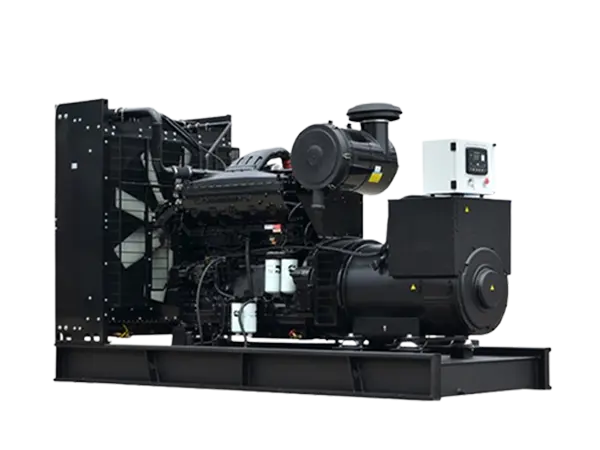 Diesel Generator Sets with Cummins Engines, XHZC Series
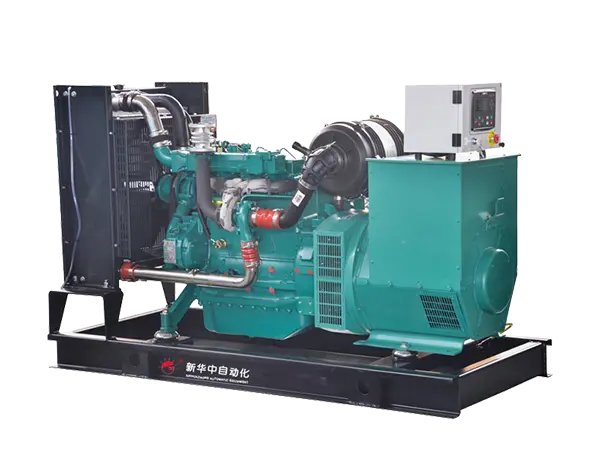 Weichai Series
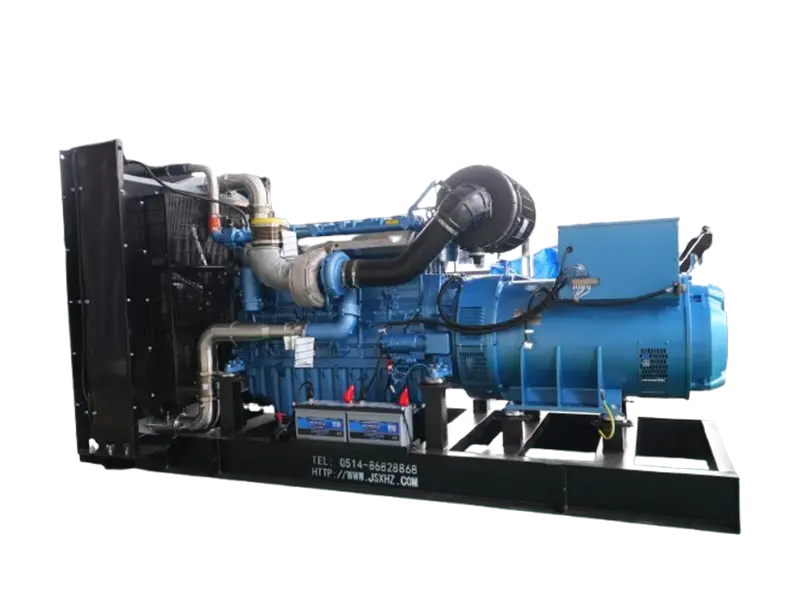 Diesel Generator Sets with WEICHAI Engines, XHZW Series
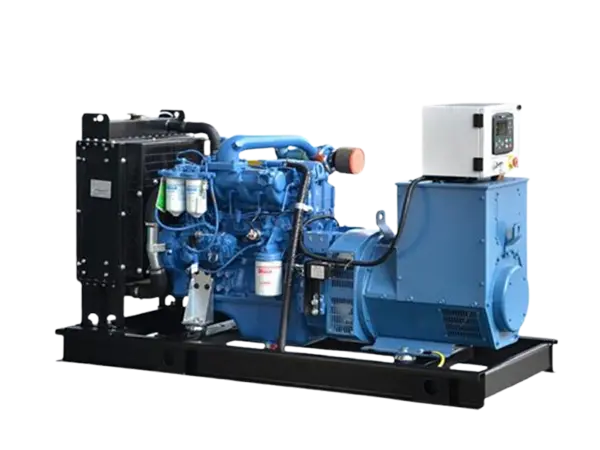 Yuchai Series
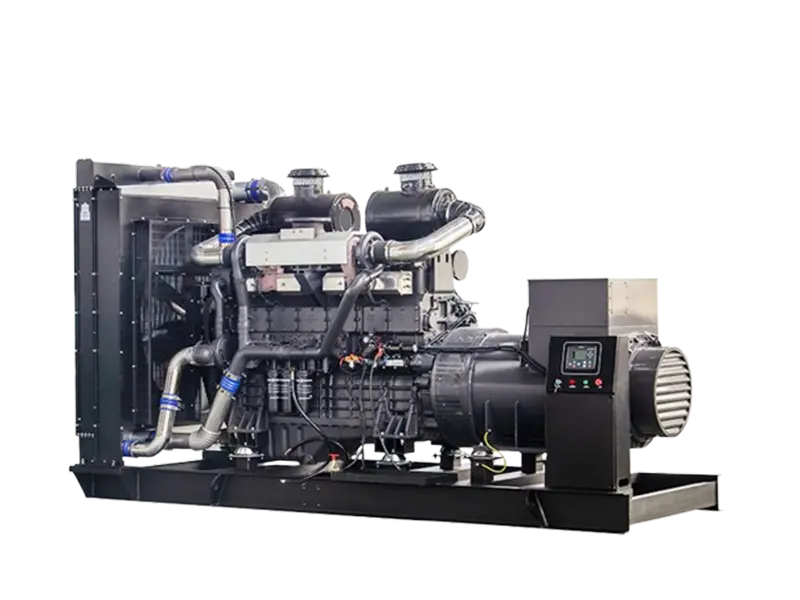 Diesel Generator Sets with SDEC(SHANGCHAI) Engines, XHZS Series
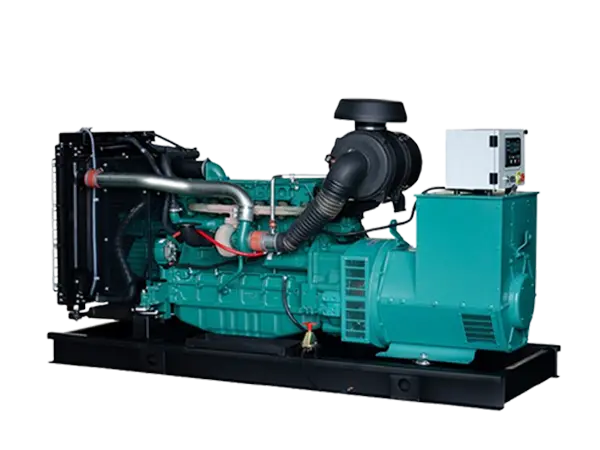 Volvo Series
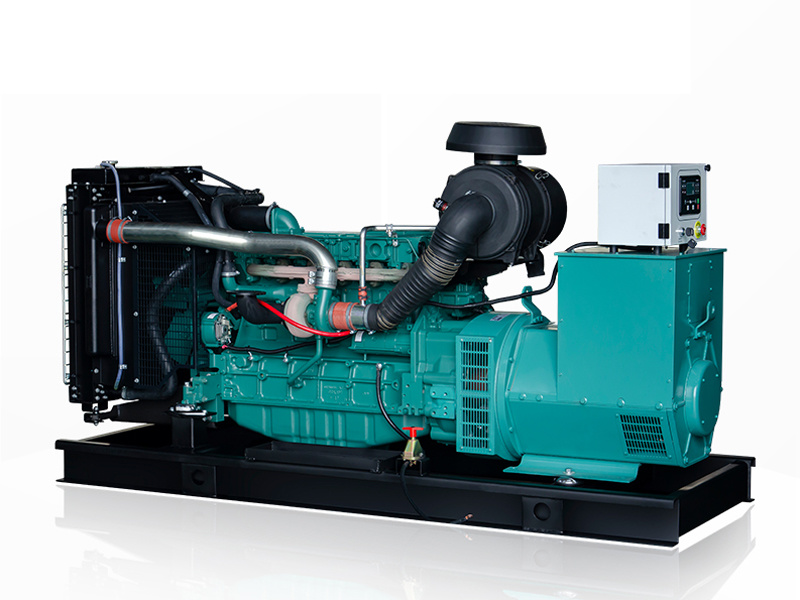 Diesel Generator Sets with VOLVO Engines, XHZV Series
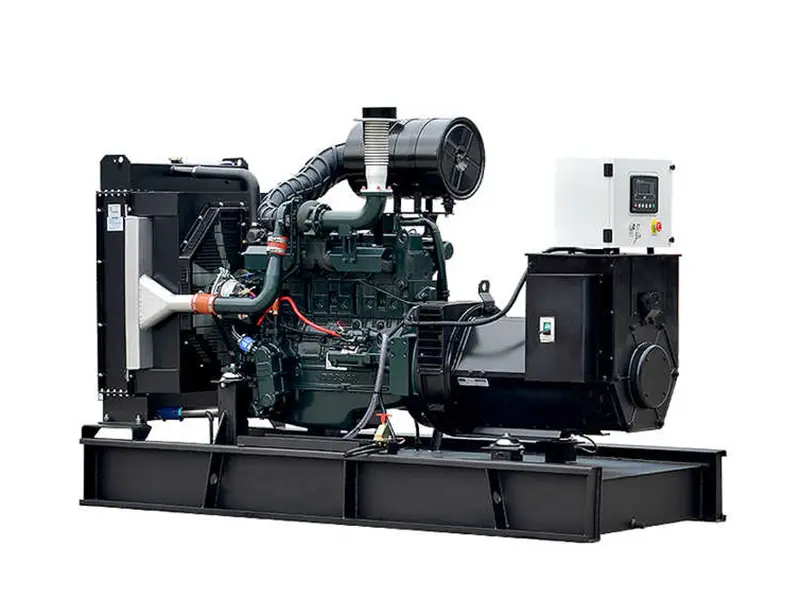 Diesel Generator Sets with Doosan Engines
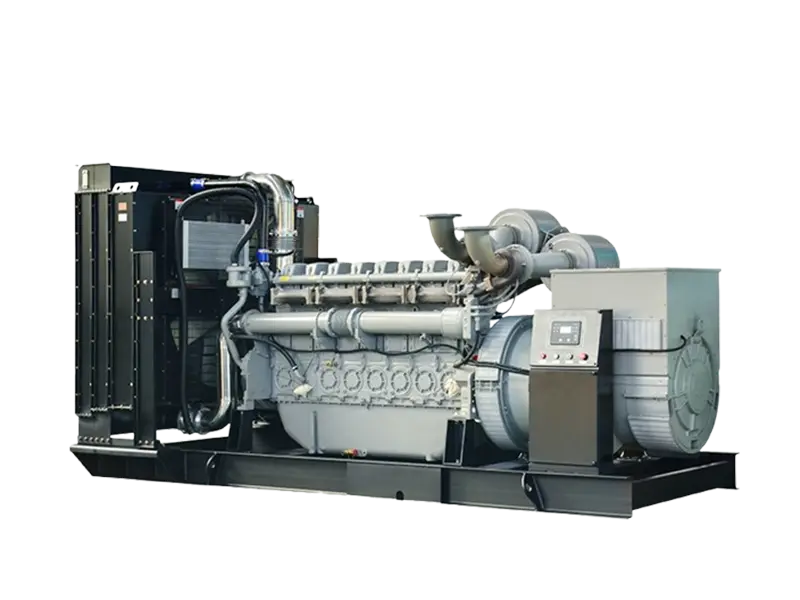 Diesel Generator Sets with Perkins Engines, XHZP Series
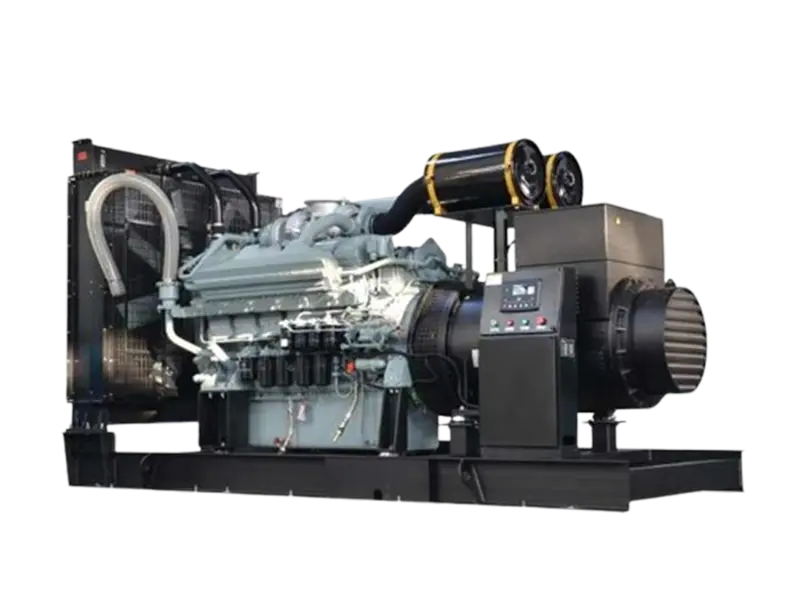 Diesel Generator Sets with Mitsubishi Engines
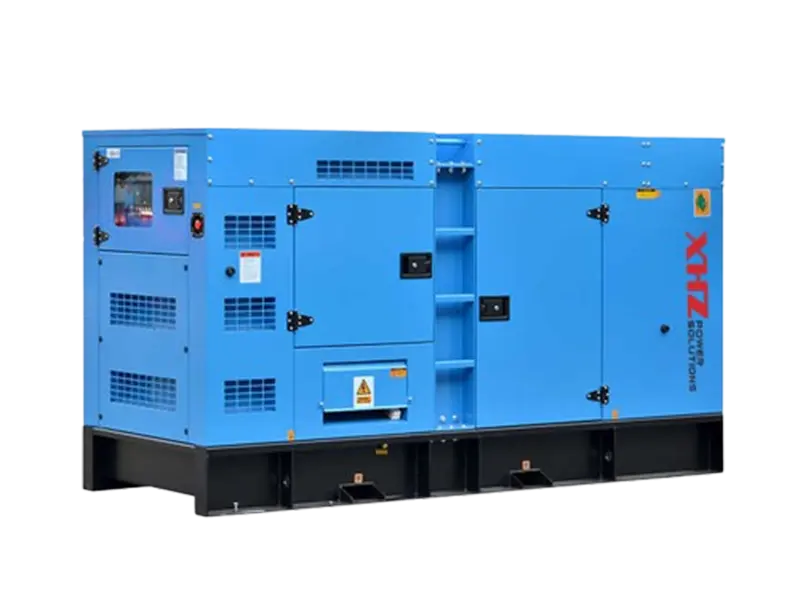 Silent Diesel Generators
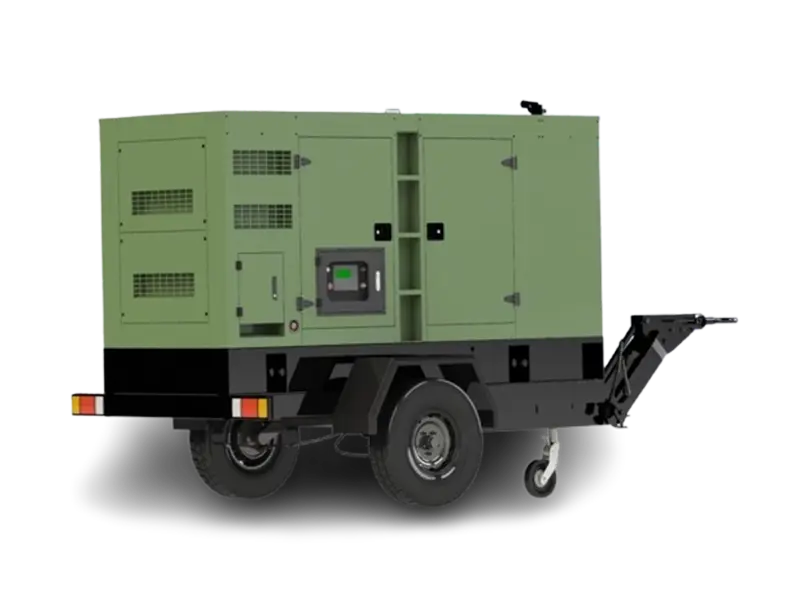 Mobile Silent Diesel Generators
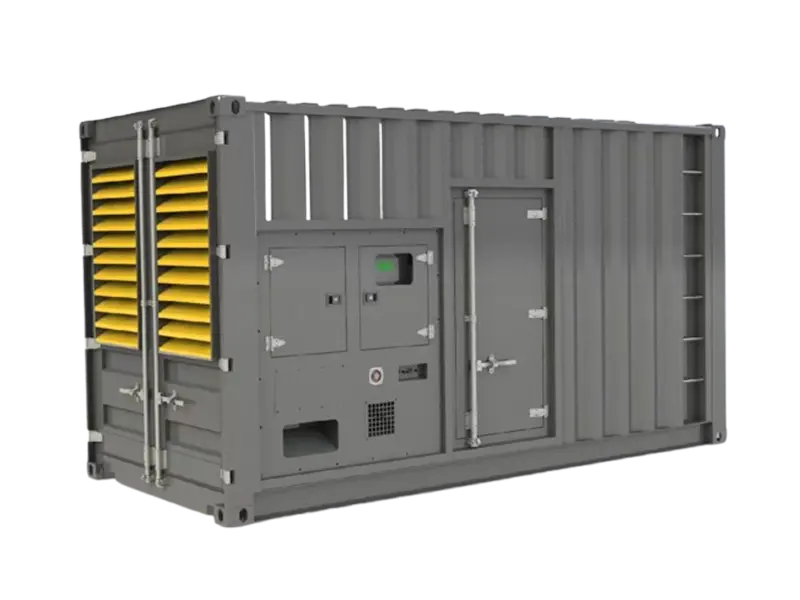 20/40HQ-Standard Container Type Generators