Ultimate Tips for Choosing a Large Diesel Generator?
Selecting a large diesel generator is a crucial task for many businesses. Understanding the right specifications can prevent costly mistakes. Industry expert Mark Thompson, a leading consultant in the power generation sector, once stated, “Choosing a Diesel Generator Large requires careful consideration of your specific needs.” This quote emphasizes the importance of tailored solutions.
When evaluating a Diesel Generator Large, power requirements are key. The generator should match your operational demands. An undersized unit can lead to failures or inefficiencies. Additionally, consider fuel efficiency; it can greatly affect long-term expenses.
Many overlook the importance of reliable support and maintenance services. Not every generator on the market offers this. Some companies may promise much, but fail to deliver. Be cautious and research potential suppliers. Engaging with industry professionals can uncover insights that promotional materials might miss. In the end, a thoughtful approach will yield the best outcomes in your generator selection journey.
Factors to Consider When Selecting a Large Diesel Generator
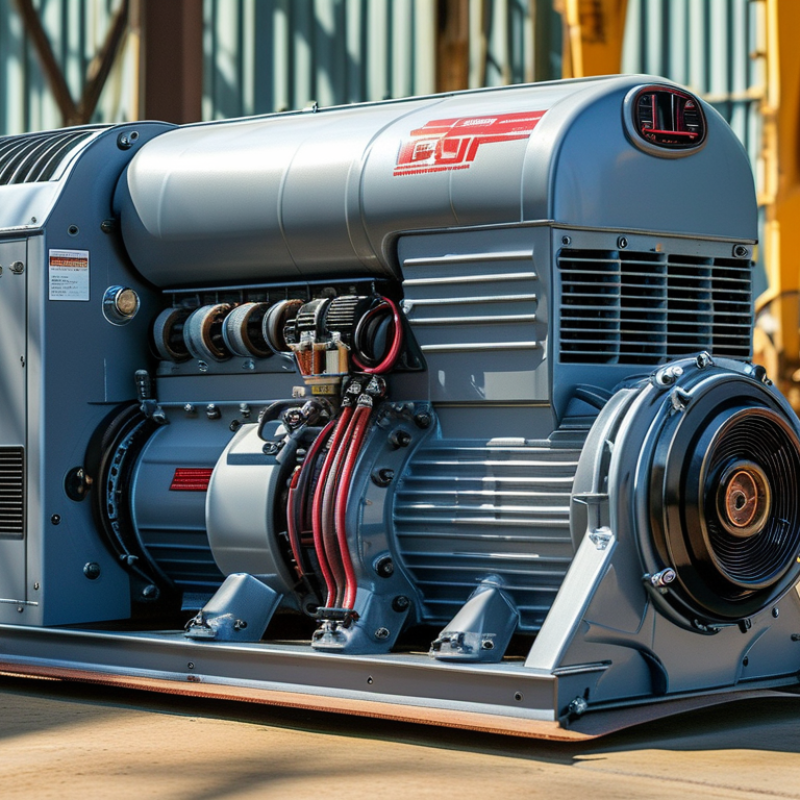
When selecting a large diesel generator, several key factors should be carefully considered. The power output is vital. It determines if the generator meets your energy needs. Calculate your peak load requirements. Consider the running wattage for all appliances and equipment. This will help prevent overloading and ensure smooth operation.
Another important aspect is fuel efficiency. Diesel generators can consume a significant amount of fuel. Look for models that provide a good balance between power output and fuel consumption. Pay attention to the runtime on a full tank. An extended runtime can minimize downtime and increase productivity.
Noise levels are often overlooked but can impact site operations. Assess the generator's noise rating. It’s crucial in residential or urban settings. Opt for units with sound-dampening features when necessary. Additionally, think about maintenance requirements. Some generators demand frequent servicing, which can lead to added costs. A generator that is easy to maintain may save you time and money in the long run.
Understanding Power Requirements and Load Calculations
When selecting a large diesel generator, understanding your power requirements is crucial. Begin by calculating the total load of all devices you plan to run simultaneously. This includes everything from lights to heavy machinery. Gather the wattage ratings for each piece of equipment. It's often helpful to group them by function. For example, separate lighting, heating, and water pumps.
Once you total the wattage, consider starting currents for motors. They often require more power at startup. Factor this into your calculations, as oversizing your generator might lead to inefficiency. If you underestimate your needs, you risk overloading the generator. This not only affects performance but could lead to damage.
Take time to assess your peak consumption moments. Demands might shift throughout the day. A flexible solution might be beneficial. Revisit your calculations regularly, especially if new equipment is added. Documenting these changes will help ensure your generator always meets your needs. Balancing power requirements and operational efficiency will lead to informed choices when choosing a diesel generator.
Evaluating Fuel Efficiency and Operational Costs
When evaluating fuel efficiency and operational costs of large diesel generators, understanding key metrics is crucial. According to the U.S. Energy Information Administration, diesel generators have an average thermal efficiency of around 33% to 40%. This means a significant portion of fuel energy is wasted as heat. Therefore, selecting a generator with higher efficiency ratings can provide substantial operational savings.
Fuel consumption varies widely depending on the generator size and load conditions. An analysis from DieselNet indicates that larger generators often have better fuel economy. For instance, a diesel generator rated at 1 MW might consume approximately 200-250 liters of diesel per hour under full load. This highlights the importance of evaluating your power needs against fuel consumption rates. Inconsistent usage patterns can lead to overestimation of fuel costs or underperformance during peak demands, which complicates budgeting for long-term operations.
Maintenance costs are another factor to consider. Regular servicing can prevent efficiency drops due to wear and tear. The National Renewable Energy Laboratory suggests that maintenance can increase a generator's lifespan and operational reliability. Neglecting this aspect can lead to unexpected failures and inflated costs over time. Balancing fuel efficiency with maintenance needs ensures a more sustainable and economically viable option for users.
Assessing Noise Levels and Compliance with Regulations
When selecting a large diesel generator, noise levels and regulatory compliance are critical factors. According to the Environmental Protection Agency (EPA), generators can emit sound levels exceeding 85 decibels at a distance of 50 feet. Such exposure can lead to hearing loss over time. Therefore, choosing a generator that operates within permissible limits is essential. Many professionals recommend looking for units with noise-reducing features, such as sound attenuated enclosures.
Compliance with local regulations is another significant consideration. The National Institute for Occupational Safety and Health (NIOSH) suggests that continuous exposure to noise levels above 70 decibels may lead to health issues. Local building codes and environmental regulations often dictate the acceptable sound levels for generators. Conduct inspections to ensure the chosen generator meets these standards. Failing to comply may result in fines and operational disruptions.
Budget constraints can challenge meeting these noise and compliance standards. It can be tempting to prioritize cost savings over these crucial factors. However, the long-term implications of non-compliance, such as fines or health implications, far outweigh initial savings. Taking time to evaluate each generator against these criteria will lead to a more sustainable and responsible investment.
Reviewing Maintenance and Durability of Diesel Generators
When selecting a large diesel generator, understanding maintenance and durability is crucial. Regular maintenance enhances the lifespan of these machines. This usually includes routine inspections, oil changes, and replacing filters. A well-maintained generator can serve effectively for over 10,000 hours. Neglecting these tasks often leads to costly repairs and unexpected downtimes.
Durability is another key factor. Generators must withstand harsh weather and heavy usage. Look for features like robust casings and high-quality engine components. Some may be marketed as durable but fail under pressure. Check user reviews for real-world experiences. This can help gauge the reliability of specific models. Careful consideration of both maintenance needs and durability can prevent headaches down the line. Prioritize tools that are built to last and easy to maintain for consistent performance in challenging situations.
Ultimate Tips for Choosing a Large Diesel Generator? - Reviewing Maintenance and Durability of Diesel Generators
| Feature |
Importance |
Maintenance Frequency |
Expected Lifespan |
Durability Rating |
| Fuel Efficiency |
High |
Monthly |
10-15 years |
Excellent |
| Noise Level |
Moderate |
Quarterly |
8-12 years |
Good |
| Cooling System |
High |
Biannual |
12-20 years |
Very Good |
| Starting System |
Crucial |
Monthly |
10-15 years |
Excellent |
| Warranty and Support |
High |
Upon Issue |
N/A |
N/A |

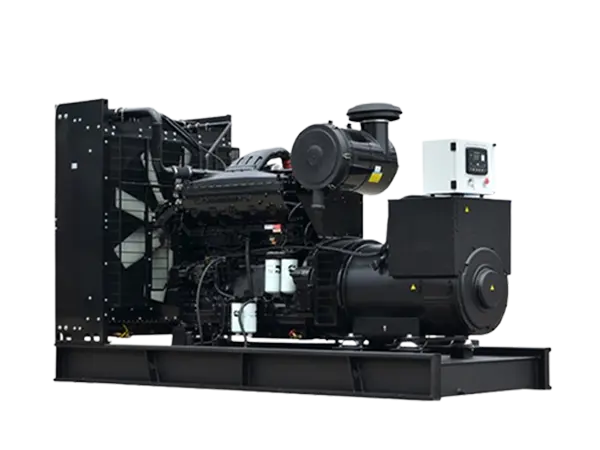 Diesel Generator Sets with Cummins Engines, XHZC Series
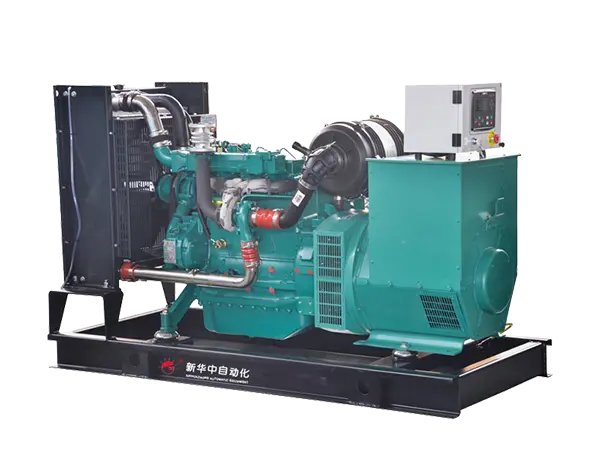 Weichai Series
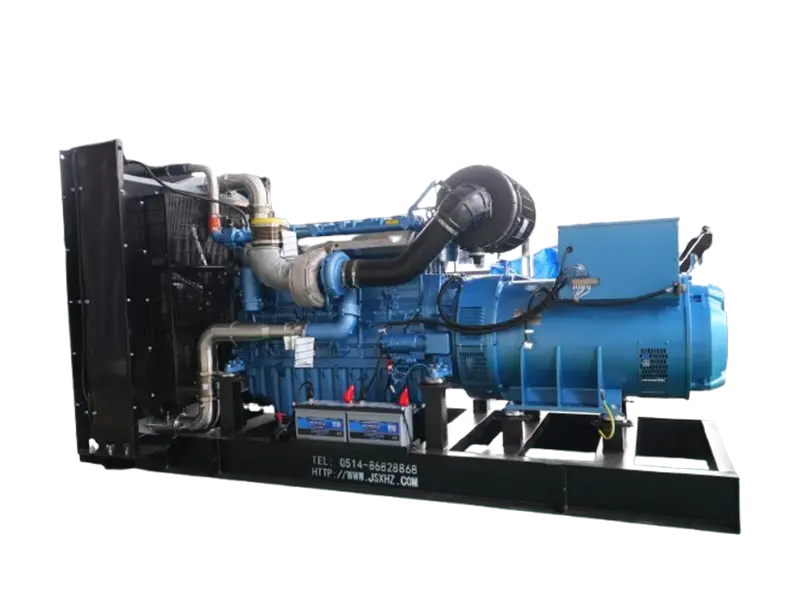 Diesel Generator Sets with WEICHAI Engines, XHZW Series
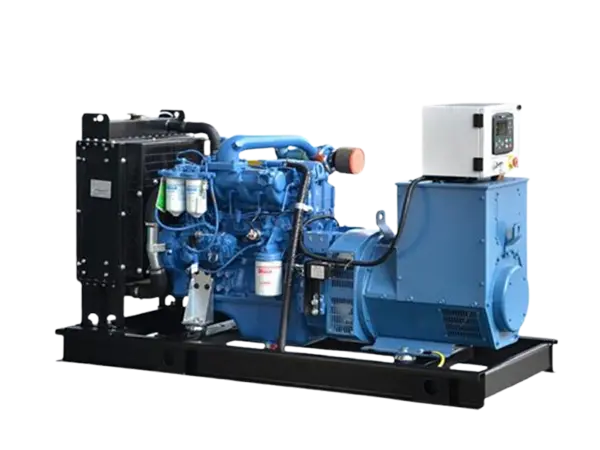 Yuchai Series
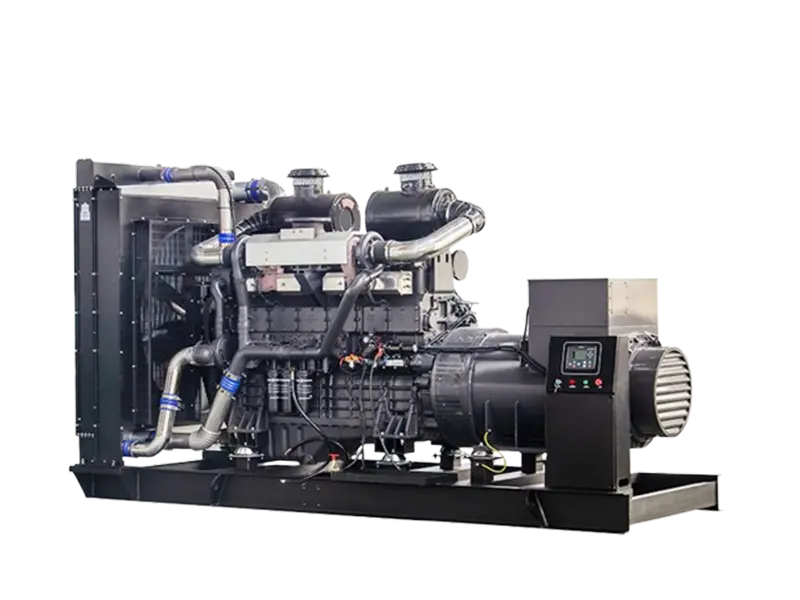 Diesel Generator Sets with SDEC(SHANGCHAI) Engines, XHZS Series
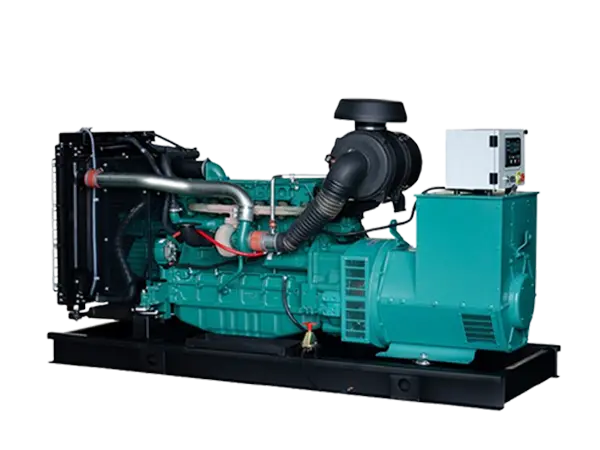 Volvo Series
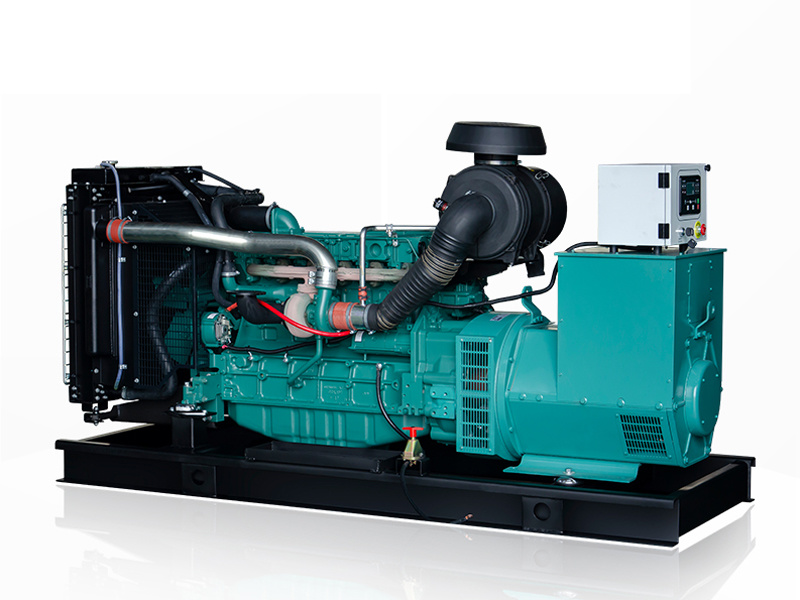 Diesel Generator Sets with VOLVO Engines, XHZV Series
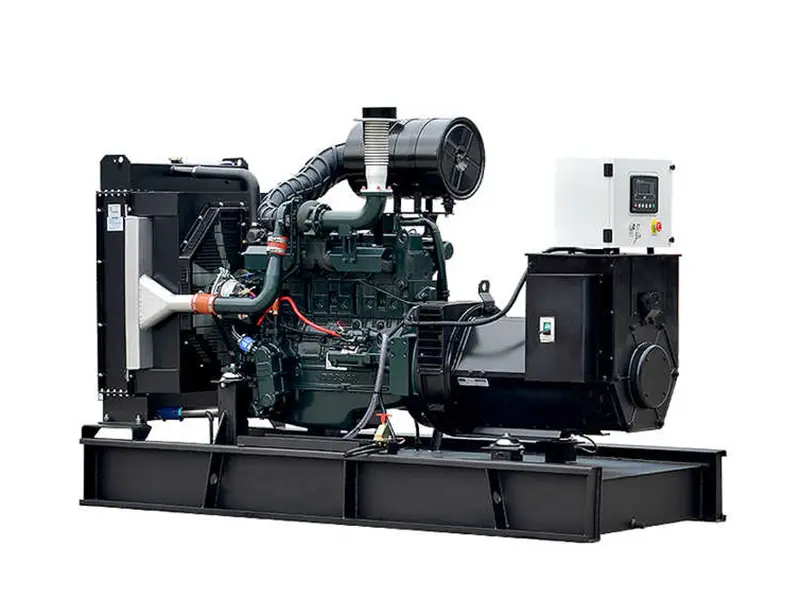 Diesel Generator Sets with Doosan Engines
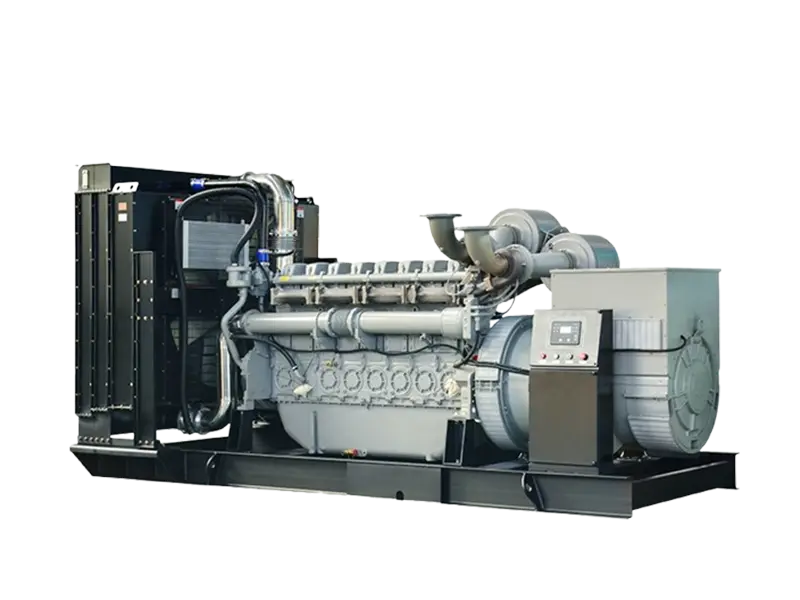 Diesel Generator Sets with Perkins Engines, XHZP Series
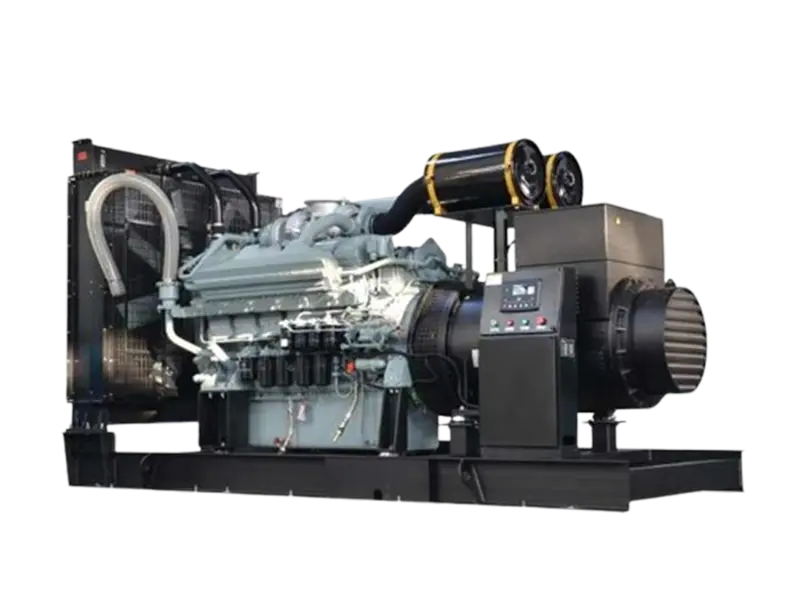 Diesel Generator Sets with Mitsubishi Engines
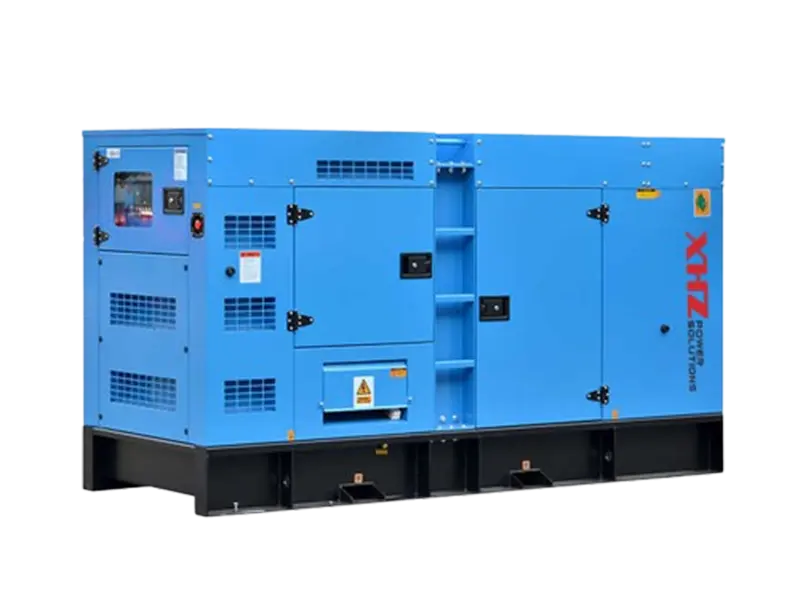 Silent Diesel Generators
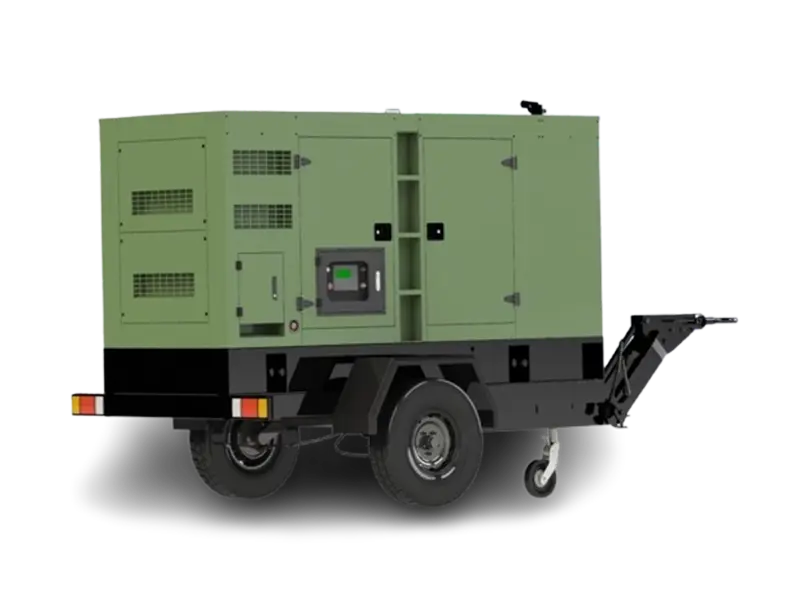 Mobile Silent Diesel Generators
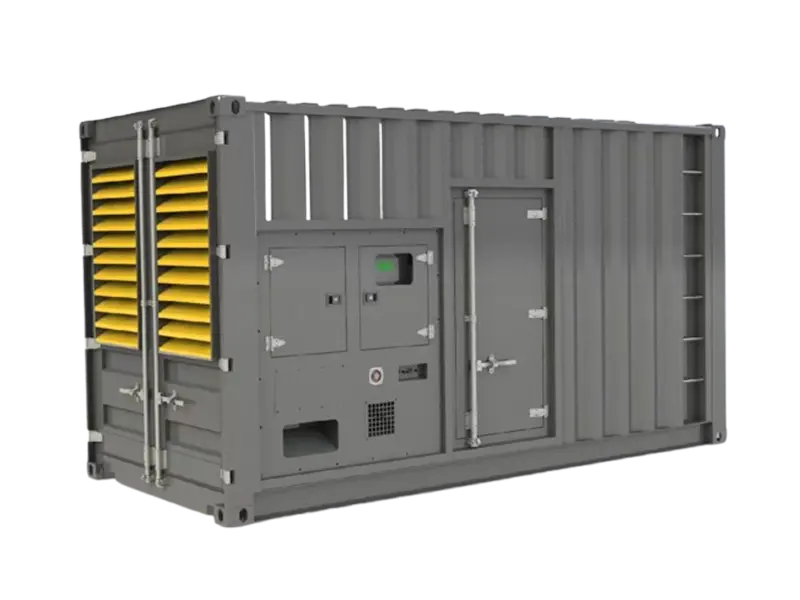 20/40HQ-Standard Container Type Generators