Top Industrial Diesel Generator Manufacturers in China?
China has become a major manufacturing base for Industrial Diesel Generator equipment, serving factories, hospitals, data centers, mines, and construction sites. Its advantage is not limited to lower pricing. Mature engine supply chains, dense component networks, and large production capacity also support faster customization.
MarketsandMarkets projects the global diesel generator market will grow steadily through 2029, driven by backup-power demand, infrastructure expansion, and unreliable grid access. The International Energy Agency also identifies electricity security as a growing priority as digital services and industrial loads expand. Still, market size alone proves little. A low purchase price can hide weak alternators, poor cooling design, or difficult parts availability.
Power-generation consultant Dr. Ian Ellison explains, “A generator is reliable only when its fuel, controls, cooling, and maintenance remain reliable.” That practical point should guide any comparison of Chinese manufacturers. It is easy to admire a clean factory and impressive test figures. Field performance is harder to verify.
The best suppliers usually provide engine documentation, load-bank testing, emissions information, warranty terms, and responsive technical support. Buyers should examine noise levels, fuel consumption, automatic transfer compatibility, and performance at high altitude. Small details matter.
This guide reviews leading Chinese manufacturers through those operating realities. It considers product range, certification, export experience, service coverage, and customer evidence. No ranking is perfect. Supplier quality can vary between models, dealers, and production batches. That is why careful verification remains necessary before signing a purchase contract.
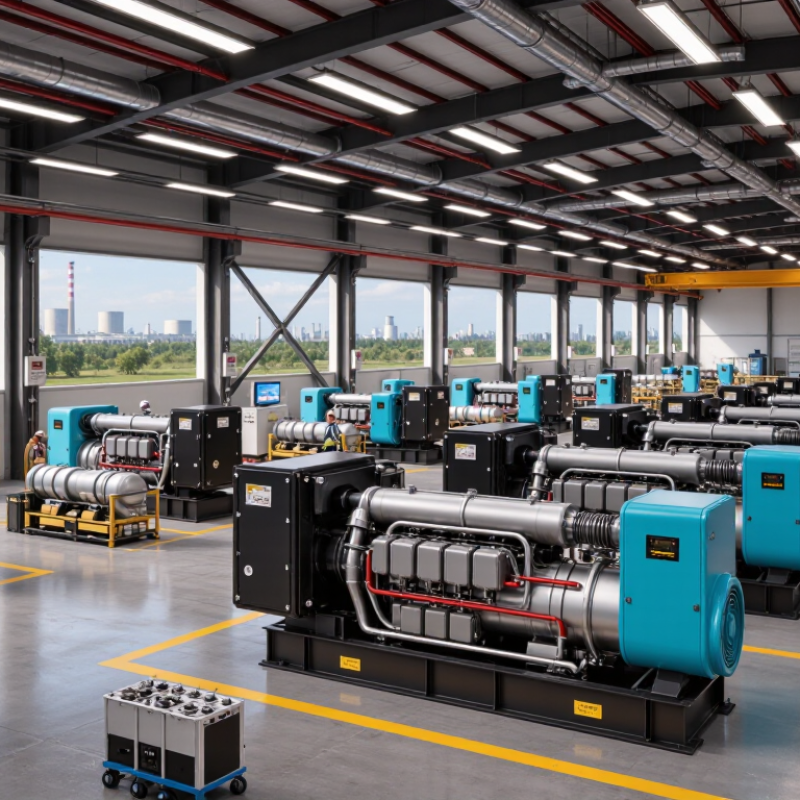
China’s Industrial Diesel Generator Market: Capacity, Demand, and 2024 Trends
China’s industrial diesel generator market entered 2024 with broad manufacturing capacity, supported by established engine, alternator, and control-system supply chains. Yet factory capacity does not guarantee immediate delivery. Large projects may require customized voltage, enclosure, or synchronization settings, which can extend lead times. Demand remains tied to infrastructure, construction, mining, and backup power needs. It is uneven across regions. Data centers and industrial facilities also value dependable standby power, but fuel efficiency and maintenance costs increasingly shape purchasing decisions.
A visible 2024 trend is closer attention to emissions, noise control, and remote monitoring. Buyers are comparing fuel use under real operating loads, not only rated output. That is sensible. A generator that runs for long hours in a dusty, hot site faces different demands from one used only during outages. However, market reports may group different generator sizes and uses together, so broad capacity figures deserve caution. This is an imperfect market picture, and local delivery or service conditions can matter as much as production scale.
Tips: Request load-test records and clarify the expected duty cycle. Check spare-parts availability, service response times, and noise limits for the installation site. Small details matter. Don’t choose output based only on peak demand; ask a qualified engineer to assess starting loads and future expansion.
Key Performance Metrics: 50–3,000 kVA Ratings, Fuel Use, and Efficiency
Industrial diesel generators in China span roughly 50 to 3,000 kVA, but the rating alone does not show how a unit will perform on site. Check whether the figure describes standby, prime, or continuous output. These ratings represent different operating conditions. Also confirm the stated power factor, since kVA is not the same as usable kW. A 500 kVA set may not suit a facility that needs that much continuous real power.
Fuel use should be compared at several load points, such as 50%, 75%, and 100%. Request consumption figures in litres per hour, alongside the test conditions and fuel specification. Consumption does not fall in direct proportion to load; lightly loaded operation can be less efficient. Ambient heat, altitude, maintenance, and load changes also affect results. A neat catalog figure can still mislead. Ask for documented test data and clarify how the set handles your actual duty cycle.
Tips: Match the generator’s rating to measured demand, not just peak estimates. Leave room for motor-starting surges, but avoid excessive oversizing. Compare fuel figures at the same load and conditions. If the supplier cannot explain a number clearly, pause and verify it.
Industrial Diesel Generator Benchmarks: 50–3,000 kVA
Indicative fuel use and electrical efficiency at 75% load
Estimates use a 0.8 power factor and typical specific fuel consumption of approximately 0.25–0.27 L/kWh. Actual performance varies with engine, alternator, ambient conditions, and load; these figures are general benchmarks, not manufacturer test data.
Leading Chinese Manufacturers by Power Range, Standards, and Global Reach
Chinese industrial diesel generator manufacturers serve projects ranging from small backup units to large power systems. In the 10–100 kVA range, buyers often prioritize compact enclosures, simple controls, and reliable starting in cold or damp conditions. Mid-range sets, roughly 100–500 kVA, commonly support factories, commercial buildings, and construction sites. Larger units may suit plants or data facilities, but installation design becomes critical. Ratings depend on whether a set is specified for standby or prime operation. Check the duty rating, not just the headline number.
Standards and documentation help compare suppliers.
ISO 8528 addresses generator-set performance, while ISO 9001 concerns a manufacturer’s quality management system; neither replaces a clear test report. Confirm applicable emissions rules, electrical requirements, and conformity documents for the destination market. Details matter. Ask for load-test records, wiring diagrams, component specifications, and warranty terms. For overseas projects, assess spare-parts availability, technician response times, and manuals in a usable language. A polished brochure is not proof of field reliability. A factory visit or witnessed test can reveal assembly quality, though it may not predict every site condition. Check the details.
Quality Comparison: ISO 8528, ISO 9001, Emissions, and Noise Compliance
When comparing industrial diesel generator manufacturers in China, ask for test evidence alongside certificates. ISO 8528 covers generator-set performance, including rated output, voltage and frequency behavior, and response to load changes. Request the test conditions and results, not only a claimed rating. A set that holds frequency during a sudden motor start is more useful than a polished specification sheet. That matters.
ISO 9001 indicates a quality management system; it does not certify a generator’s output or durability. Check whether production records, component inspections, and corrective-action procedures are available. Factory audits and traceable test reports can add useful context, though paperwork alone cannot reveal every weakness. I would still want to see how the unit performs under a realistic load.
Emissions and noise depend on engine configuration, exhaust treatment, enclosure design, and operating conditions. Ask for measured figures and the test method, then compare them with the requirements at the intended installation site. For noise, confirm the distance, load, and measurement environment; a decibel value without these details is hard to interpret. One comparison can still miss something: on-site ventilation and reflective walls may change the result. Include service access and documented maintenance intervals in the evaluation, too.
Selection Criteria: Total Cost, Service Networks, Warranty, and Spare Parts
When comparing industrial diesel generator manufacturers in China, assess delivered lifecycle cost, not just the ex-works price. Price is not enough. Request a five-year cost model covering fuel at expected loads, scheduled servicing, freight, commissioning, and consumables. Ask bidders to report fuel consumption at 50%, 75%, and 100% load, with test conditions and tolerances. A low quote can conceal costly filters, proprietary controls, or long import delays.
Service coverage is a measurable risk. Uptime Institute’s 2024 Annual Outage Analysis reported that 54% of respondents’ significant outages cost more than $100,000, while 16% exceeded $1 million. This is data-center evidence, not a factory-wide estimate, but it shows why response time matters. Request regional technician coverage, escalation contacts, response-time commitments, and load-bank test records. Warranty length alone proves little. Check coverage for labor, travel, controller parts, and standby-operation failures. Clarify exclusions for poor fuel or infrequent exercise.
Spare parts determine recovery. Lead time matters. Request a priced two-year critical-parts list, local stock locations, replenishment times, and serial-number traceability. Verify availability of injectors, filters, sensors, voltage regulators, and control boards. ISO 8528 ratings help define generator performance, but they do not guarantee service quality. I still find parts planning easy to underweight: a stocked filter is visible, while a missing control board can halt a site. Compare bids against identical duty cycles and documented assumptions.
Top Industrial Diesel Generator Manufacturers in China? - Selection Criteria: Total Cost, Service Networks, Warranty, and Spare Parts
| Selection criterion |
Suggested weight |
What to compare |
Evidence to request |
Practical evaluation |
| Total cost of ownership |
25% |
Purchase and installation costs, fuel consumption at the required load, scheduled maintenance, consumables, and expected downtime costs. |
Itemized quotation; fuel-consumption data at specified load points; maintenance schedule; exclusions and commissioning costs. |
Compare lifecycle costs using the same operating hours, load profile, fuel price, and evaluation period. |
| Service network and response |
20% |
Availability of trained technicians, service coverage at the installation site, support hours, and escalation arrangements. |
Service-location list; technician qualifications; written response-time commitments; references for comparable installations. |
Confirm support coverage for the actual site and obtain response commitments in writing. |
| Warranty terms |
15% |
Warranty duration and operating-hour limits, start date, covered components, labor and travel coverage, and claim procedure. |
Full warranty document; exclusions; required maintenance conditions; claim-processing contacts and procedure. |
Compare the written terms rather than headline warranty duration; confirm how hours and calendar time are applied. |
| Spare-parts availability |
15% |
Availability of routine service items and critical replacement parts, ordering process, lead times, and parts identification support. |
Recommended initial spares list; parts catalogue; quoted lead times; local stock information where applicable. |
Check lead times for parts that could keep the set out of service and agree on a site-specific spares plan. |
| Technical and site fit |
15% |
Standby or prime-power rating, voltage and frequency, load steps, ambient conditions, altitude, enclosure, noise, and control-system requirements. |
Datasheet and rating definitions; load-acceptance information; drawings; sound data; confirmation of site derating where relevant. |
Match the offered configuration to the electrical load study and actual installation conditions. |
| Quality and compliance documentation |
10% |
Traceable test records, applicable emissions and safety requirements, documented inspection processes, and clear configuration records. |
Factory test report; certificates applicable to the destination and application; inspection plan; serial-number and configuration records. |
Verify that documents apply to the quoted model, configuration, destination market, and project requirements. |
Suggested scoring method: rate each criterion from 0 (unverified or unacceptable) to 5 (fully supported by evidence), multiply the rating by its weight, and add the weighted results. The weights are a comparison framework, not market statistics; adjust them to suit the project. Confirm all prices, performance figures, service commitments, warranty terms, and compliance requirements in the supplier’s current written documents.

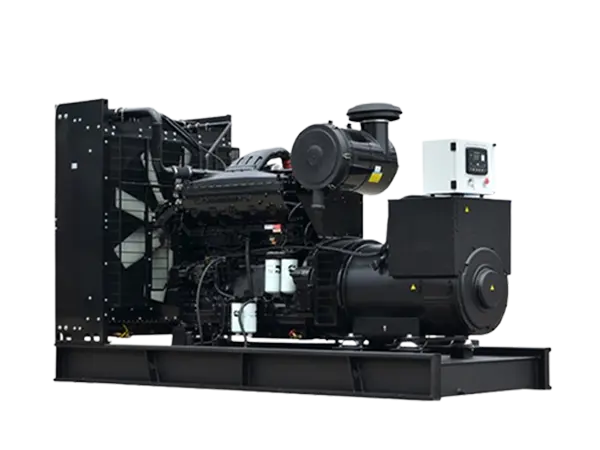 Diesel Generator Sets with Cummins Engines, XHZC Series
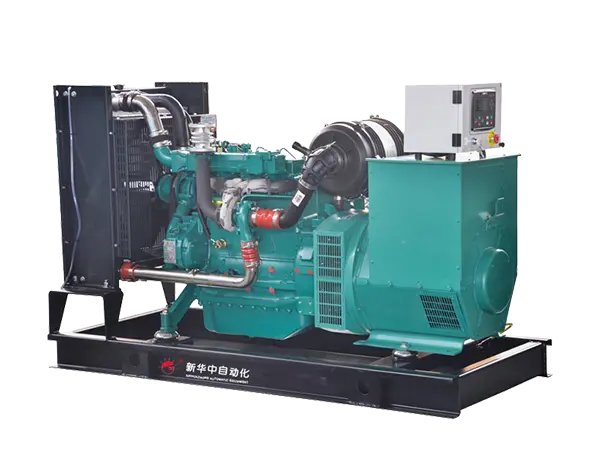 Weichai Series
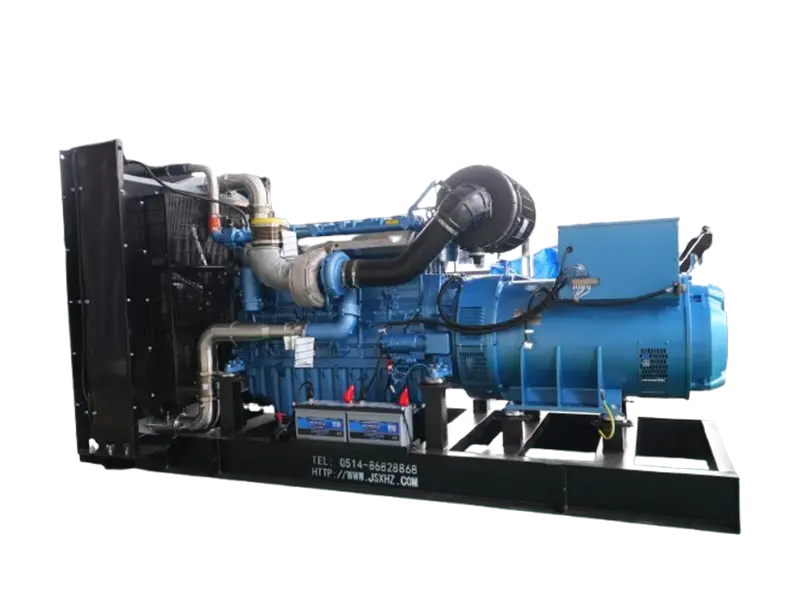 Diesel Generator Sets with WEICHAI Engines, XHZW Series
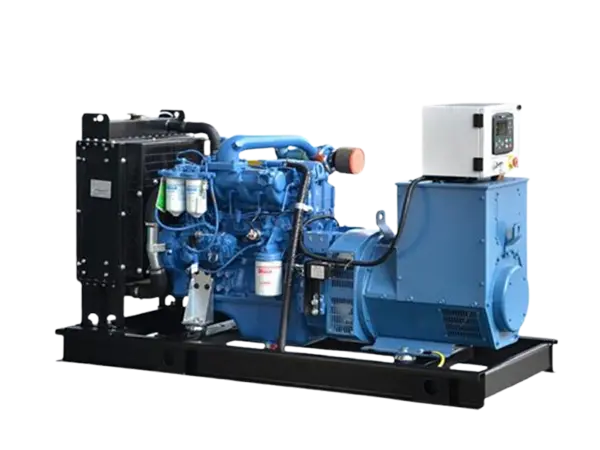 Yuchai Series
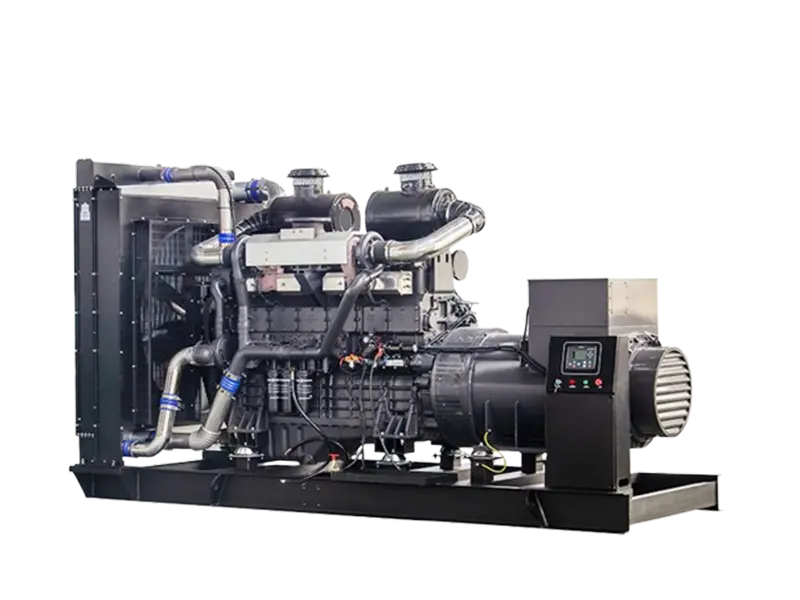 Diesel Generator Sets with SDEC(SHANGCHAI) Engines, XHZS Series
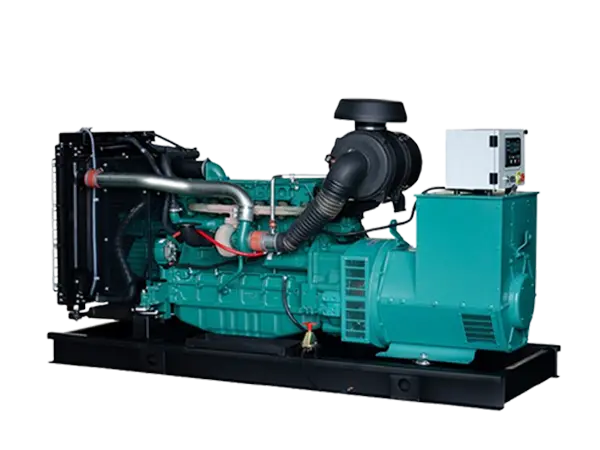 Volvo Series
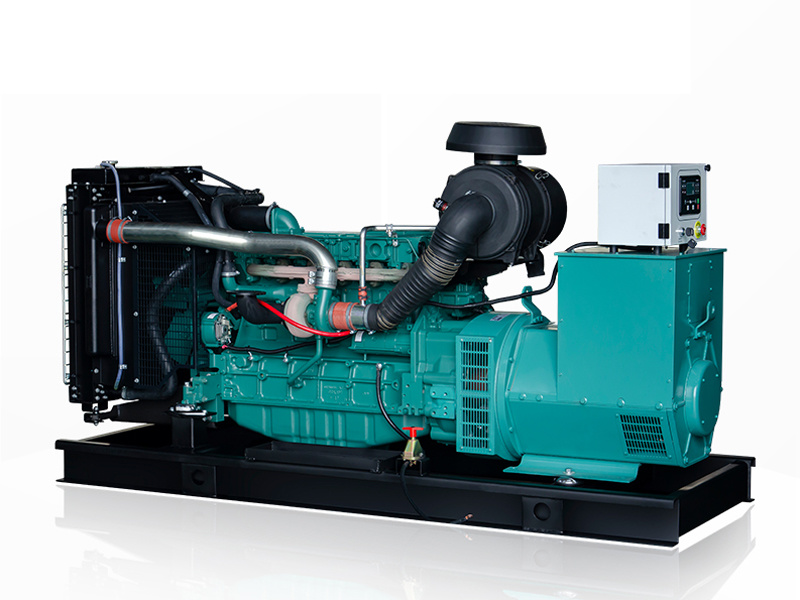 Diesel Generator Sets with VOLVO Engines, XHZV Series
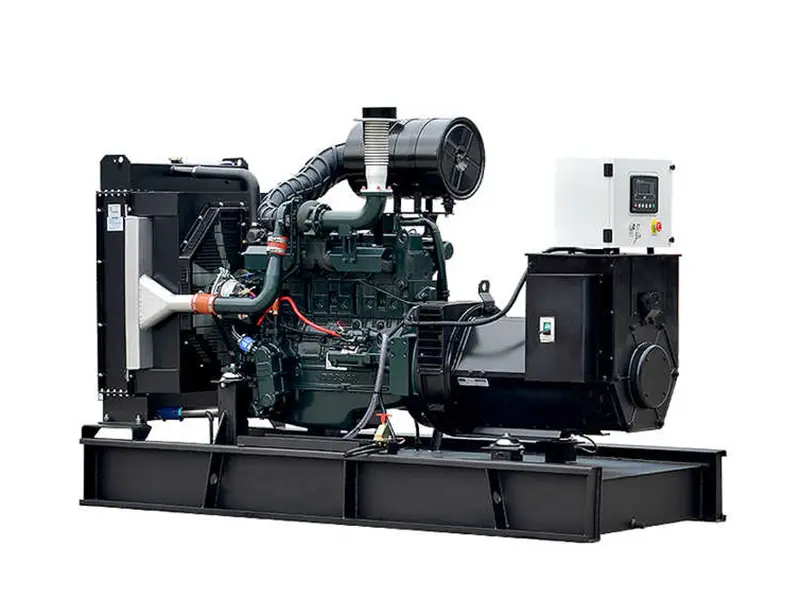 Diesel Generator Sets with Doosan Engines
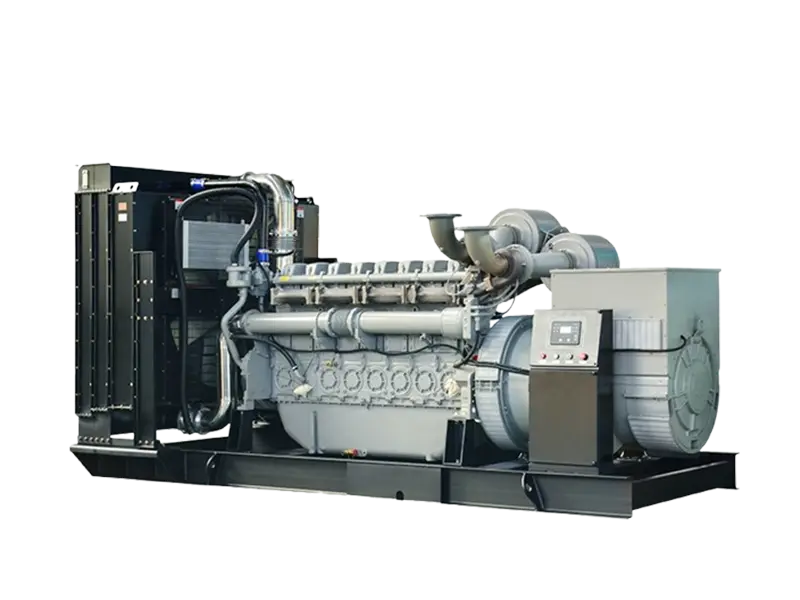 Diesel Generator Sets with Perkins Engines, XHZP Series
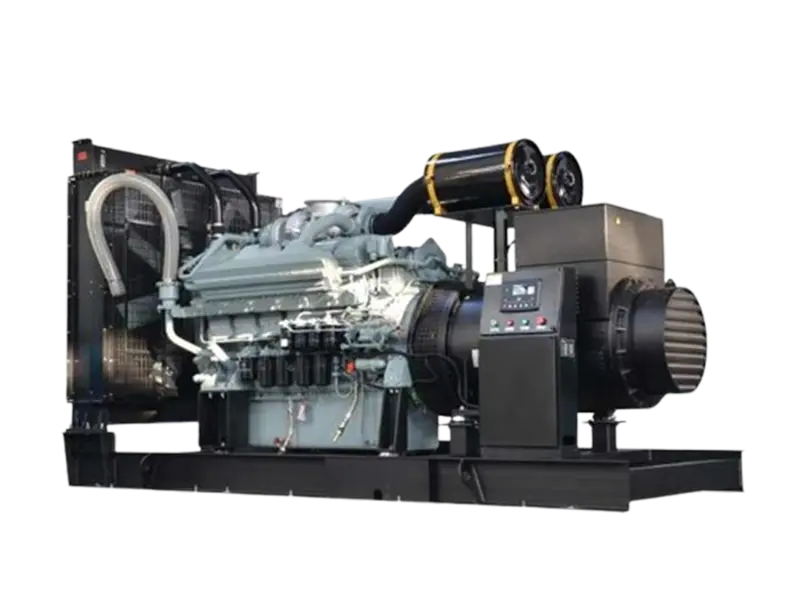 Diesel Generator Sets with Mitsubishi Engines
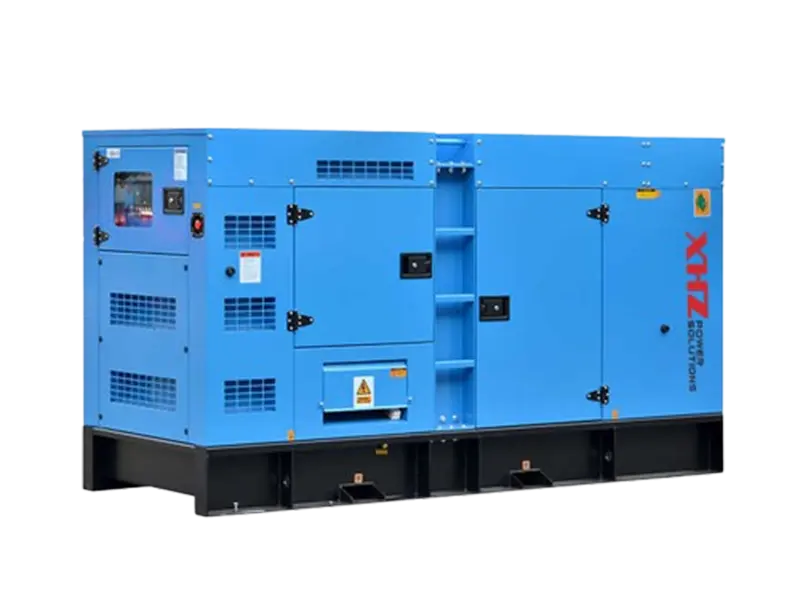 Silent Diesel Generators
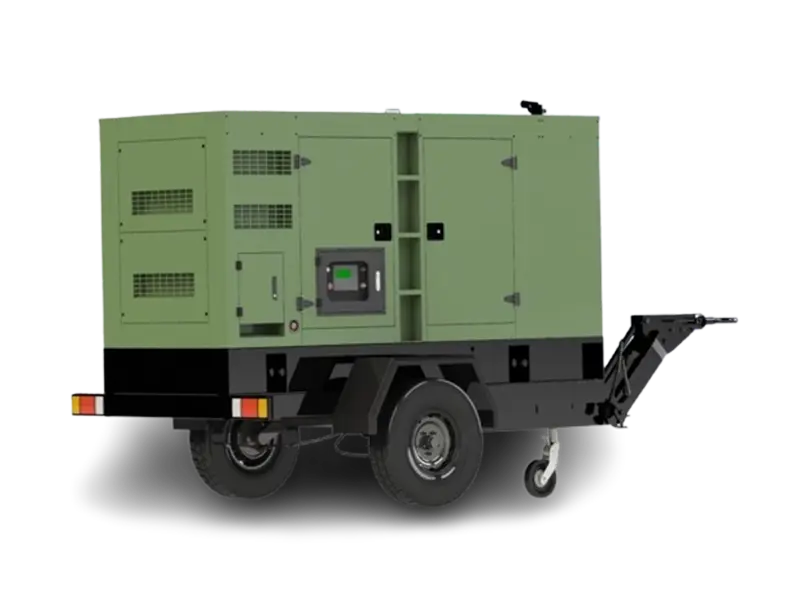 Mobile Silent Diesel Generators
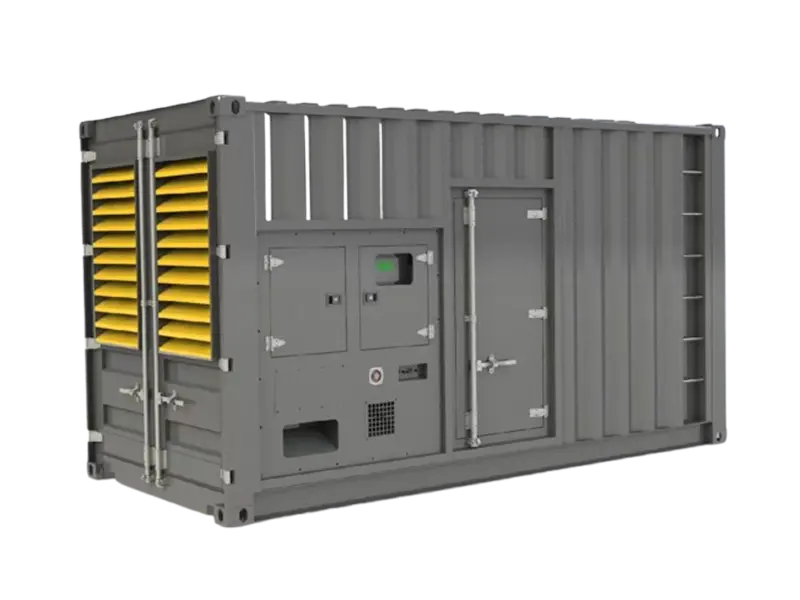 20/40HQ-Standard Container Type Generators