Top 10 Power System Generators in China for Global Buyers?
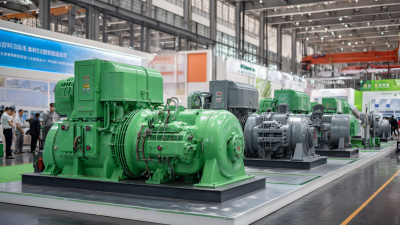
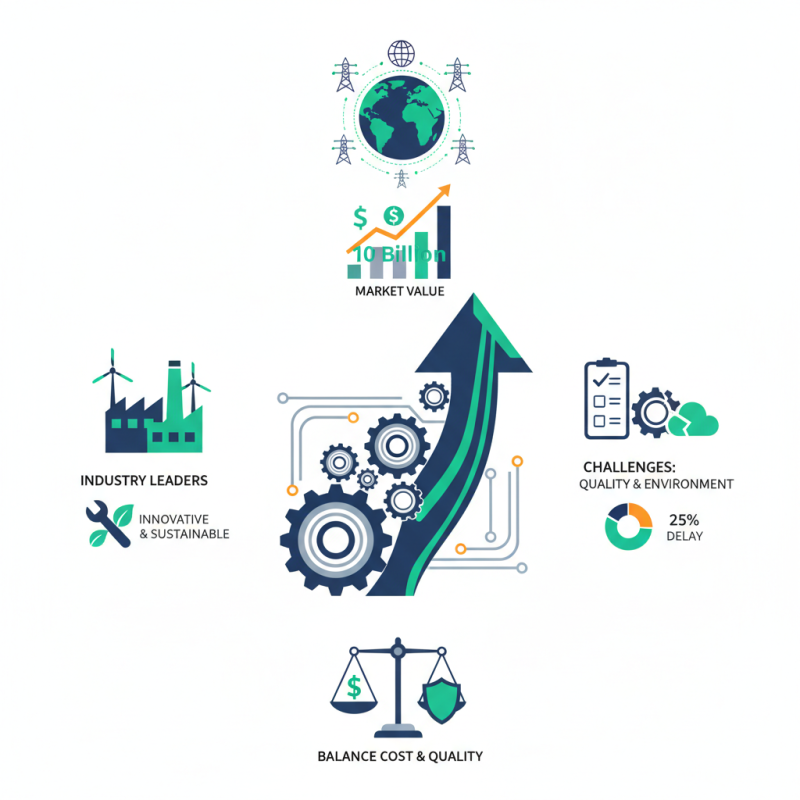
The demand for Power System Generators has surged globally, especially in China. According to the China Electricity Council, the country's generator market was valued at approximately $10 billion in 2022, reflecting significant growth. Chinese manufacturers dominate the arena, producing reliable and advanced systems for various applications. This is crucial for global buyers seeking efficient energy solutions.
Among the industry leaders, companies like Shanghai Electric and Harbin Electric stand out for their innovative designs and sustainable practices. They continue to invest in research and development. However, challenges persist. Quality control issues and environmental impacts are concerns for consumers. Reports indicate that 25% of projects face delays due to this. Hence, buyers must evaluate suppliers meticulously.
In light of these factors, understanding the landscape of Power System Generators in China becomes essential for international buyers. This knowledge aids in making informed purchasing decisions while navigating potential pitfalls. It's imperative that buyers balance cost with quality to ensure optimal performance in their operations.
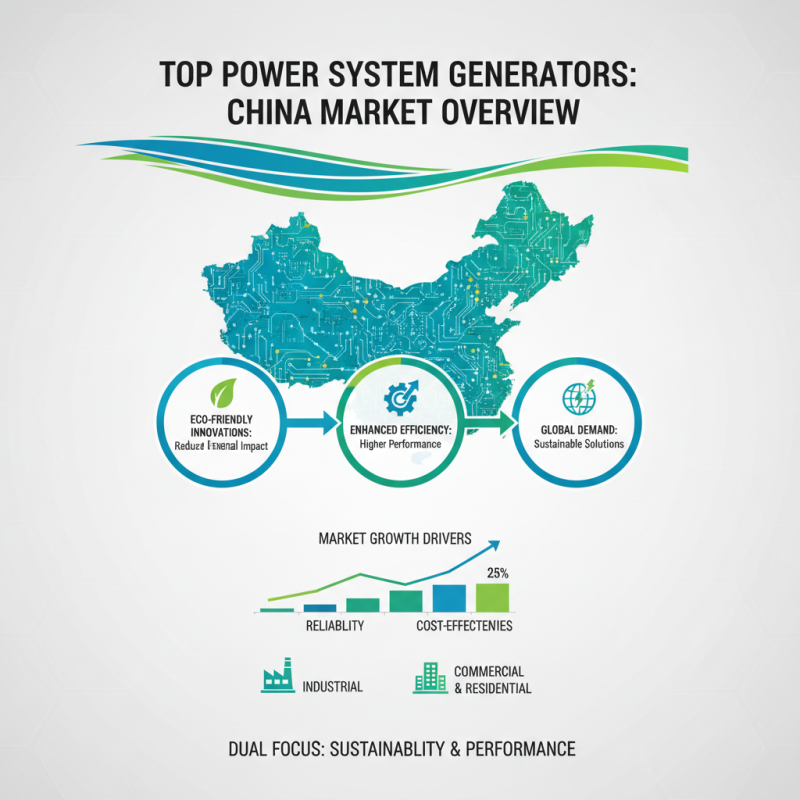
Top Power System Generators: An Overview of the Market in China
The market for power system generators in China is rapidly evolving. Manufacturers are focusing on enhancing efficiency while reducing environmental impacts. This dual approach attracts global buyers seeking sustainable solutions. The need for reliable and cost-effective energy sources drives growth across various sectors.
China’s landscape features diverse generator types, including diesel, gas, and renewable energy sources. Each has its advantages and limitations. Diesel generators are reliable but raise concerns about emissions. Gas generators offer better efficiency but depend on fluctuating fuel prices. Renewables are gaining traction, yet they face challenges in stability and infrastructure. Buyers must navigate these complexities.
Quality control and regulatory compliance are significant factors affecting the market. Many manufacturers are striving to meet international standards. However, disparities exist among producers, leading to potential buyer confusion. Educating oneself about these dynamics becomes crucial for making informed decisions. Ultimately, China’s power generator market exemplifies innovation and caution, driven by both local needs and global demands.
Key Players: Identification of Leading Power System Generator Manufacturers
China has become a powerhouse in the global market for power system generators. Several manufacturers stand out as leaders in this competitive field. They specialize in various aspects of generator technology, ensuring efficiency and reliability. Their products cater to different sectors, including renewable energy, industrial applications, and residential needs.
When choosing a generator, consider the power output requirements for your specific use. For example, larger industrial generators may not be suitable for small-scale applications. Additionally, ensure that the supplier has a solid reputation and proven track record. Researching customer reviews can offer insights into performance and service quality.
Different manufacturers focus on particular technologies, such as diesel or gas generators. Compare features such as fuel efficiency and maintenance needs. This reflection will enable you to make a more informed choice. Generators can vary significantly in price, so assess your budget carefully. A well-chosen generator can lead to long-term savings and efficiency in your operations.
Top 10 Power System Generators in China for Global Buyers
Technological Innovations: Advancements in China's Power Generation Sector
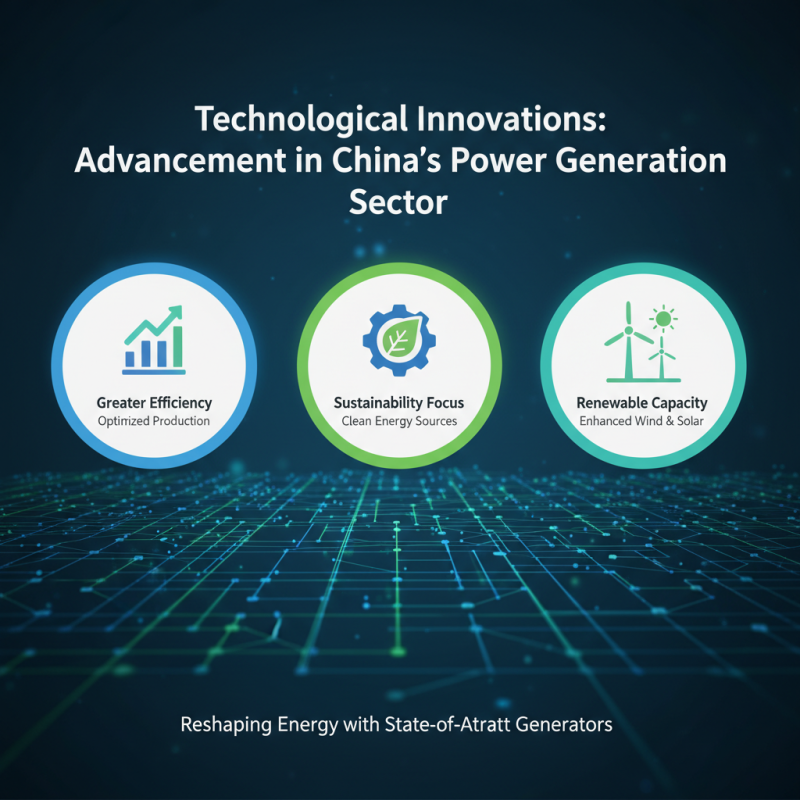
China's power generation sector is experiencing rapid technological advancements. These innovations are reshaping how energy is produced, leading to greater efficiency and sustainability. With a focus on clean energy, many companies are developing state-of-the-art generators that harness renewable sources effectively. For instance, wind and solar technologies have seen remarkable improvements in capacity and efficiency.
Tips: When exploring generators, research the latest technological trends. Look for companies that prioritize innovation and environmental sustainability.
Another notable development is the integration of smart technology. Remote monitoring and predictive maintenance are becoming standard features in modern generators. These advancements optimize performance and reduce downtime, leading to significant cost savings. Companies are also investing in artificial intelligence for better energy management.
Tips: Evaluate the technological features before purchasing. Consider how these innovations can enhance your energy strategy.
Despite these advancements, challenges remain. Some technologies may have high upfront costs, leading to hesitation among potential buyers. It's crucial to weigh the long-term benefits against initial investments. Understanding the market trends can bring clarity to these investments.
Export Opportunities: How Chinese Generators Meet Global Demands
Chinese power system generators play a critical role in the global market. These systems have evolved rapidly, demonstrating advanced technology and efficiency. Many manufacturers focus on meeting international standards, ensuring reliability and performance.
Export opportunities in this sector are significant. Chinese generators cater to various needs, from small-scale to large industrial projects. They are designed to comply with rigorous emission standards and energy efficiency benchmarks. This adaptability makes them attractive for many global buyers.
Despite their strengths, challenges exist. Some buyers may question the after-sales support and maintenance services. Trust in the supply chain can be a concern for international markets. As these issues are addressed, the potential for growth in exports remains strong.
Top 10 Power System Generators in China for Global Buyers
| Generator Type |
Power Output (MW) |
Fuel Type |
Efficiency (%) |
Emission Standards |
| Gas Turbine |
300 |
Natural Gas |
60 |
ISO 14001 |
| Diesel Generator |
500 |
Diesel |
45 |
EPA Tier 2 |
| Wind Turbine |
1500 |
Wind |
40 |
IEC 61400 |
| Solar Generator |
100 |
Solar |
22 |
IEC 61215 |
| Hydro Generator |
2000 |
Hydropower |
90 |
ISO 14001 |
| Biomass Generator |
250 |
Biomass |
35 |
EPA Tier 3 |
| Nuclear Generator |
1000 |
Nuclear |
35 |
IAEA standards |
| Combined Cycle |
450 |
Natural Gas |
58 |
ISO 14001 |
| Geothermal Generator |
50 |
Geothermal |
15 |
GS-PR |
| Tidal Generator |
5 |
Tidal |
25 |
ISO 14001 |
Market Trends: Current and Future Perspectives for Buyers in the Industry
In the ever-evolving landscape of power system generators in China, buyers must stay informed about current and emerging trends. The industry is witnessing a notable shift toward renewable energy sources, spurred by global sustainability goals.
Solar and wind-powered generators are increasingly becoming the focus. This transition presents both opportunities and challenges for buyers navigating the market.
Investors should be aware of the fluctuating demand for traditional generators. While they still hold a significant share, their growth is stagnant. Many buyers express concerns about relying solely on conventional technology.
This scenario highlights the need for diversification in purchasing decisions. Adaptability is key as alternatives gain traction, and market conditions remain unpredictable. The potential for innovation offers hope but requires careful analysis.
Additionally, buyers must scrutinize supply chain dynamics. Recent disruptions have highlighted vulnerabilities in procurement processes. Companies are reevaluating their sources and looking for more reliable partners.
Collaboration and communication within the industry are essential to mitigate risks. As the landscape transforms, understanding these trends will be crucial for informed purchasing.

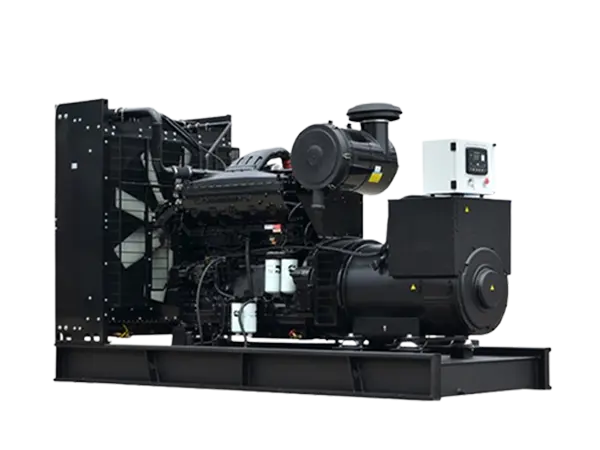 Diesel Generator Sets with Cummins Engines, XHZC Series
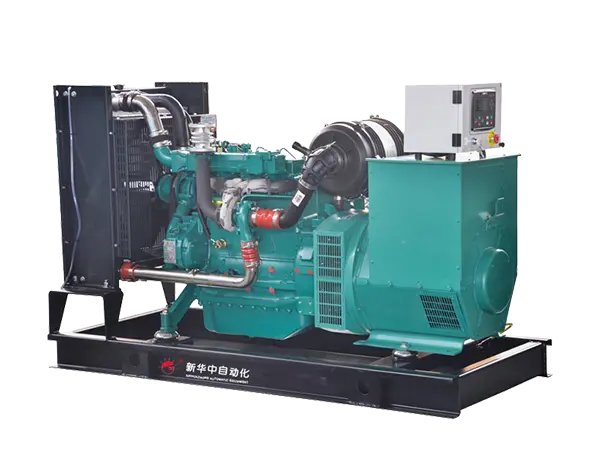 Weichai Series
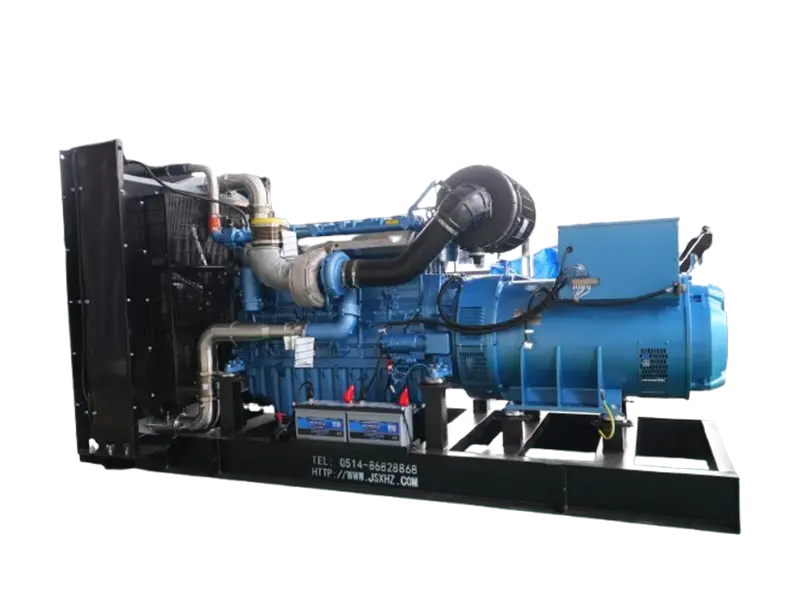 Diesel Generator Sets with WEICHAI Engines, XHZW Series
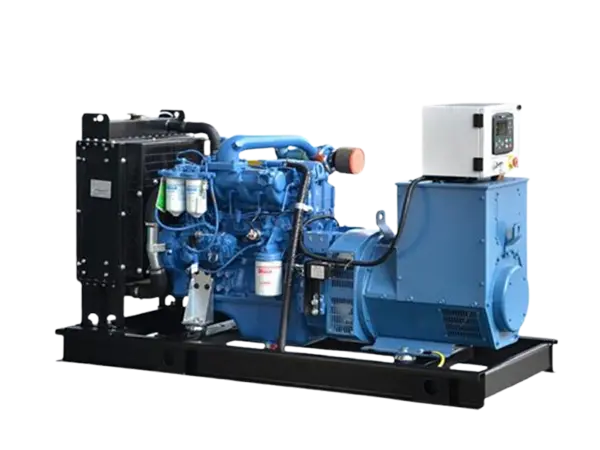 Yuchai Series
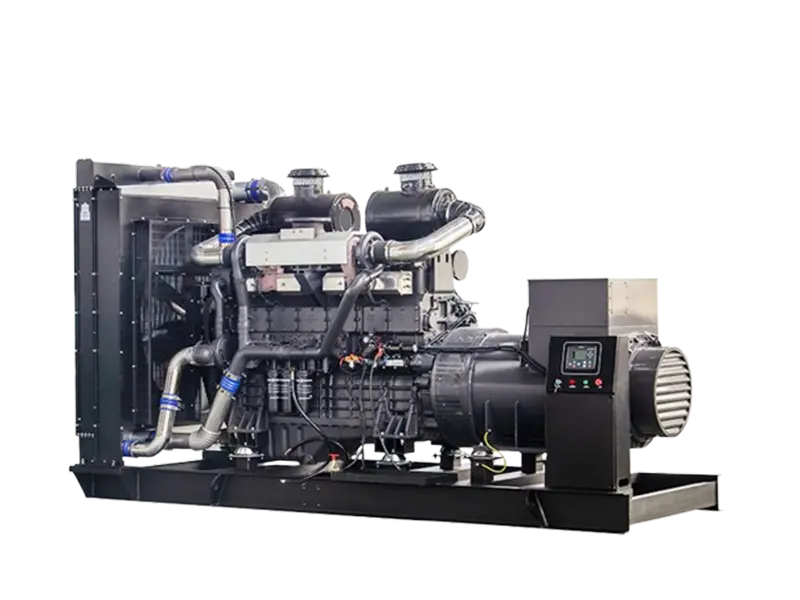 Diesel Generator Sets with SDEC(SHANGCHAI) Engines, XHZS Series
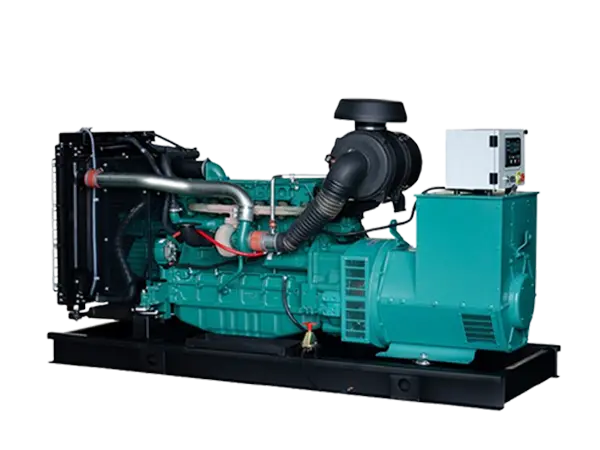 Volvo Series
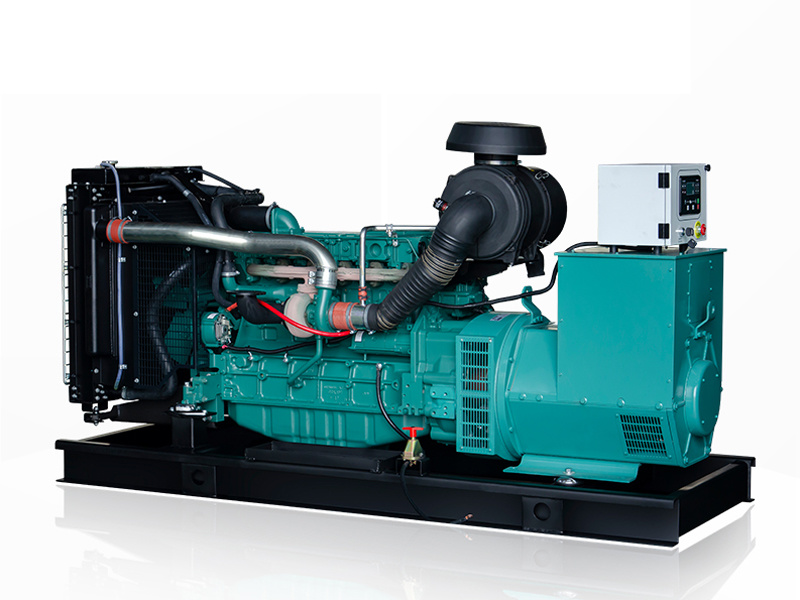 Diesel Generator Sets with VOLVO Engines, XHZV Series
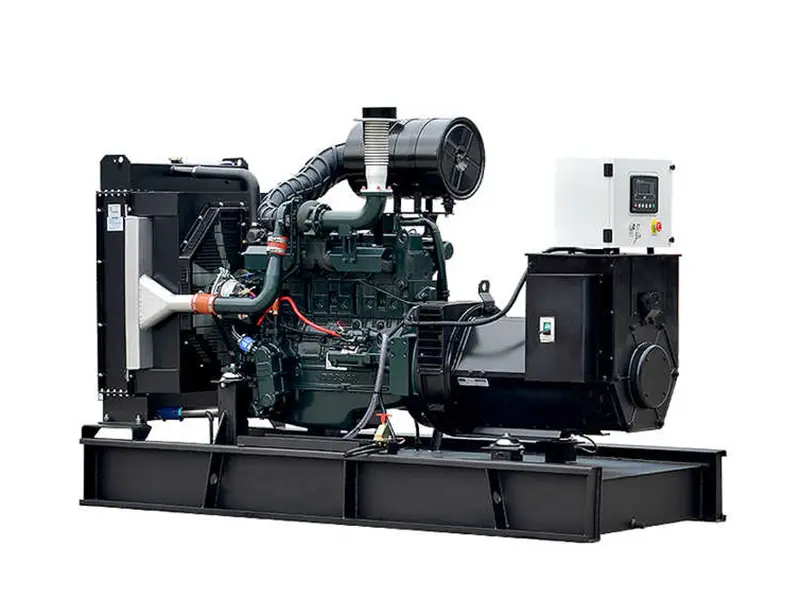 Diesel Generator Sets with Doosan Engines
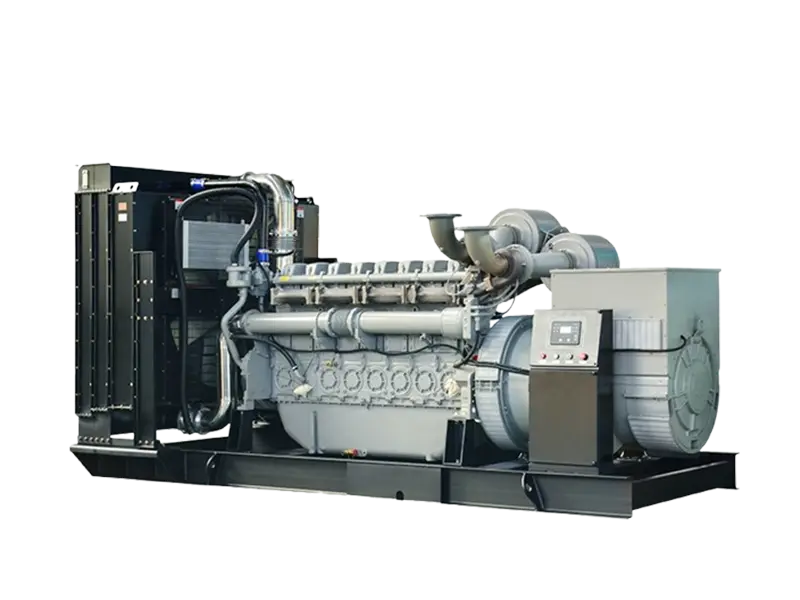 Diesel Generator Sets with Perkins Engines, XHZP Series
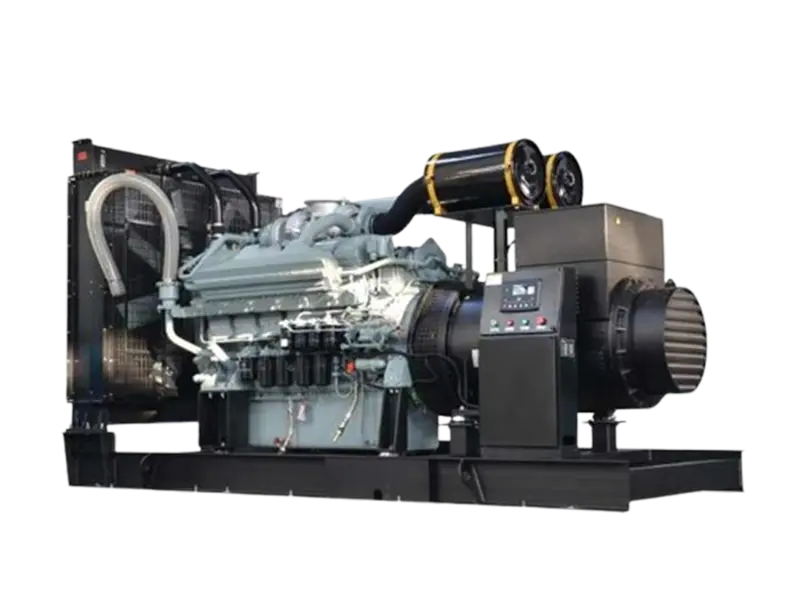 Diesel Generator Sets with Mitsubishi Engines
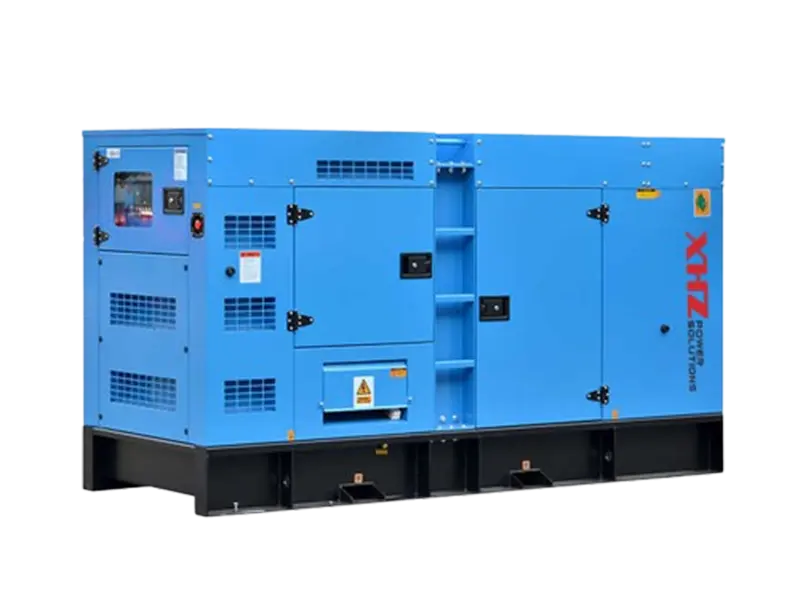 Silent Diesel Generators
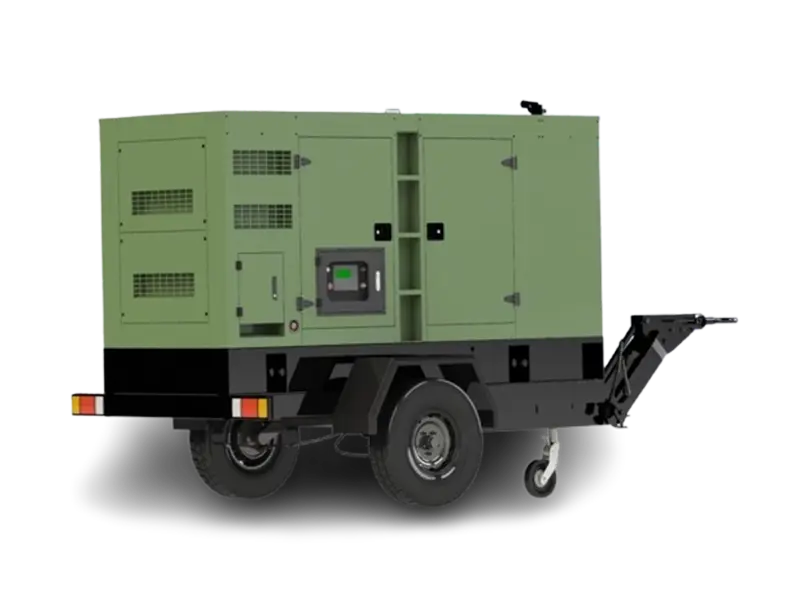 Mobile Silent Diesel Generators
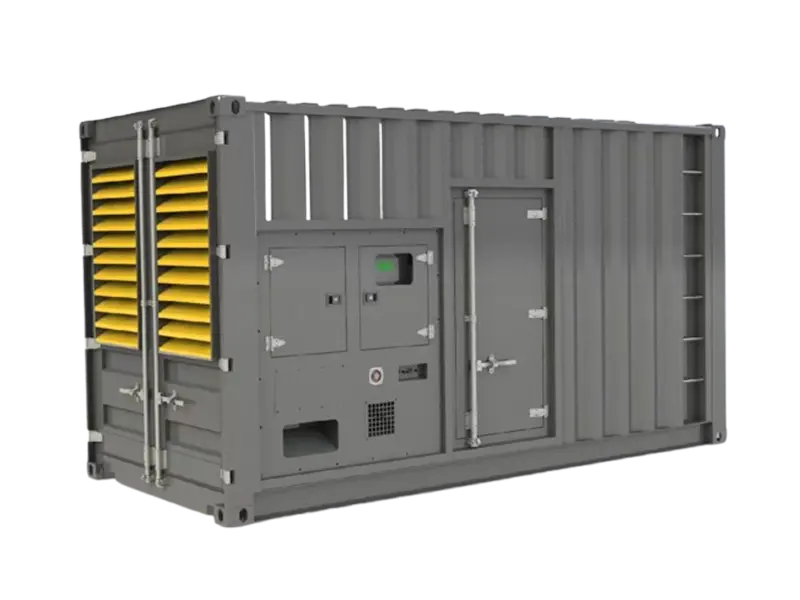 20/40HQ-Standard Container Type Generators