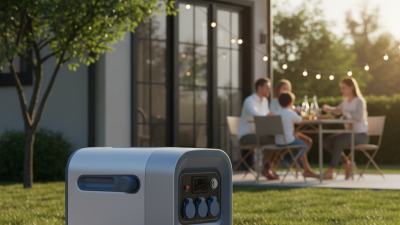
What Is a 100kW Generator and How Does It Work?
A Generator 100kw is a compact power station, not merely a large engine. It can deliver up to 100 kilowatts of electrical output when correctly configured. Inside, a diesel or gas engine turns an alternator. The alternator converts mechanical rotation into electricity. A control panel regulates voltage, frequency, alarms, and shutdown protection. An automatic transfer switch can then move essential loads from the utility supply to generator power.
The need for dependable backup power is growing. The International Energy Agency’s Electricity 2024 report expects global electricity demand to rise strongly through 2026. The U.S. Energy Information Administration also highlights increasing demand from data centers, industry, and electrification. These trends make onsite generation more valuable. However, a 100kW rating does not guarantee 100kW of usable performance. Ambient heat, altitude, fuel quality, maintenance, and motor starting currents can reduce available capacity. A neat rating can mislead.
Energy analyst Dr. Fatih Birol, Executive Director of the IEA, has stated, “The age of clean energy is upon us.” That wider shift does not make conventional backup systems irrelevant. It changes how they should be selected, operated, and integrated. A properly sized Generator 100kw can support pumps, refrigeration, workshops, telecom equipment, or a small commercial building. It may also work beside batteries and renewable systems. The real question is not simply, “How much power?” It is, “For which loads, for how long, and under what conditions?” This guide examines how a 100kW generator works, what its rating really means, and where common sizing assumptions fail.
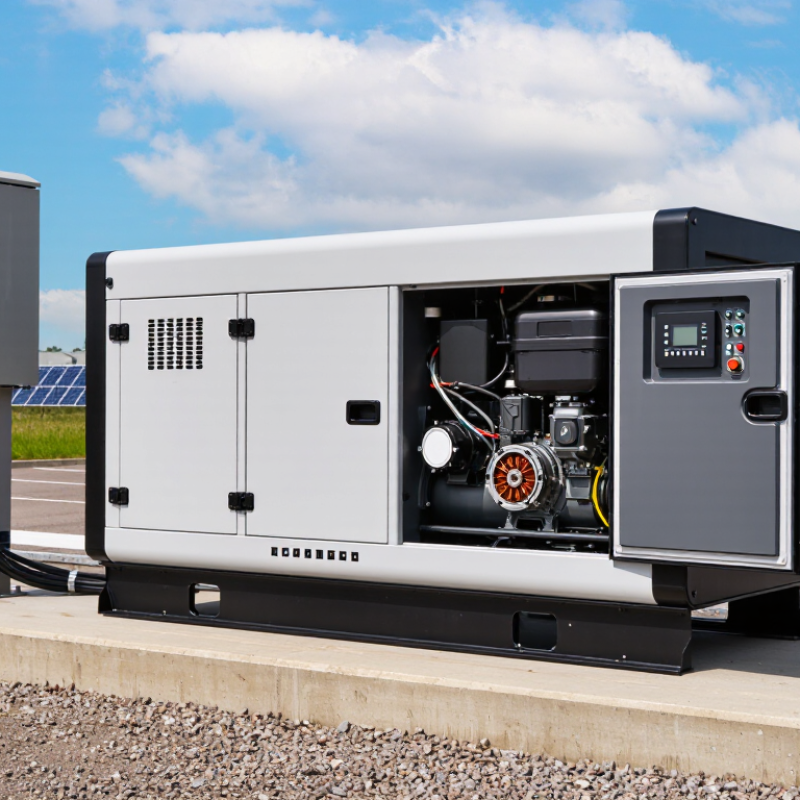
What a 100kW Generator Is and What Its Power Rating Means
What Is a 100kW Generator and How Does It Work?
A 100kW generator can deliver up to 100 kilowatts of electrical power. Its rating describes useful output, not fuel consumption or physical size. The unit usually combines a diesel or gas engine with an alternator. The engine turns the alternator, which converts mechanical energy into electricity. An automatic voltage regulator helps keep the voltage stable.
The 100kW figure needs careful interpretation. A generator may provide 100kW continuously under prime conditions, or only during short emergency use under standby conditions. The difference matters on construction sites, farms, workshops, and commercial buildings. Power factor also affects performance. At a 0.8 power factor, 100kW equals about 125kVA. That is why many specifications show both values.
The rating sounds exact, but real conditions rarely are. High temperatures, altitude, poor maintenance, and restricted airflow can reduce available output. A practical load calculation should include motors, heaters, lighting, and starting currents. Large motors may briefly demand several times their running power. That surge can cause voltage dips. It can also overload an undersized unit. A 100kW generator running near its limit may consume more fuel and suffer faster wear. Leaving moderate capacity is usually safer, though not always cheaper. I would also question estimates based only on nameplate labels. Actual site measurements can reveal surprising demand changes during a normal working day.
The Main Components That Make Up a 100kW Generator
A 100kW generator converts mechanical energy into electrical power. Its engine burns fuel and turns a crankshaft. The alternator then changes this rotation into electricity through electromagnetic induction. In practical installations, the engine and alternator sit on a rigid steel frame. Rubber mounts reduce vibration, although they never remove it completely.
The fuel system includes a tank, pump, filters, and injection equipment. Clean fuel matters because blocked filters can cause unstable output. A radiator, coolant pump, and fan control engine temperature during long operation. The lubrication system protects moving parts with filtered oil. Meanwhile, the exhaust system carries hot gases away from the engine. It also reduces noise and directs fumes safely outdoors. The control panel monitors voltage, frequency, oil pressure, coolant temperature, and battery condition. An automatic transfer switch can start the generator when the main supply fails. However, settings must match the connected load.
Tips:
Inspect oil, coolant, belts, and battery terminals before every major use. Test the generator under load, not only at idle. Keep ventilation openings clear. I have seen small airflow restrictions create surprising heat problems. Load balance also deserves attention, especially with motors and pumps. A 100kW rating does not mean every appliance can start together. Starting current may briefly exceed normal demand. Leave a sensible reserve. The exact reserve depends on the equipment, site temperature, altitude, and maintenance quality. Small oversights can become expensive.
How Fuel Energy Is Converted Into Electrical Power
A 100kW generator can deliver 100 kilowatts of electrical power at its rated load. Its engine does not create electricity directly. It burns diesel fuel, producing heat and mechanical rotation inside the crankshaft. The crankshaft turns an alternator, where a rotating magnetic field induces electrical current in copper windings. That conversion happens continuously, but never perfectly.
The U.S. Department of Energy’s Catalog of CHP Technologies reports electrical efficiencies of roughly 30% to 45% for reciprocating engines. At 35% efficiency, producing 100kW requires about 286kW of fuel energy. Diesel contains approximately 36 megajoules per litre, according to U.S. energy conversion data. This equals roughly 7.1 litres per hour under an ideal, steady full-load calculation. Real consumption is usually higher because cooling fans, pumps, exhaust heat, and alternator losses consume energy.
Load matters greatly.
A lightly loaded set may burn fuel inefficiently, even while appearing quiet and stable. The engine still needs to maintain operating temperature and speed. The U.S. Energy Information Administration identifies 3,412 British thermal units as the energy equivalent of one kilowatt-hour, but that figure describes electricity itself, not the fuel required to produce it. Field measurements can differ by 10% or more because of altitude, temperature, maintenance, and fuel quality. The estimate is useful, but not a promise.
How a 100kW Generator Regulates Voltage and Frequency
A 100kW generator converts engine power into electrical power for commercial buildings, workshops, and essential equipment. Its rated output can support substantial loads, but stable electricity depends on more than engine size. Voltage and frequency must remain within acceptable limits, especially when motors start or large heaters switch on.
An automatic voltage regulator, or AVR, monitors the generator’s output voltage continuously. When voltage falls under load, the AVR adjusts excitation in the alternator. This strengthens the magnetic field and helps restore the target voltage. If voltage rises, it reduces excitation. The correction happens quickly, although it is not perfectly smooth. Loose connections, poor maintenance, and unbalanced loads can still create noticeable fluctuations.
Frequency follows engine speed. A governor controls fuel delivery to maintain the required rotational speed, commonly producing 50 or 60 hertz. When a pump starts, its sudden demand can slow the engine briefly. The governor responds by adding fuel, while the AVR manages the related voltage change. The two systems must cooperate. One cannot correct every problem alone. In practical installations, technicians check voltage, frequency, phase balance, and power factor under real load conditions. A display may show normal readings while a motor still experiences a brief dip. That detail is easy to miss. Regular testing, correct cable sizing, and clean fuel systems improve regulation, but site conditions can still produce imperfect results.
What Is a 100 kW Generator and How Does It Work?
Voltage and frequency regulation of a typical 100 kW, 400 V, 50 Hz generator as electrical load increases. The data represents realistic operating values for a properly maintained generator using an automatic voltage regulator and an electronic engine governor.
The automatic voltage regulator adjusts excitation to keep output voltage close to its nominal value, while the governor changes engine fuel input to maintain the rated frequency. Small changes under load are normal, but excessive voltage or frequency deviation may indicate overload, unstable fuel supply, or a control-system problem.
Where 100kW Generators Are Used and How They Are Operated
A 100kW generator supplies 100 kilowatts of usable electrical power, usually rated at 125 kVA with a 0.8 power factor. It supports construction sites, agricultural facilities, telecom shelters, workshops, and small healthcare buildings. During an outage, an automatic transfer switch detects voltage loss and moves essential circuits to generator power. The engine starts, reaches stable speed, and the alternator produces electricity. It happens quickly.
Its value is clearest where downtime creates operational or safety risks. The Uptime Institute’s 2023 Annual Data Center Survey reported that 54% of serious outages caused more than $100,000 in direct and indirect losses. A 100kW unit can protect servers, pumps, refrigeration, lighting, and control systems, but only when loads are selected carefully. The International Energy Agency reported that data centers consumed about 460 TWh globally in 2022, showing why reliable backup power matters as digital infrastructure expands. Operators should calculate starting currents, fuel consumption, ventilation, and acceptable runtime before installation. A motor may briefly demand several times its running power. That detail is often missed.
Routine operation includes weekly visual checks, battery inspections, coolant monitoring, fuel-quality testing, and periodic load-bank testing. Technicians should record voltage, frequency, oil pressure, and alarm history under load. Oversizing can waste fuel, while undersizing can cause unstable voltage or shutdowns. Maintenance schedules also depend on temperature, dust, humidity, and operating hours. Real sites are rarely perfect. A neglected battery can defeat an otherwise well-designed system.

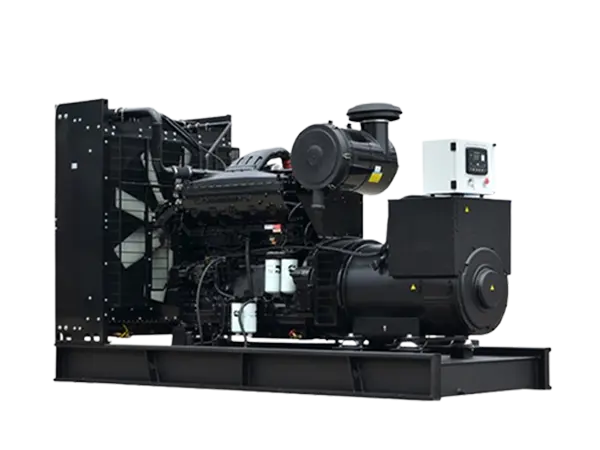 Diesel Generator Sets with Cummins Engines, XHZC Series
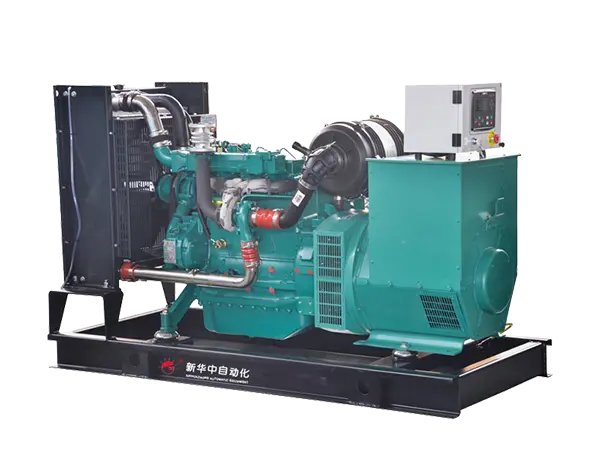 Weichai Series
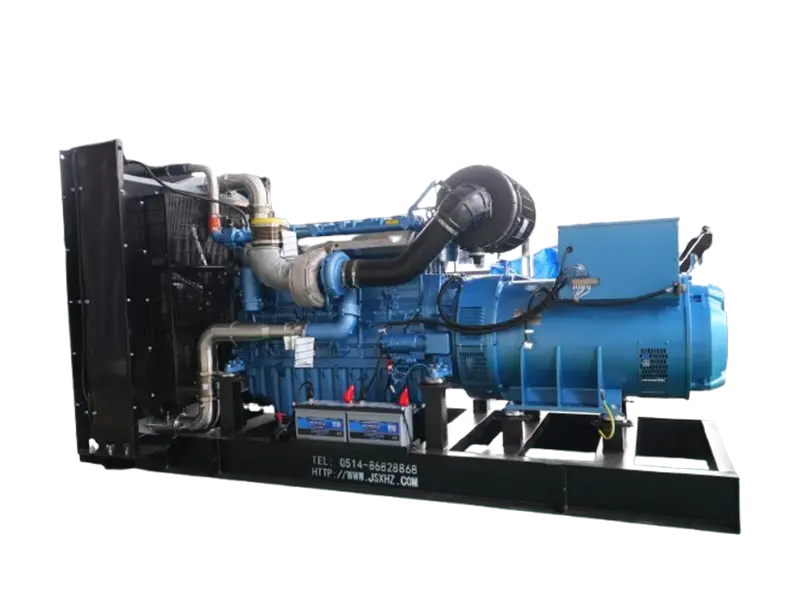 Diesel Generator Sets with WEICHAI Engines, XHZW Series
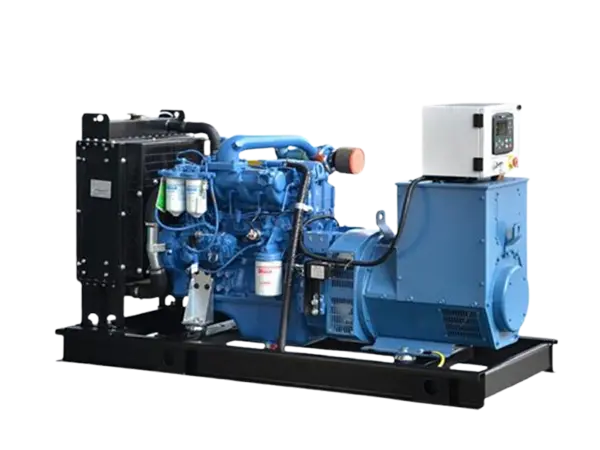 Yuchai Series
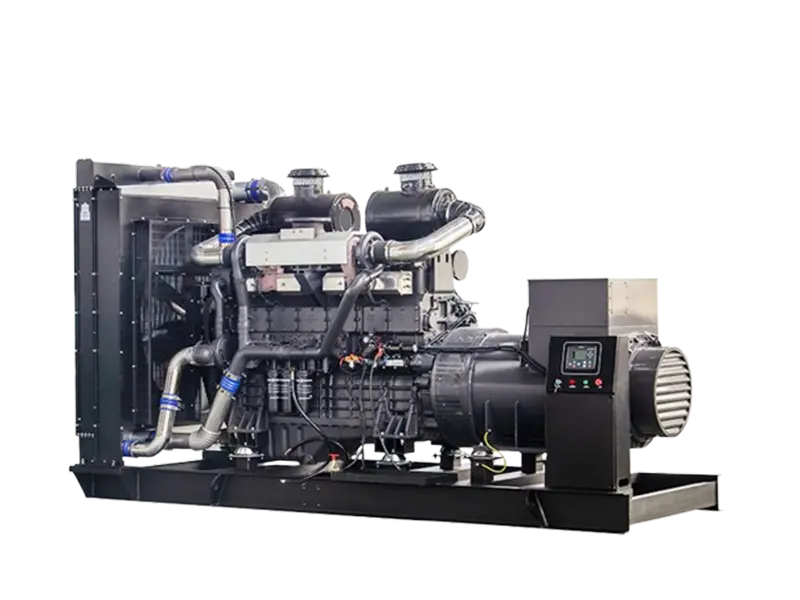 Diesel Generator Sets with SDEC(SHANGCHAI) Engines, XHZS Series
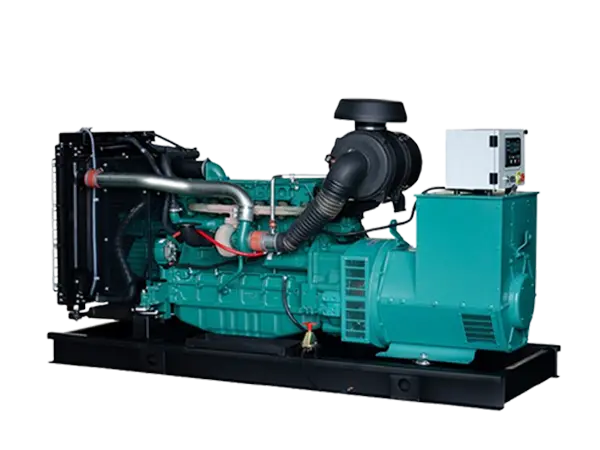 Volvo Series
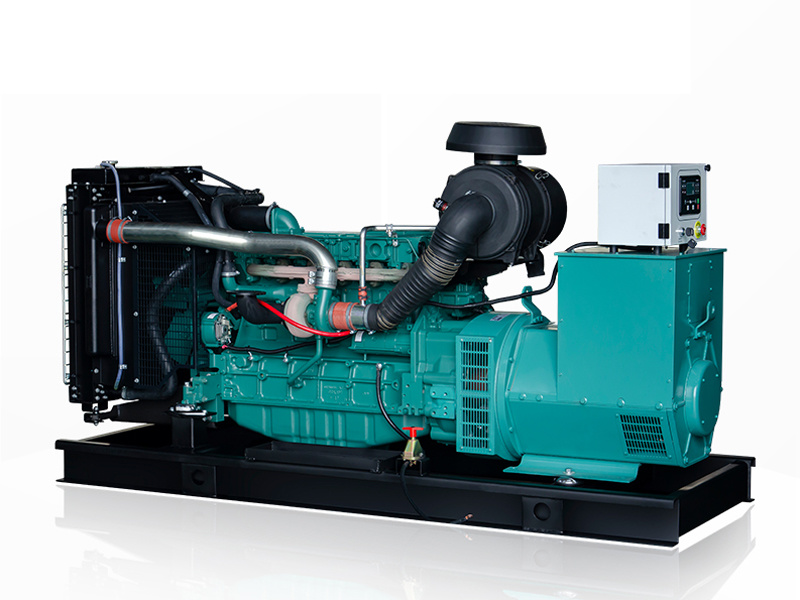 Diesel Generator Sets with VOLVO Engines, XHZV Series
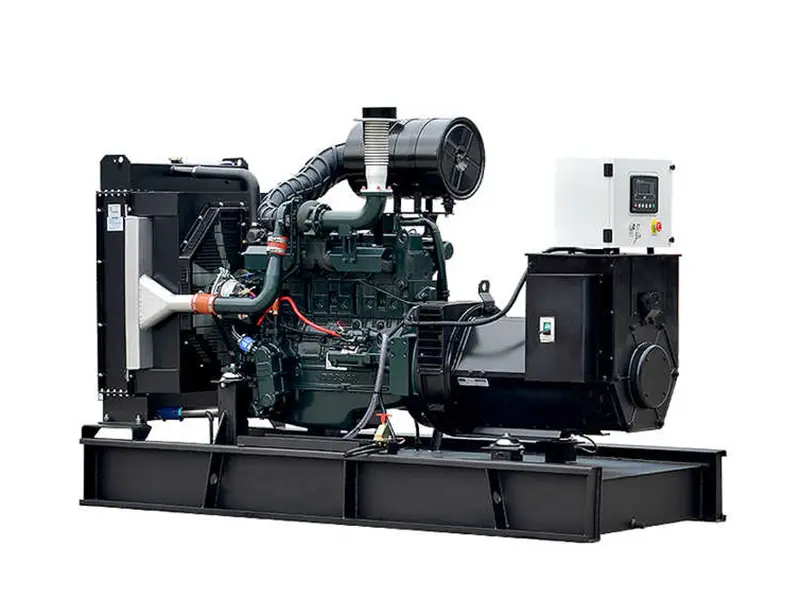 Diesel Generator Sets with Doosan Engines
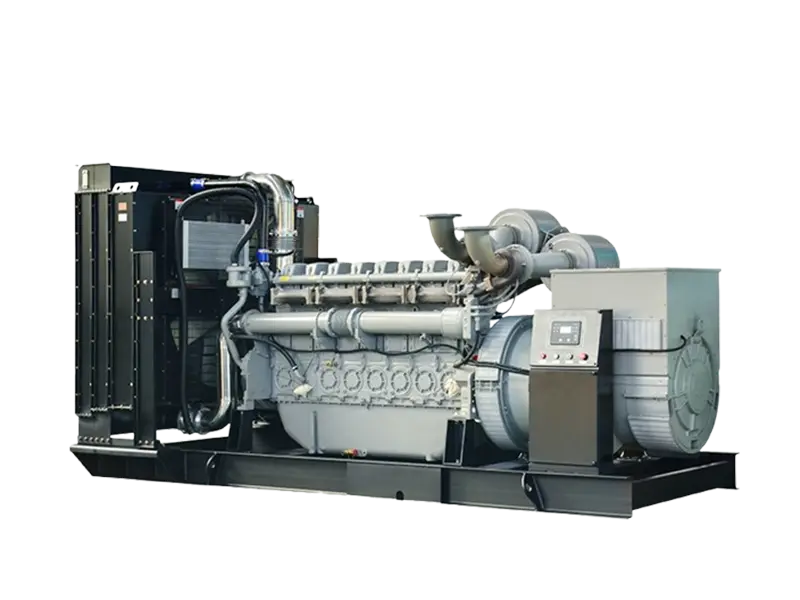 Diesel Generator Sets with Perkins Engines, XHZP Series
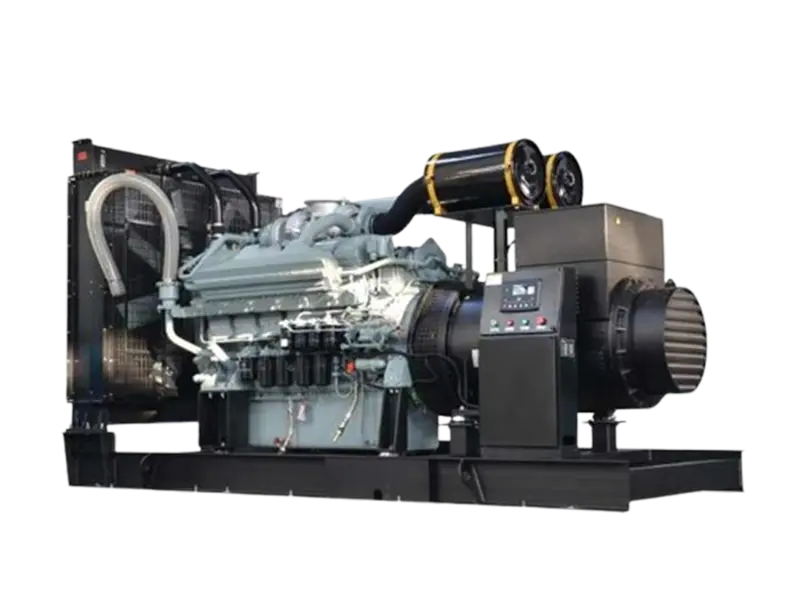 Diesel Generator Sets with Mitsubishi Engines
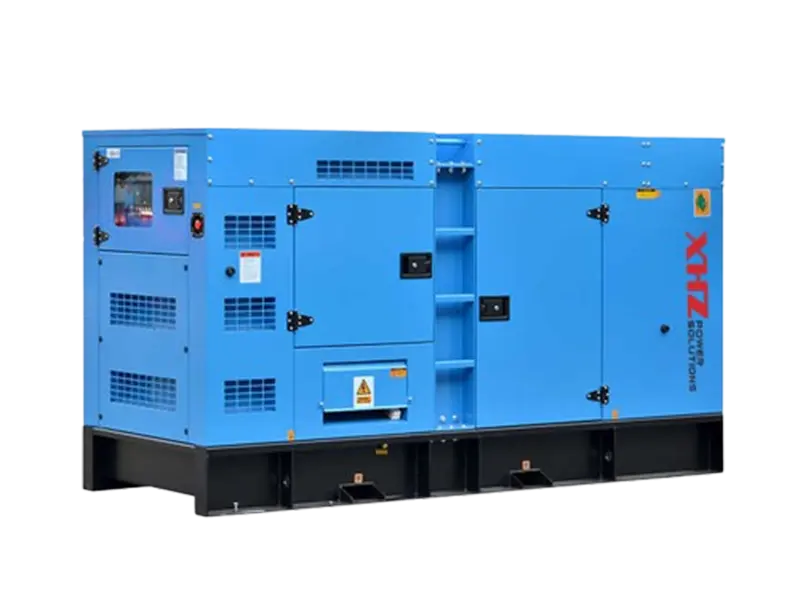 Silent Diesel Generators
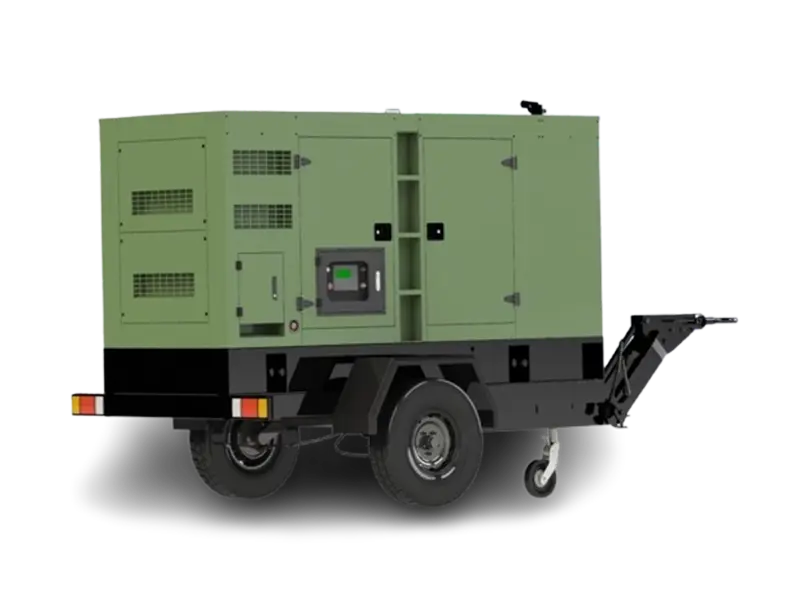 Mobile Silent Diesel Generators
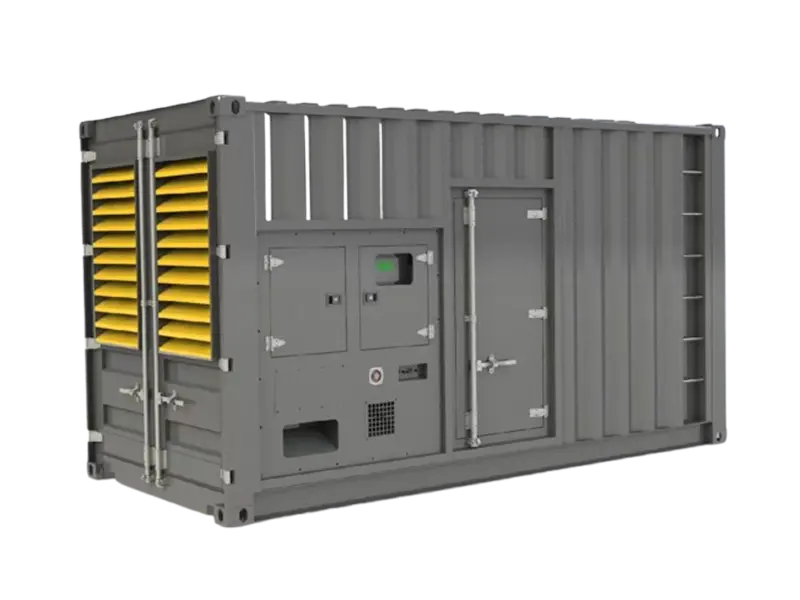 20/40HQ-Standard Container Type Generators