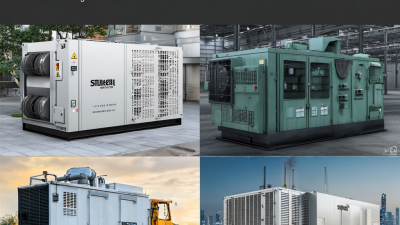
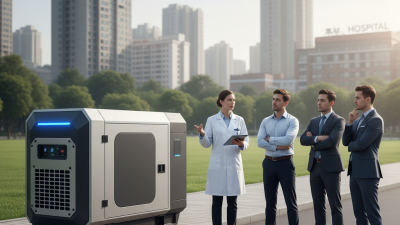
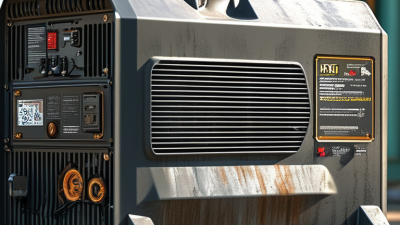
What is the Best Silent Type Generator for Your Needs?
Choosing the right Silent Type Generator can be a daunting task. Many factors come into play, including wattage, fuel type, and noise levels. It's essential to assess your needs carefully. Do you require a generator for home backup or a camping trip? Each situation demands different specifications.
Silent Type Generators offer a peaceful solution for many. They produce less noise, making them ideal for residential areas. When considering options, think about the power output. How much energy do you truly need? Underestimating this can lead to frustration.
While Silent Type Generators are generally reliable, not all models are created equal. Some may disappoint in performance or longevity. Researching user reviews can help highlight potential issues. Be prepared to weigh the pros and cons of various models. This due diligence will ensure you find the best Silent Type Generator suited for your lifestyle.
Understanding Silent Type Generators: Key Features and Benefits
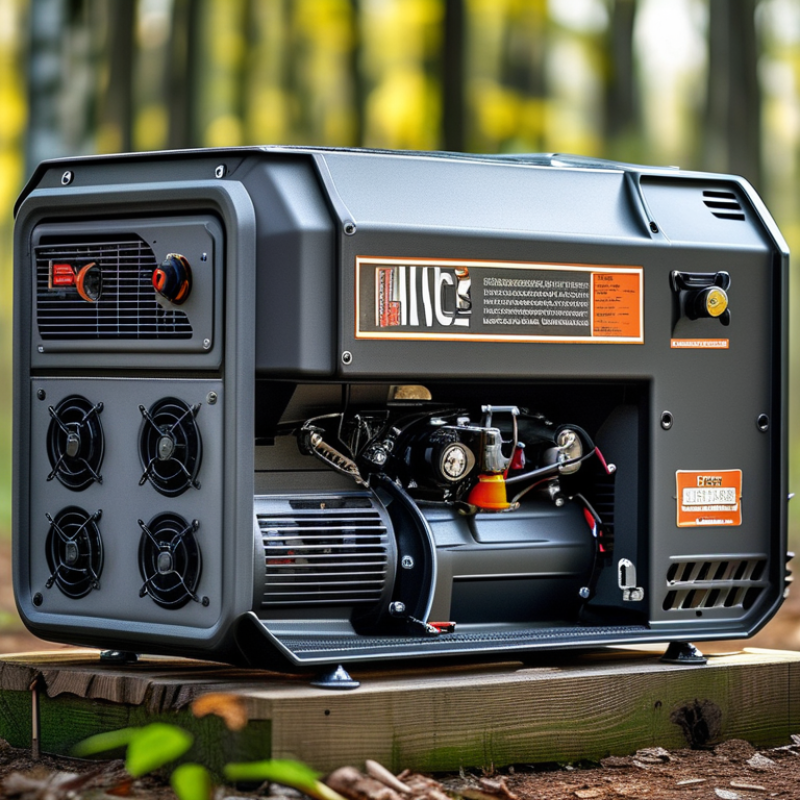
Silent type generators are becoming essential in various applications, including outdoor events and emergency backup power. Understanding their key features and benefits can greatly influence your decision. Typical models focus on noise reduction, portability, and fuel efficiency. The design often includes soundproof enclosures which help minimize operational noise. This is crucial for residential areas or events that cannot disturb the peace.
In addition to noise control, these generators are often lightweight and compact. This makes them easier to transport and store. Many users appreciate how quickly they can set up these devices. Meanwhile, fuel efficiency helps prolong operation time, which is beneficial during long power outages or events. However, not all generators are created equal. Some may overheat or require frequent maintenance, leading to frustration.
It's important to assess your specific needs before making a choice. Consider the power output required for your devices. Reflecting on your experiences can guide you to a suitable model. Balancing price and performance is vital. There are always compromises, and understanding these can enhance your decision-making process. Analyze options, consult reliable sources, and remember that a generator is an investment.
What is the Best Silent Type Generator for Your Needs?
| Generator Model |
Power Output (kW) |
Noise Level (dB) |
Fuel Type |
Runtime (Hours) |
Weight (kg) |
| Model A |
3.0 |
58 |
Gasoline |
10 |
25 |
| Model B |
5.0 |
55 |
Diesel |
12 |
30 |
| Model C |
2.5 |
60 |
Propane |
8 |
20 |
| Model D |
4.0 |
57 |
Gasoline |
15 |
28 |
Types of Silent Generators: Inverter vs. Conventional Models
When choosing a silent generator, understanding the differences between inverter and conventional models is vital. Inverter generators are compact and lightweight. They produce cleaner power, making them suitable for sensitive electronics. These generators adjust their engine speed based on the load, leading to better fuel efficiency. This feature is also beneficial for quieter operation, providing a pleasant experience during camping or outdoor events.
On the other hand, conventional generators are robust and often come at a lower initial cost. They tend to be louder than their inverter counterparts. These generators deliver consistent power output, making them reliable for heavy-duty applications. However, their fuel consumption can be higher, and noise levels may cause disturbances in residential areas.
Some users find it confusing to decide which type suits them best. It may take time to weigh the pros and cons. Factors such as portability, fuel efficiency, and power needs should guide your decision-making. A deeper understanding of your requirements may lead to better satisfaction with your choice. Reflecting on your priorities can make a significant difference in your generator's performance and your overall experience.
Noise Levels Comparison: What is Considered "Silent" in Generators?
When selecting a silent generator, understanding noise levels is crucial. Generators are often rated by their decibel (dB) output. A generator is generally considered "silent" when it operates at 50 dB or below. For context, 50 dB is comparable to a quiet library. According to the American National Standards Institute (ANSI), many portable generators can emit noise levels ranging from 55 dB to 70 dB. Higher noise levels can be disturbing, especially for residential use.
It's essential to consider where the generator will be used. In urban settings, a generator operating at 60 dB might be disruptive. However, in a more rural area, the same generator could blend into the background sounds. The noise footprint can be just as significant as power output. A study by the Noise Pollution Clearinghouse highlights that consistent exposure to noise levels above 70 dB can cause hearing damage and significant stress.
While some brands claim to be "whisper-quiet," it’s vital to look deeper into measurements. User reviews and independent tests often reveal discrepancies between advertised and actual noise levels. Thus, users must prioritize genuine specifications over marketing claims. Understanding these nuances can ensure you choose a generator that meets your noise level needs without compromising your peace.
Power Output Needs: Calculating Wattage for Your Applications
When selecting a silent type generator, calculating wattage for your applications is crucial. Various appliances and tools require different amounts of power. For instance, a standard refrigerator might use around 200 to 800 watts, while a power tool may need 1,000 watts or more. It's essential to assess your requirements accurately.
A recent industry report indicates that average household power needs range from 3,000 to 6,500 watts. Backup generators typically must accommodate such demands without compromising performance. If you’re frequently using high-starting power devices, look for a generator with at least 2,000 watts more than your peak requirement. Keep in mind, it’s just as critical to consider the runtime at your desired load.
Choosing the right silent generator also requires consideration of portability and runtime. Many users desire quiet operation for outdoor gatherings or emergency home use. Data suggests the ideal inverter generators produce no more than 60 decibels. This level is acceptable even for residential areas. Additionally, efficient fuel consumption can extend operation time, leading to a better overall experience. Balancing these factors will lead to more reliable power solutions.
Power Output Needs: Calculating Wattage for Your Applications
Top Brands and Market Leaders in Silent Generators: A Data Review
When selecting a silent type generator, it's crucial to consider market leaders based on recent data reviews. According to a report from the International Energy Agency, the demand for silent generators has surged by 25% in the past year. This growth signals a strong preference for quieter options, particularly in residential and commercial settings. The market is dominated by a few key players that focus on innovation, efficiency, and noise reduction technology.
In evaluating the best options, consider the power output, fuel efficiency, and noise level. Data shows that silent generators typically operate at 50-60 decibels, making them suitable for noise-sensitive environments. Many models boast inverter technology, enabling better fuel efficiency and stable power output. Look for models offering a runtime of over 10 hours at half load, as this reduces the need for frequent refueling.
**Tip:** Always check the generator's specifications and user reviews for real-world performance data. Assessing past user experiences can provide insights into noise levels and operational issues. Investing in a silent generator is an important decision; make sure to weigh all factors carefully before purchasing.

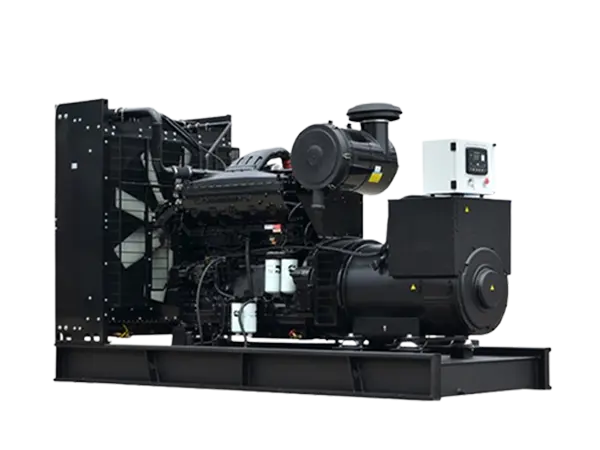 Diesel Generator Sets with Cummins Engines, XHZC Series
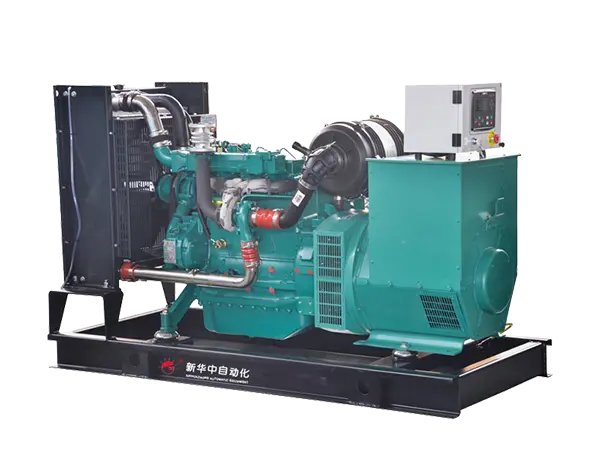 Weichai Series
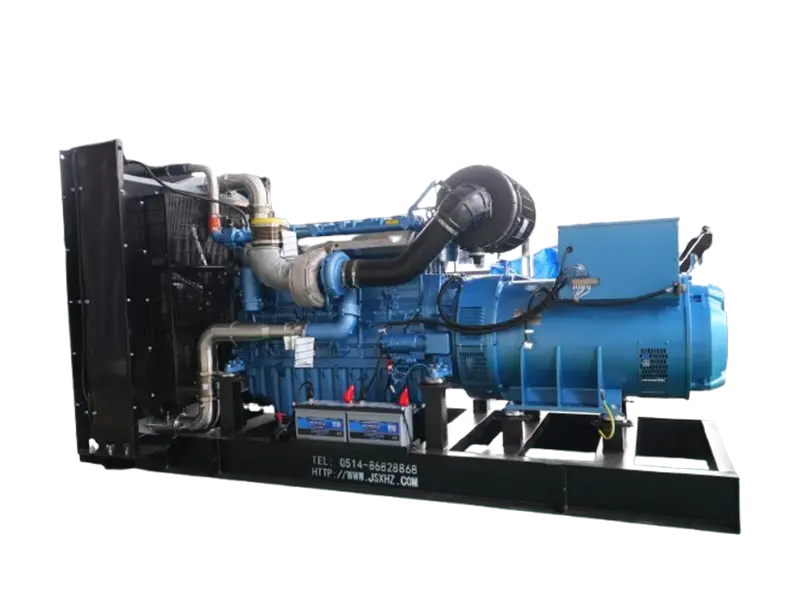 Diesel Generator Sets with WEICHAI Engines, XHZW Series
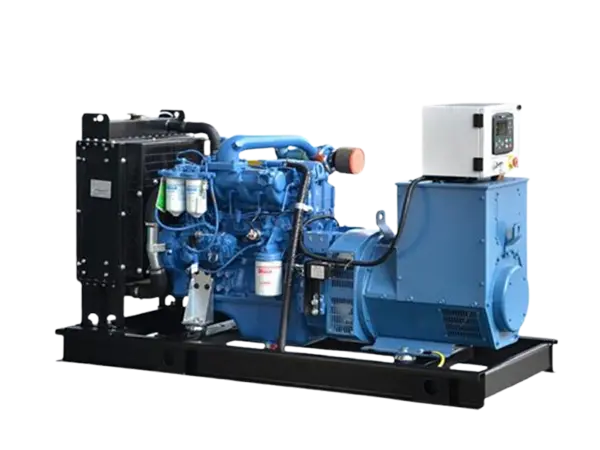 Yuchai Series
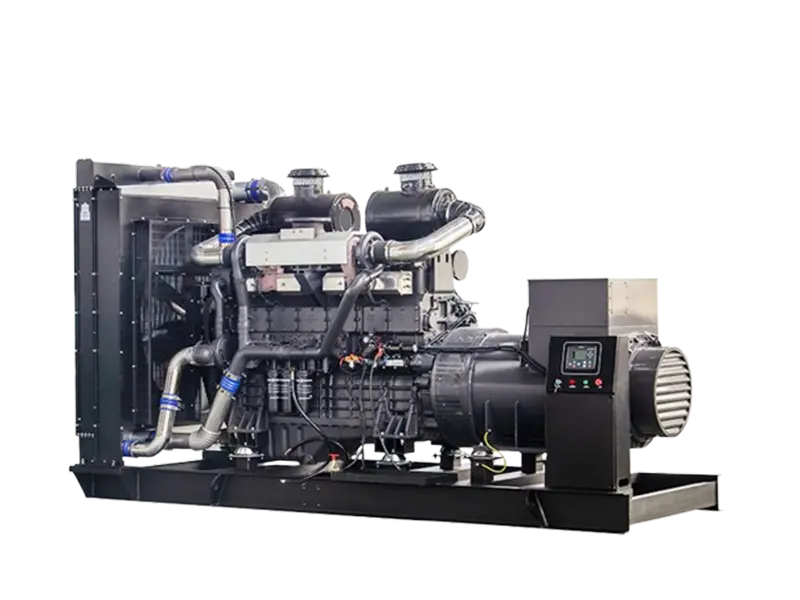 Diesel Generator Sets with SDEC(SHANGCHAI) Engines, XHZS Series
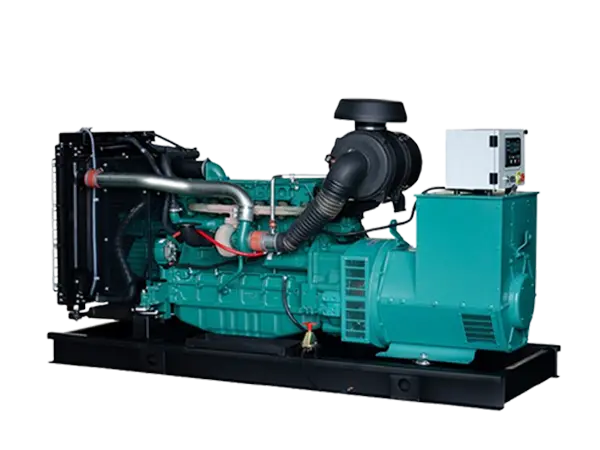 Volvo Series
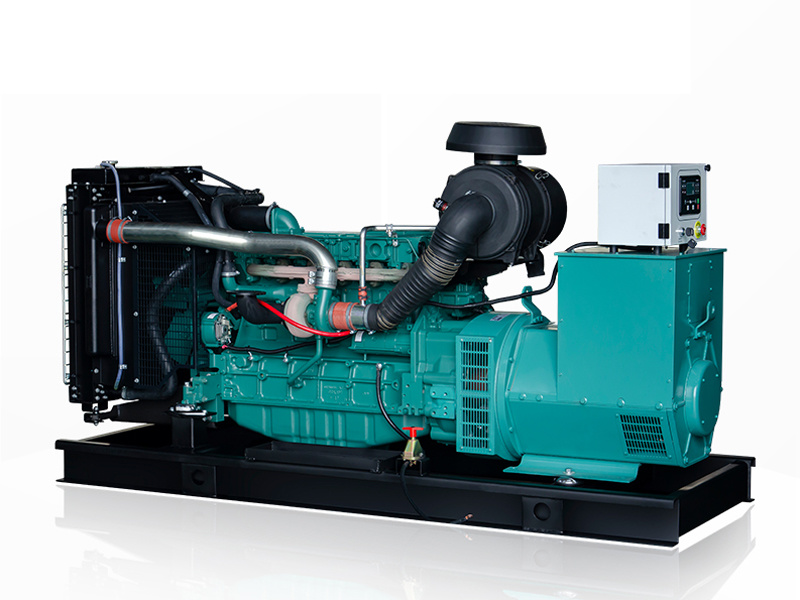 Diesel Generator Sets with VOLVO Engines, XHZV Series
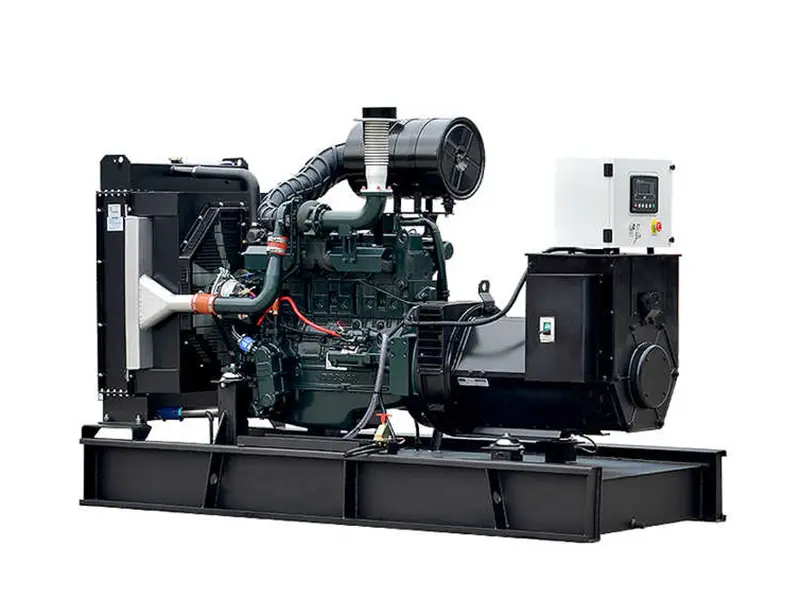 Diesel Generator Sets with Doosan Engines
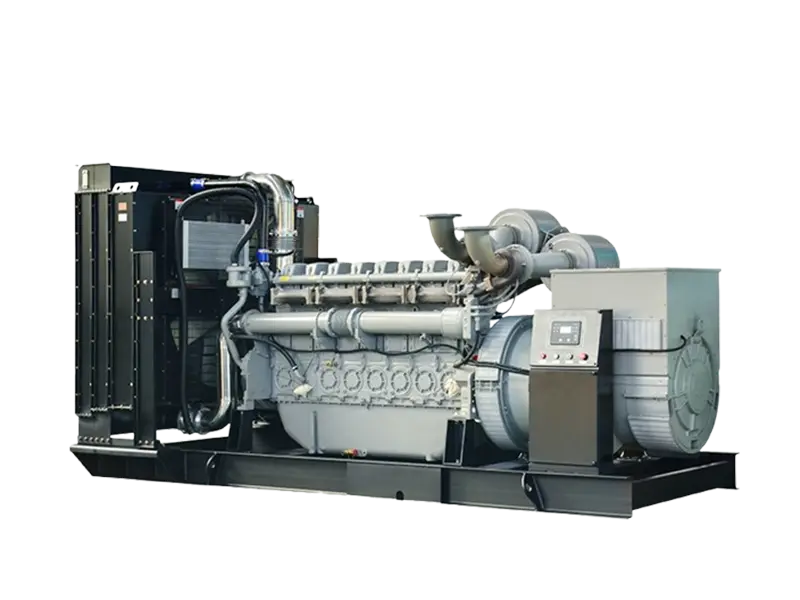 Diesel Generator Sets with Perkins Engines, XHZP Series
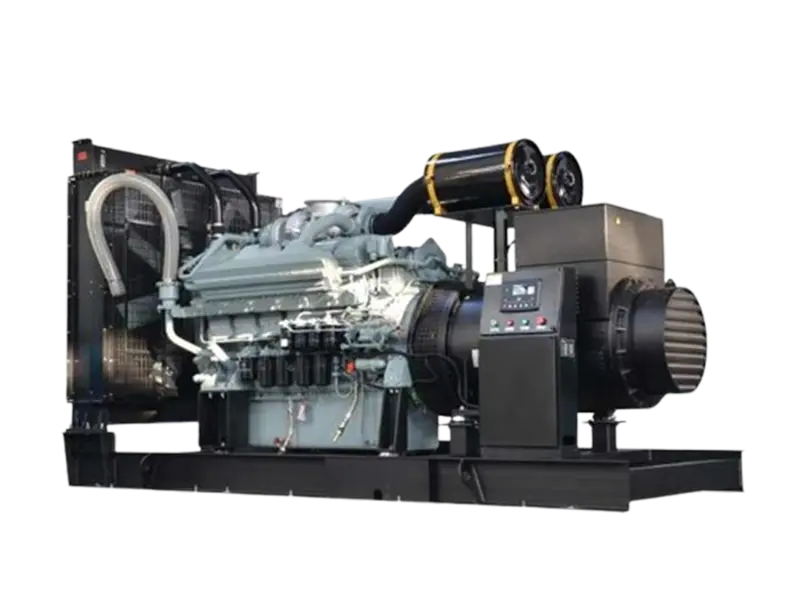 Diesel Generator Sets with Mitsubishi Engines
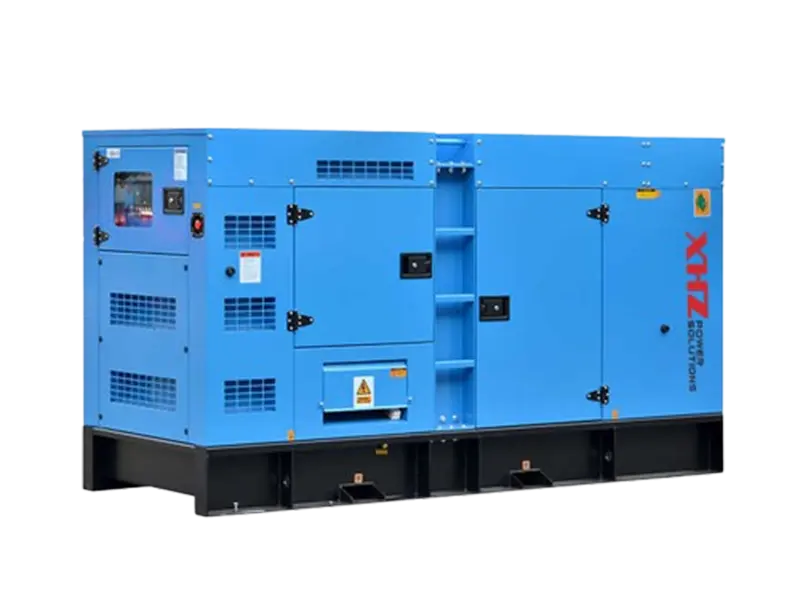 Silent Diesel Generators
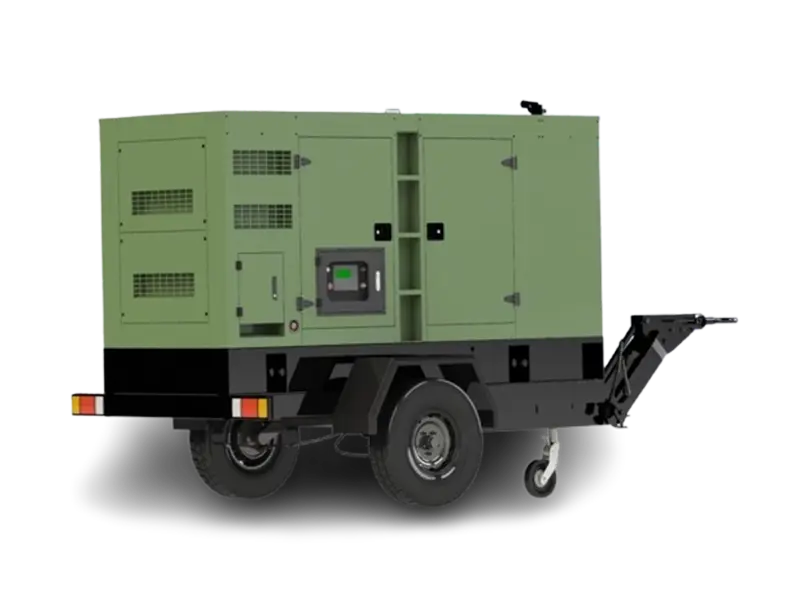 Mobile Silent Diesel Generators
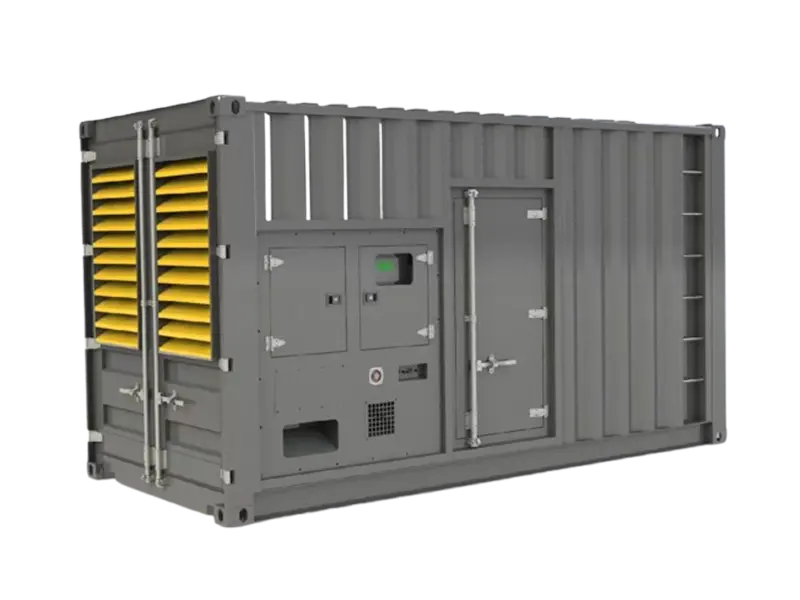 20/40HQ-Standard Container Type Generators