China Best Generator 100 Kva Price and Specs?
Choosing a Generator 100 Kva from China requires more than comparing the lowest online price. Buyers should examine output ratings, engine origin, alternator quality, fuel consumption, and after-sales support. A reliable unit can power construction equipment, workshops, retail facilities, and emergency systems with stable three-phase electricity. However, actual performance depends on altitude, ambient temperature, load balance, and maintenance quality.
Typical Chinese prices vary widely because configurations are rarely identical. An open-frame model may cost less, while a silent canopy, automatic transfer switch, and weather protection increase the final quotation. Diesel engines from established manufacturers often provide practical durability, but brand reputation alone is not enough. Request factory test reports, warranty terms, noise readings, control-panel details, and clear delivery conditions. Ask whether the quoted price includes batteries, fuel tanks, cables, and commissioning.
Specifications deserve careful attention. A 100 kVA rating commonly equals approximately 80 kW at a 0.8 power factor, but standby and prime ratings are different. Fuel consumption should be checked at several load levels, not only at full load. A technically attractive brochure can hide important limitations. Some details still need checking. This is where careful supplier communication matters. Photos of the actual control panel, nameplate, and test process can reveal inconsistencies before payment. Buyers should also confirm local electrical standards and obtain professional installation advice. This guide evaluates China Generator 100 Kva prices and specifications through practical purchasing criteria, helping readers compare value, reliability, and long-term operating costs with greater confidence.
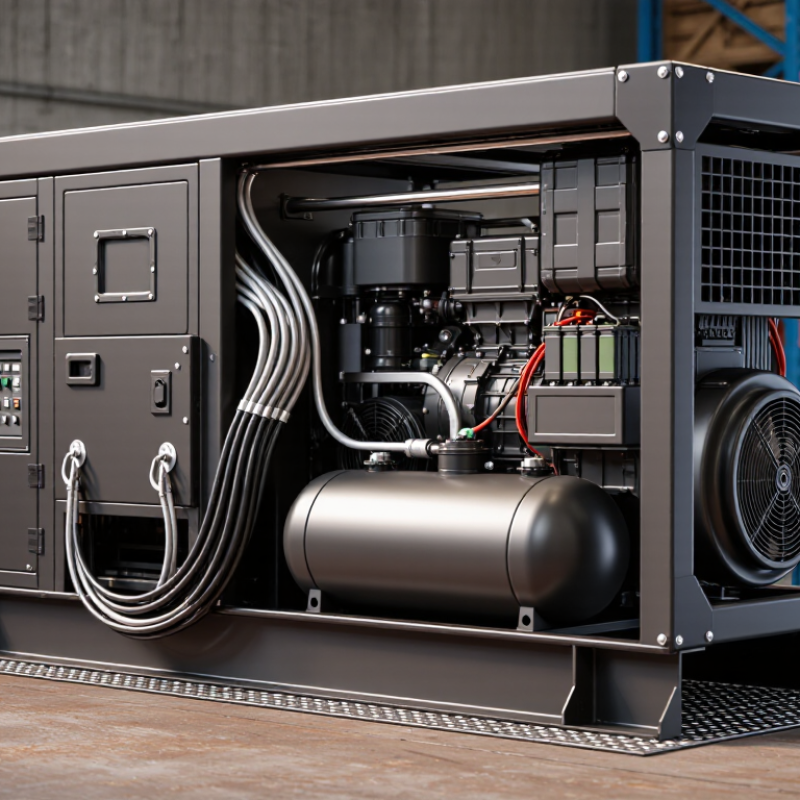
What Defines a 100 kVA Generator’s Rated Output: 80 kW at 0.8 Power Factor
China Best Generator 100 kVA Price and Specs?
A 100 kVA generator does not automatically deliver 100 kW. Its rated real output is usually 80 kW at a 0.8 power factor. The calculation is simple: 100 kVA × 0.8 = 80 kW. kVA describes apparent power, while kW represents usable electrical work. Motors, pumps, and compressors may demand extra starting current. That demand can briefly exceed their running load.
A reliable specification sheet should show standby and prime ratings, fuel use, voltage, frequency, noise level, and engine speed. Price also changes with alternator quality, control systems, enclosure design, and factory testing. In practical inspections, I would check the nameplate against a load-bank report. A cheap unit may look suitable, yet voltage stability can disappoint under uneven loads. I have seen calculations fail when users ignored high starting currents. That mistake is easy to repeat.
Tips: Keep continuous demand below 80 kW, preferably with operating headroom. Confirm whether the site needs 400 V, 230 V, 50 Hz, or another configuration. Ask for derating data at high altitude and temperature. Test the generator with real load patterns, not only light bulbs. Small details matter.
100 kVA Generator: Rated Real Power by Power Factor
A 100 kVA generator delivers 80 kW at a 0.8 power factor. Real power is calculated as:
kW = kVA × power factor.
The chart shows the theoretical real-power output at a constant 100 kVA apparent-power rating. Actual performance may also depend on engine capacity, temperature, altitude, and operating conditions.
Core Specifications: 400/230 V, 50 Hz, Three-Phase Diesel Configuration
When comparing a China-made 100 kVA generator, price should be judged beside its working specifications. A three-phase diesel unit rated at 400/230 V and 50 Hz suits many commercial and light industrial systems. At 400 V, its full-load current is approximately 144 amperes. That figure helps electricians select cables, breakers, and transfer equipment correctly.
Check the rating carefully. Prime power supports variable loads for extended operation, while standby power covers emergency use. The difference can affect the real purchase price. A reliable quotation should identify engine output, alternator efficiency, fuel consumption, noise level, and control-panel functions.
Automatic voltage regulation is important because sensitive equipment may react poorly to unstable voltage. Keep it practical.
Site experience often reveals small details. A 100 kVA set may consume roughly 20–25 litres of diesel per hour near full load, but actual use depends on engine design and load pattern. Ask for factory test records, insulation results, frequency stability data, and protection settings. Check whether the enclosure suits rain, dust, and limited ventilation. Weak ventilation can cause overheating, even when the generator appears correctly sized.
Price comparisons can be misleading. Low cost may reflect a basic controller, smaller fuel tank, or limited warranty support. I would not trust a quotation that lists only “100 kVA” without defining prime or standby capacity. Leave starting-current requirements for motors under review; a pump or compressor may need more capacity than its running watts suggest. Test the unit with a real load bank before acceptance, not only during an empty-load startup.
Fuel Consumption Benchmarks: Approximately 20–25 L/h at Full Load
China Best Generator 100 kVA Price and Specs?
A 100 kVA diesel generator commonly delivers about 80 kW at a 0.8 power factor. Fuel consumption deserves closer attention than the headline price. At full load, a practical benchmark is approximately 20–25 L/h. Load matters. Actual usage changes with engine condition, ambient temperature, fuel quality, and electrical demand.
At 75% load, consumption may fall to roughly 15–19 L/h, although each generator performs differently. A 1,000-liter tank could support around 40–50 hours at full load, before reserve limits and operating conditions are considered. During site testing, record the starting fuel level, connected load, running hours, and final fuel level. These simple records often reveal errors in advertised figures.
Price comparisons should include the alternator, control panel, fuel tank, sound enclosure, transport, installation, and warranty support. A lower purchase price may hide higher fuel costs over several years. I have seen estimates fail because they used standby ratings instead of prime ratings. That mistake is easy to repeat. Buyers should request a load-bank test report and verify fuel consumption at 25%, 50%, 75%, and 100% load. Noise level, voltage stability, maintenance access, and spare-part availability also affect the real value of a 100 kVA set.
How to Compare Leading Chinese Brands by Engine, Alternator, and ISO Standards
For a 100 kVA generator, price comparisons should begin with the engine, not the advertised cabinet. A typical unit delivers about 80 kW at 0.8 power factor. Check rated speed, fuel consumption, cooling design, and standby or prime-duty classification. A reliable engine should provide a clear datasheet, service intervals, and accessible replacement parts. Ask for test results at 25%, 50%, 75%, and 100% load. Idle promises are not enough.
The alternator deserves equal attention. Compare continuous output, insulation class, temperature rise, voltage regulation, and automatic voltage regulator performance. Copper windings and a brushless design usually support stable power for sensitive equipment. Confirm the voltage and frequency, such as 400/230 V at 50 Hz, before comparing prices. A cheaper alternator may reduce the initial quote but create unstable voltage under changing loads. That trade-off is often missed.
ISO documentation can separate a serious supplier from a careless quotation. Request ISO 9001 evidence for quality management, plus applicable ISO 8528 test information for generating-set performance. Certificates should match the manufacturing company and current production site. Do not accept a logo copied into a brochure. I have seen specifications that looked complete but omitted ambient temperature and altitude limits. That omission matters. At higher temperatures, available output can fall. Compare warranty terms, factory-load testing, noise data, delivery scope, and technical support with the same care as the engine and alternator. Price is only one measurement.

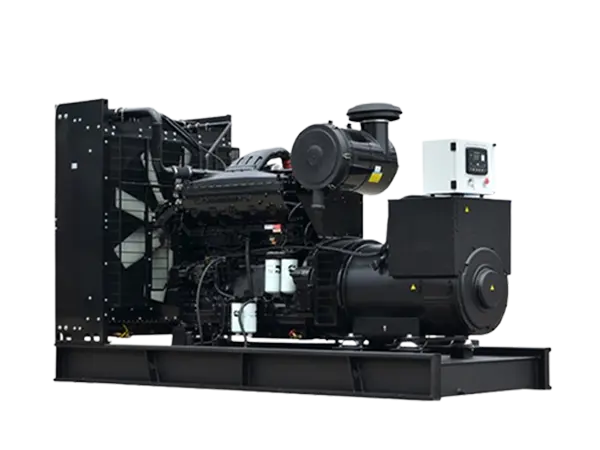 Diesel Generator Sets with Cummins Engines, XHZC Series
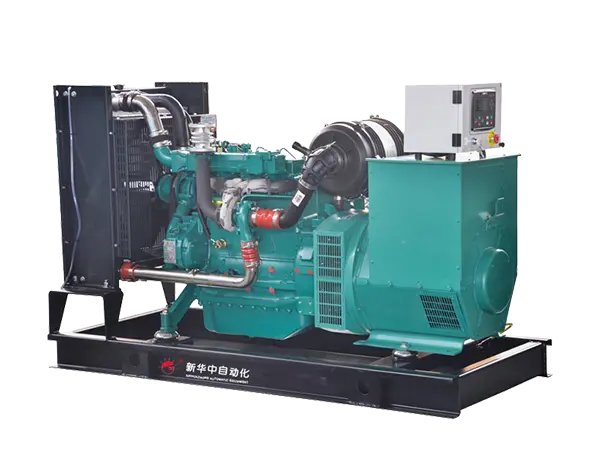 Weichai Series
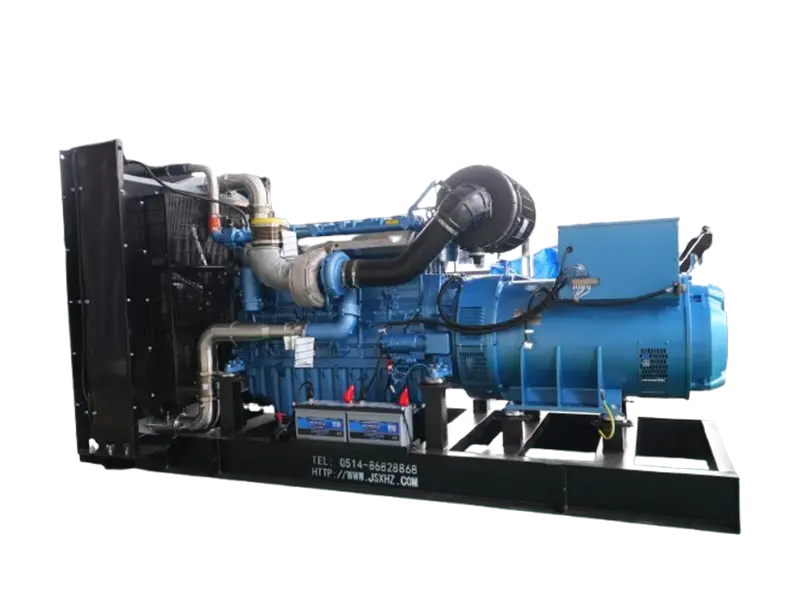 Diesel Generator Sets with WEICHAI Engines, XHZW Series
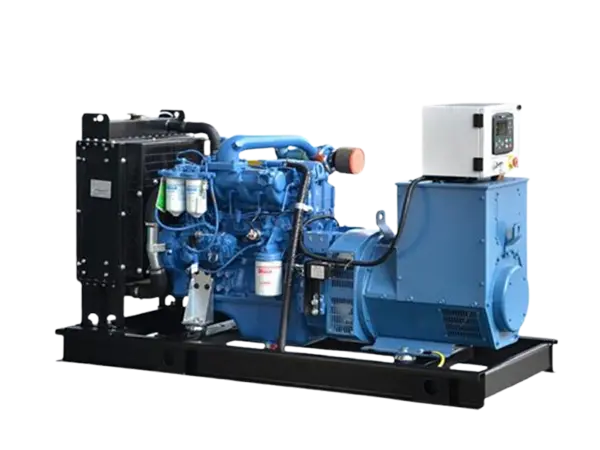 Yuchai Series
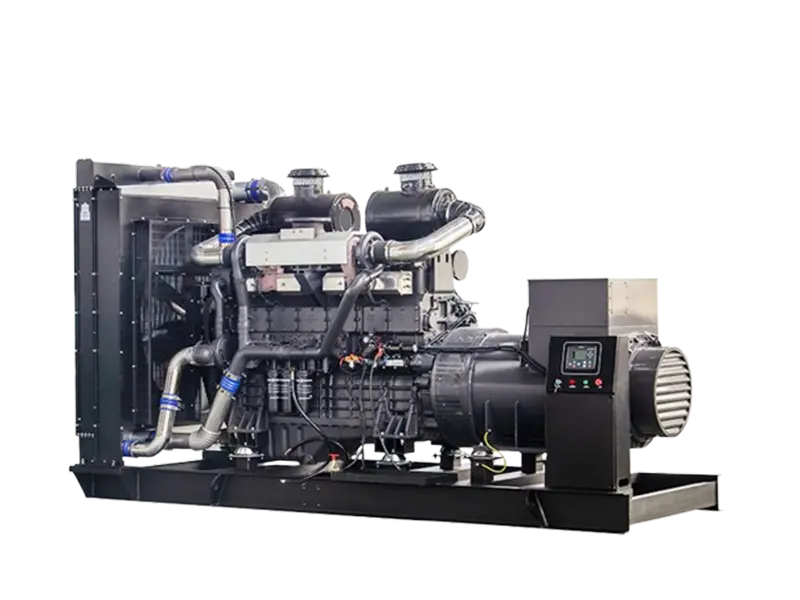 Diesel Generator Sets with SDEC(SHANGCHAI) Engines, XHZS Series
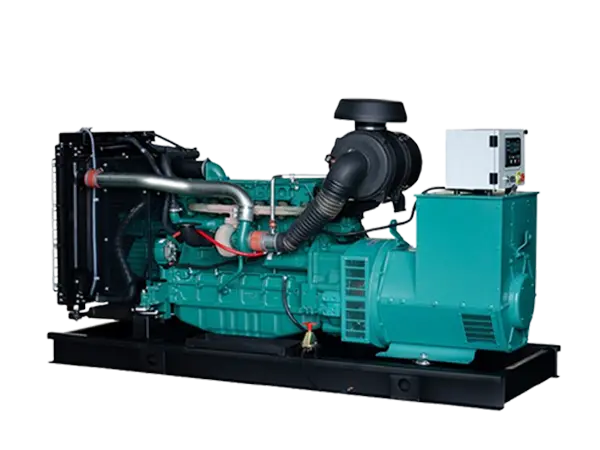 Volvo Series
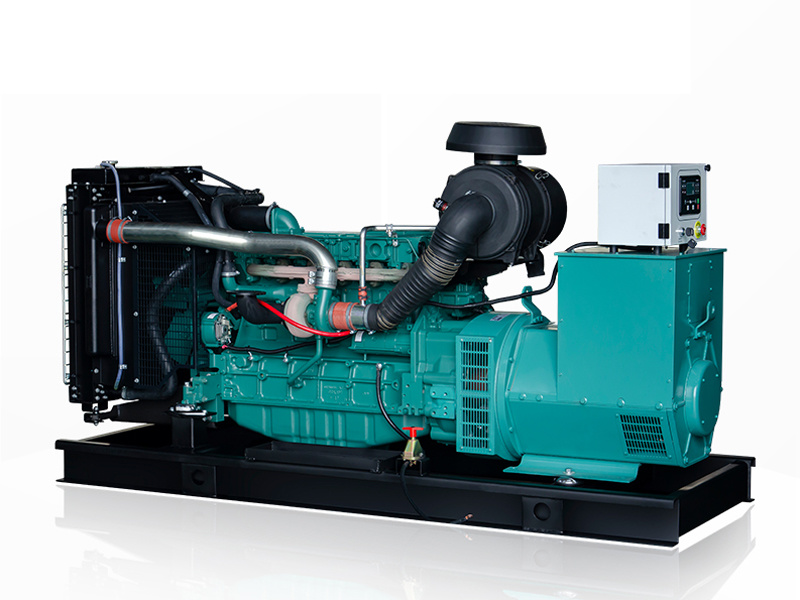 Diesel Generator Sets with VOLVO Engines, XHZV Series
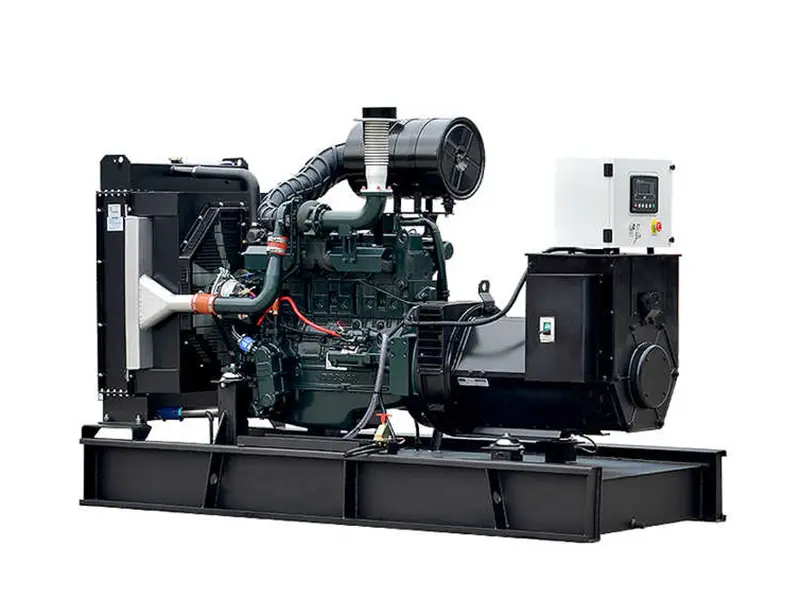 Diesel Generator Sets with Doosan Engines
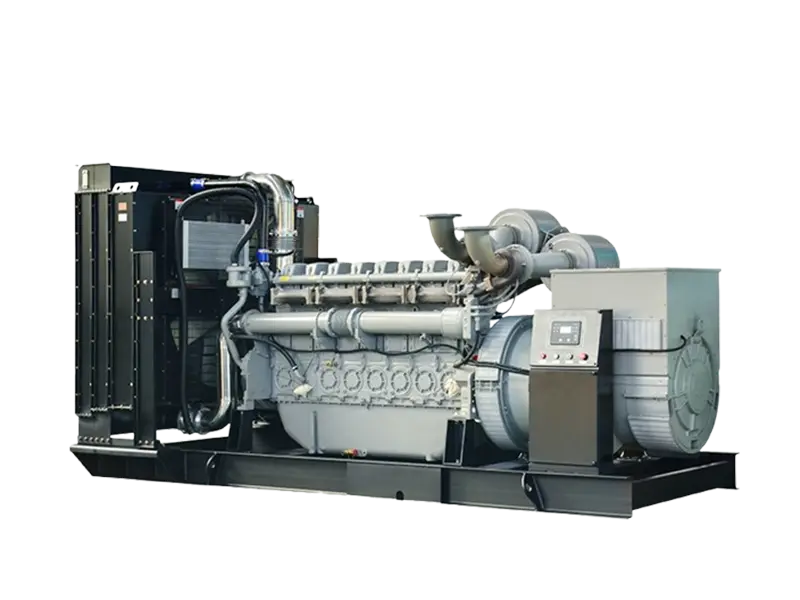 Diesel Generator Sets with Perkins Engines, XHZP Series
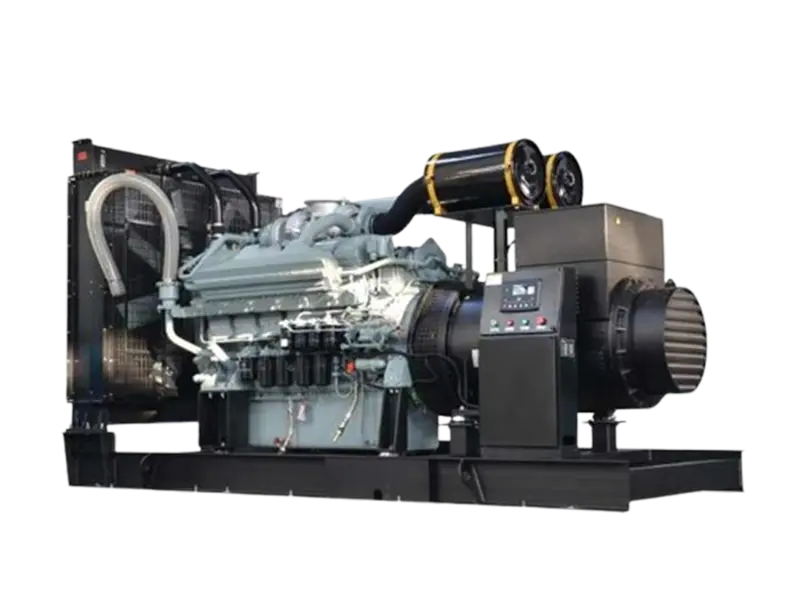 Diesel Generator Sets with Mitsubishi Engines
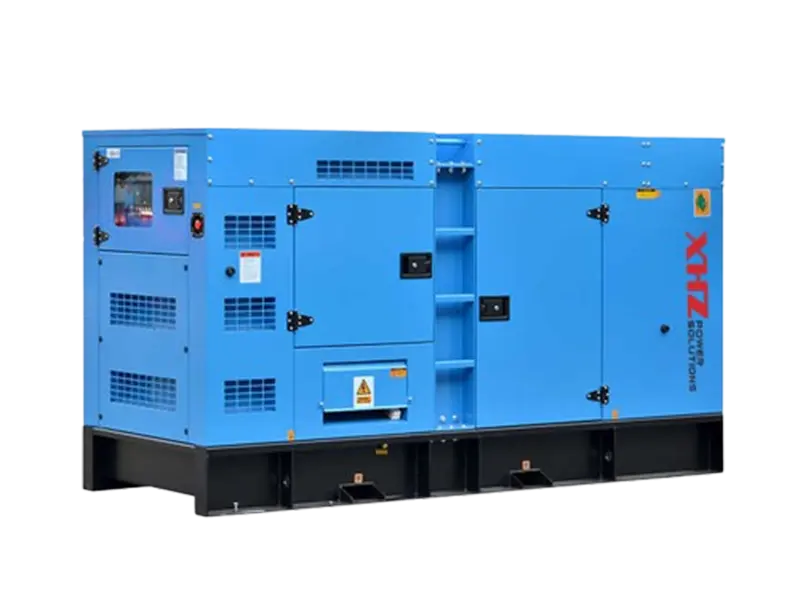 Silent Diesel Generators
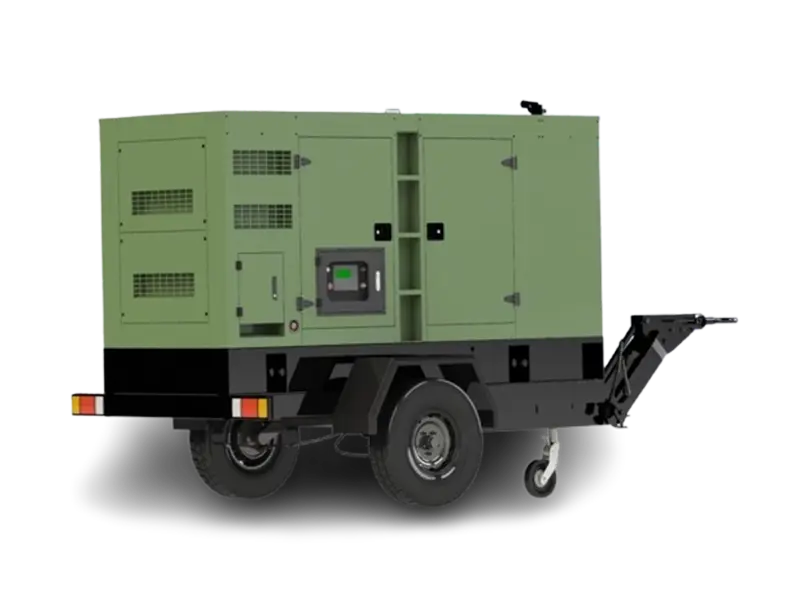 Mobile Silent Diesel Generators
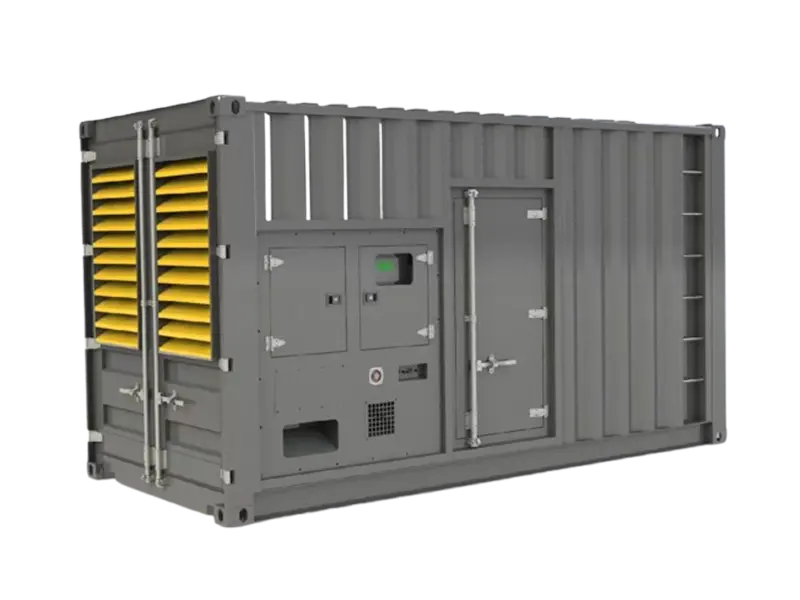 20/40HQ-Standard Container Type Generators