How to Choose the Best Power Generator Project for Your Needs?
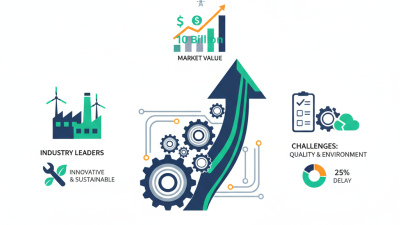
Choosing the right Power Generator Project is critical for both residential and commercial needs. According to a recent report by Future Market Insights, the global portable generator market is projected to reach $6.23 billion by 2026. This growth highlights the increasing demand for reliable energy solutions across various sectors. Understanding your specific requirements can help in selecting the most suitable generator project.
The variety of available generator options can be overwhelming. Factors such as power output, fuel type, and portability should all be considered. A generator's fuel efficiency can make a significant difference in operational costs over time. For instance, diesel generators often offer higher efficiency but may have higher upfront costs compared to gasoline counterparts. Evaluating these elements is essential for a successful Power Generator Project.
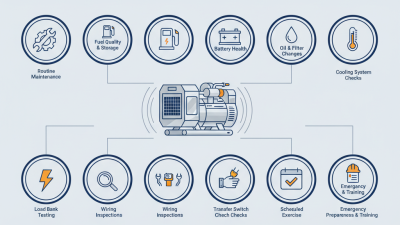
Moreover, sustainability is becoming a key focus in energy planning. Many consumers are exploring hybrid and solar generator options, aligning with environmental concerns. Similarly, understanding maintenance needs is crucial. Poor maintenance can lead to decreased performance and costly repairs. Taking the time to reflect on these aspects will ensure you choose a generator that meets your long-term energy needs effectively.
Understanding Your Power Needs: Residential vs. Commercial Applications
When choosing the right power generator, it’s crucial to understand whether your needs are residential or commercial. Residential applications typically require less power. A family home might need around 5,000 to 10,000 watts. This level supports essential appliances like refrigerators, lights, and heating systems. Consider factors such as the number of devices running simultaneously. You must also assess if backup power is a priority.
For commercial applications, the calculations become more complex. Businesses often run multiple machines, including HVAC systems and industrial equipment. A factory might need over 50,000 watts to stay operational. Reliability is key. A power outage can result in significant losses. Always evaluate the peak load of your operations before making a decision.
Different applications may have unique challenges. Sometimes, power demand spikes unexpectedly. Generators must be versatile. They should adapt to your current needs while being scalable for future growth. This adaptability can influence your choice. An ideal generator meets current demands and anticipates future needs, ensuring long-term functionality.
Evaluating Generator Types: Portable, Standby, and Inverter Generators
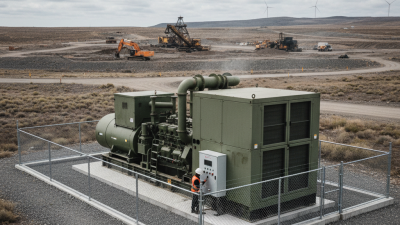
When evaluating generator types, understanding the distinctions is crucial. Portable generators are often favored for their mobility. They can power tools and appliances at job sites or during outdoor events. However, portability comes with limitations in power output. These generators are usually noisy and might not support heavy loads.
Standby generators, on the other hand, are stationary installations. They provide reliable power during outages, automatically kicking in when the grid fails. This convenience can be valuable, but installation costs can be high. Users must consider whether the benefits outweigh the expense.
Inverter generators offer a balance of portability and efficiency. They produce cleaner, stable power, ideal for sensitive electronics. Yet, inverter models can be more expensive upfront. Potential buyers should evaluate their specific needs, such as power requirements and usage frequency. While all options have merits, understanding your context is essential for making the right choice.
Assessing Power Output: Calculating Required Watts for Your Equipment
When choosing a power generator, assessing power output is critical. Understanding your equipment's wattage requirements ensures you pick the right generator. You can start by identifying the devices you need to power. List their wattage ratings, which can usually be found on their labels.
Calculating total wattage is not straightforward. Devices often list both running and starting watts. Starting watts are higher, especially for motors, like those in refrigerators or air conditioners. For example, a refrigerator might need 800 watts to run but may require 1,600 watts at startup. It's essential to account for this surge when selecting your generator.
You might also need to consider how long you will run the equipment. Some devices can operate intermittently, while others need constant power. Having a clear plan helps you choose a generator that meets your demands. Finally, don’t forget about safety. Inspect your generator regularly to ensure it operates properly and efficiently. Over time, you may discover your needs change, prompting a reassessment of your power generator selection.
Power Output Requirements for Common Equipment
This bar chart illustrates the required wattage for various common household appliances. Knowing the power output needed for each device aids in selecting the best power generator for your needs.
Fuel Options for Generators: Comparing Gasoline, Diesel, and Propane Efficiency
When selecting a generator, understanding fuel options is key. Gasoline, diesel, and propane each have unique advantages and drawbacks. According to the U.S. Energy Information Administration (EIA), gasoline generators typically offer portability and ease of use. They are often favored for short-term applications like camping. However, they are less efficient for long hours of operation, leaving users vulnerable to refueling frequently.
On the other hand, diesel generators are known for their durability and efficiency. They consume less fuel compared to gasoline units, providing more power per gallon. The International Energy Agency reports that diesel generators are preferred in construction and emergency backup scenarios due to their reliability. Yet, they tend to be noisier and require more maintenance, which can be a drawback for some users.
Propane is another interesting option. It burns cleaner than both gasoline and diesel, resulting in fewer emissions. However, storage can be an issue since propane tanks are less common than gasoline or diesel supplies. Its comparative efficiency stands at 95,000 BTUs per gallon, yet users should consider potential availability challenges. Each fuel type comes with a set of considerations that require reflection based on individual needs and scenarios.
How to Choose the Best Power Generator Project for Your Needs? - Fuel Options for Generators: Comparing Gasoline, Diesel, and Propane Efficiency
| Fuel Type |
Energy Density (BTU/gallon) |
Efficiency (%) |
Average Cost per Gallon ($) |
Carbon Emissions (gCO2/kWh) |
| Gasoline |
115,000 |
25-30 |
3.00 |
800 |
| Diesel |
130,000 |
30-40 |
3.50 |
600 |
| Propane |
91,500 |
20-30 |
3.00 |
500 |
Considering Noise Levels and Emissions: Impact on Usage and Regulations
When choosing a power generator, noise levels and emissions are crucial factors. A generator that operates quietly is essential for residential areas or shared spaces. High noise levels can disturb neighbors and violate local regulations. Many places have strict guidelines on noise emissions, so it's wise to check these before making a decision.
Consider power generators that are designed to minimize emissions. Eco-friendly models often produce fewer pollutants. These generators not only help protect air quality but may also be easier to register with local authorities. In some cases, reduced emissions can qualify for tax incentives or rebates.
Tips:
Look for generators with soundproofing features. These can significantly reduce noise while the generator operates. Also, research regulations specific to your area. Understanding local laws on emissions can save you from potential fines or operational issues down the line. Make an informed choice that balances your power needs with environmental impact.

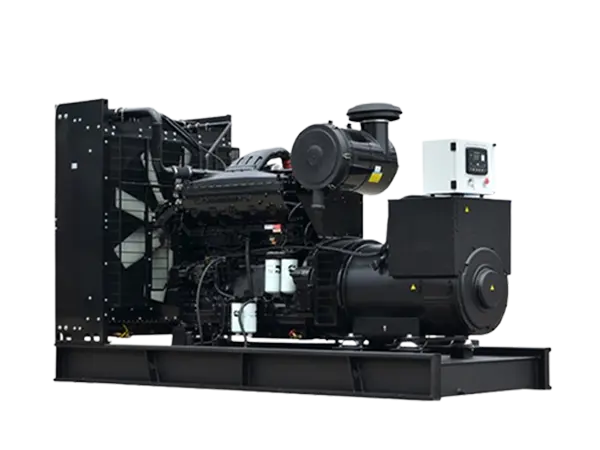 Diesel Generator Sets with Cummins Engines, XHZC Series
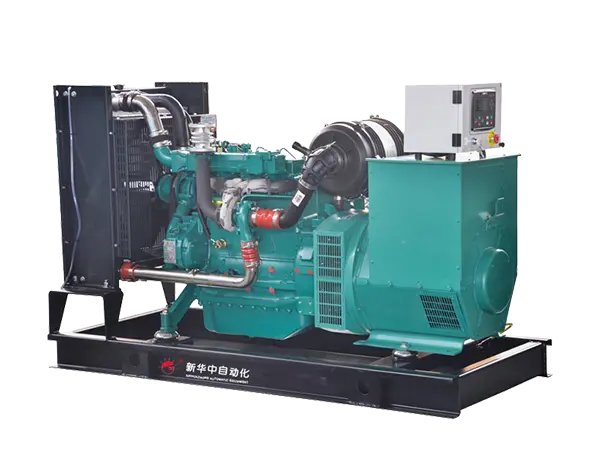 Weichai Series
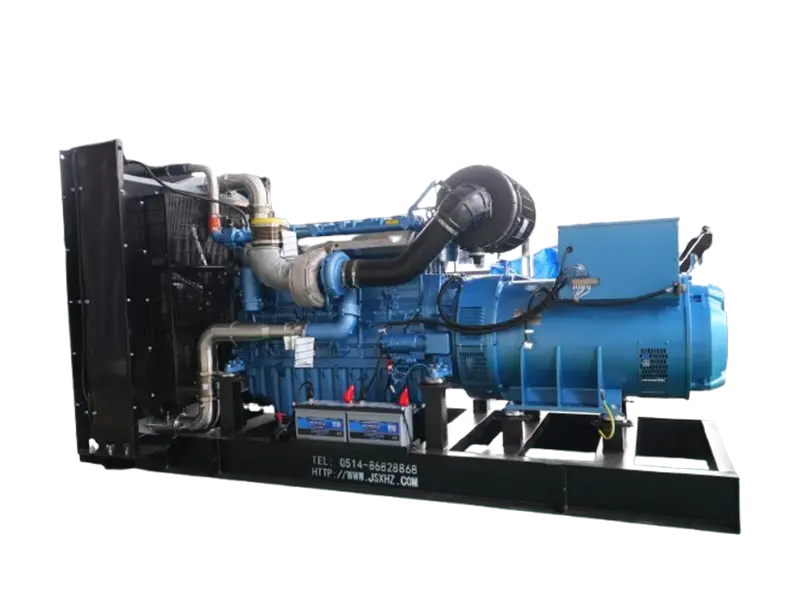 Diesel Generator Sets with WEICHAI Engines, XHZW Series
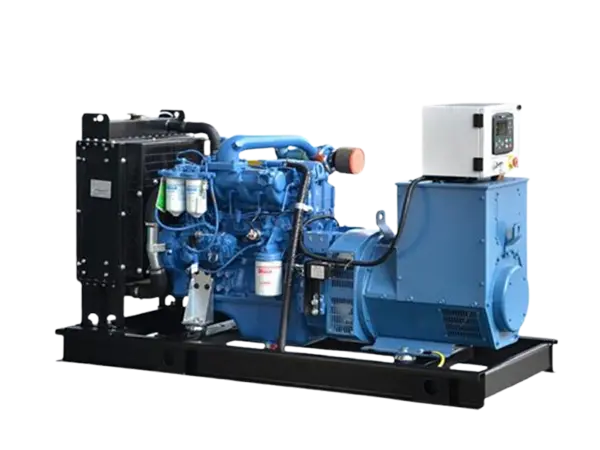 Yuchai Series
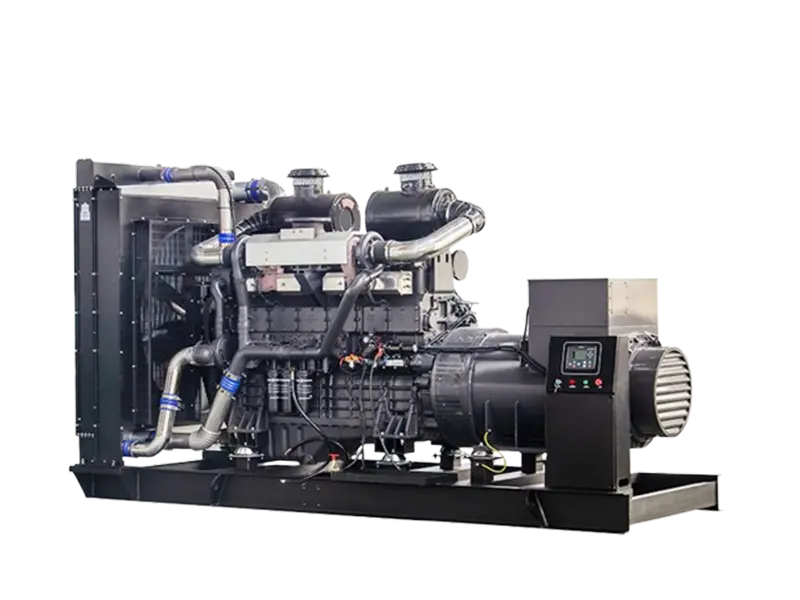 Diesel Generator Sets with SDEC(SHANGCHAI) Engines, XHZS Series
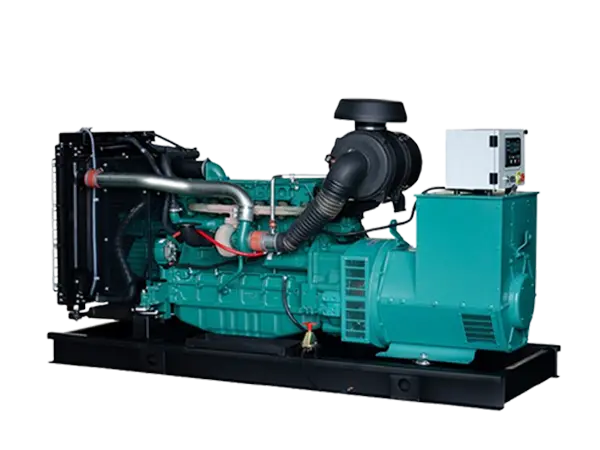 Volvo Series
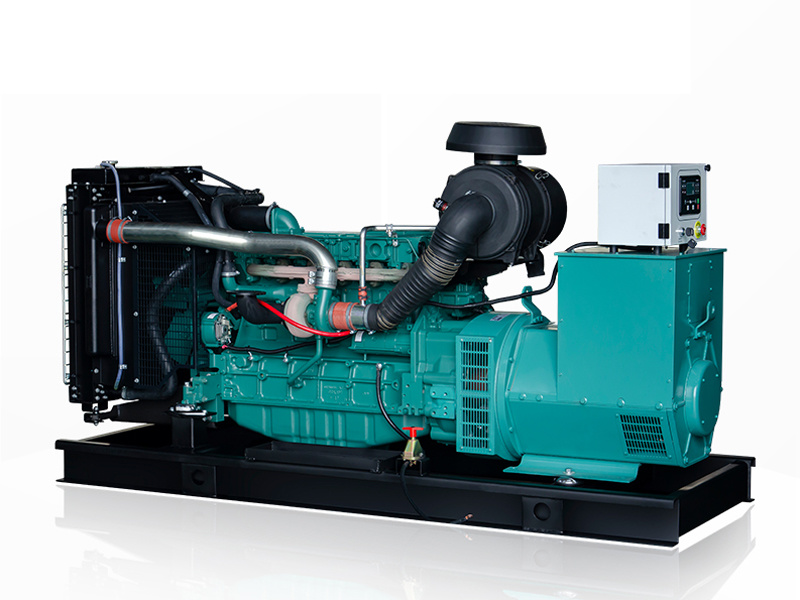 Diesel Generator Sets with VOLVO Engines, XHZV Series
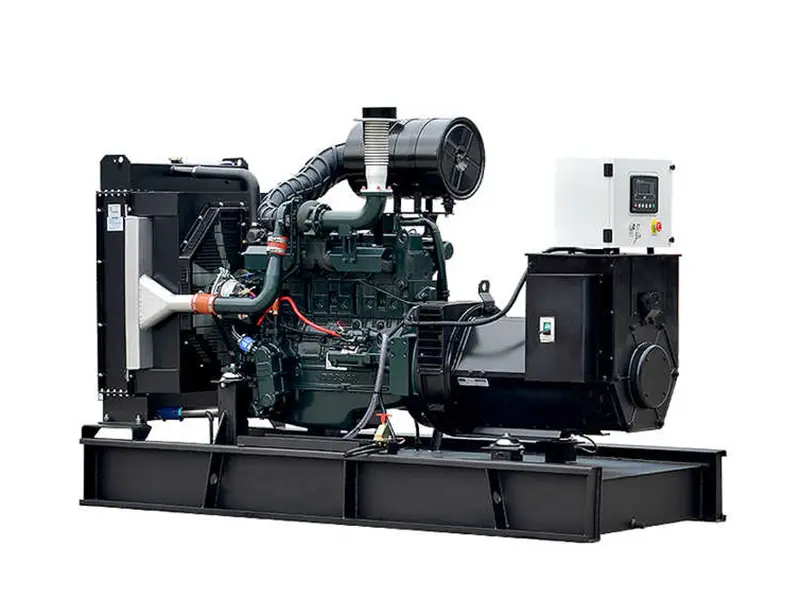 Diesel Generator Sets with Doosan Engines
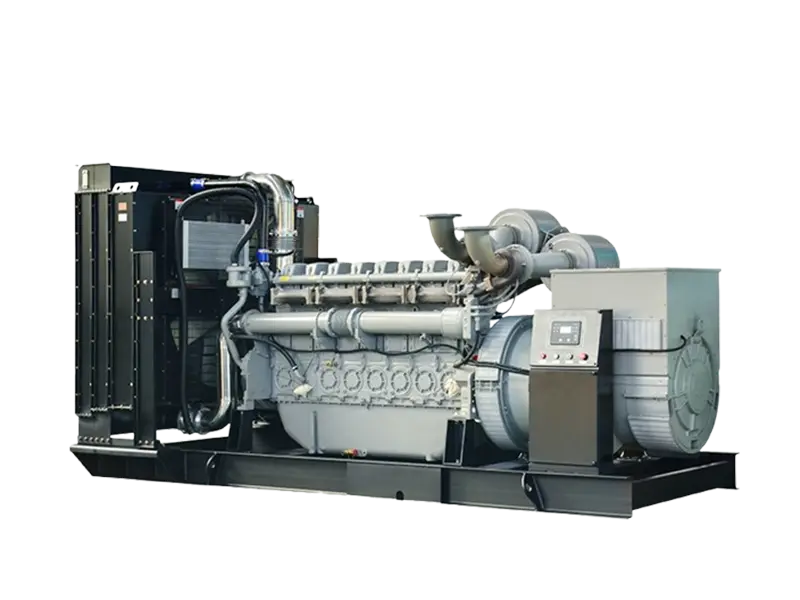 Diesel Generator Sets with Perkins Engines, XHZP Series
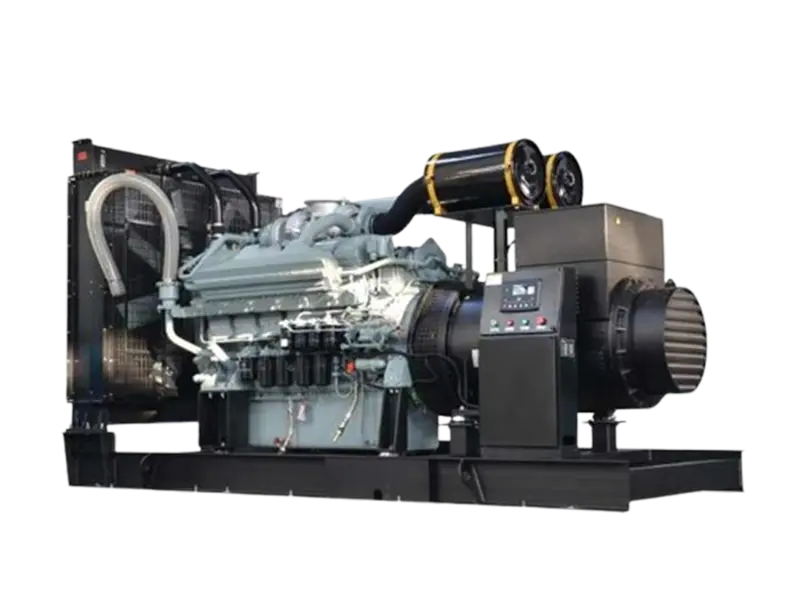 Diesel Generator Sets with Mitsubishi Engines
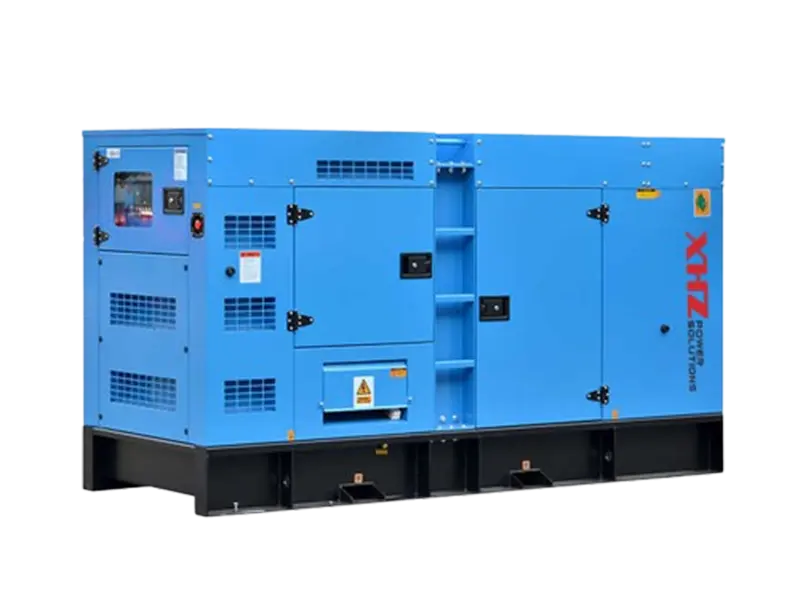 Silent Diesel Generators
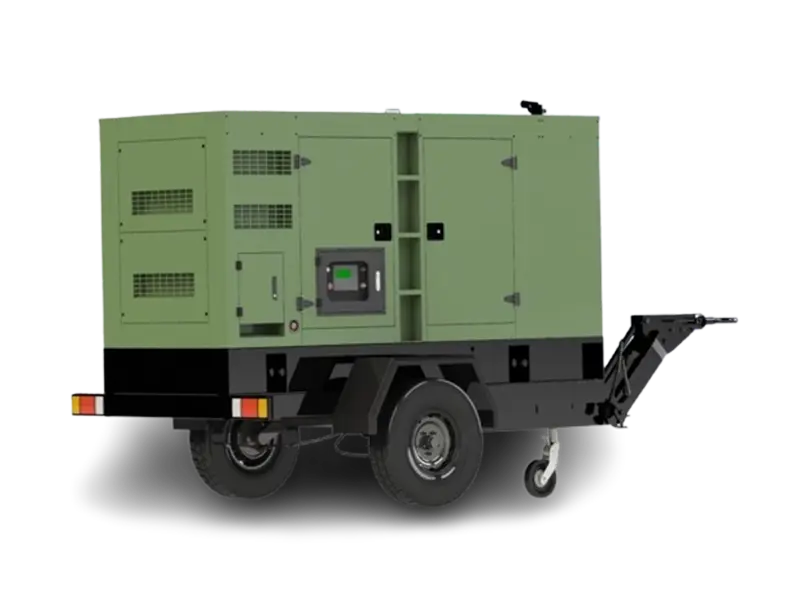 Mobile Silent Diesel Generators
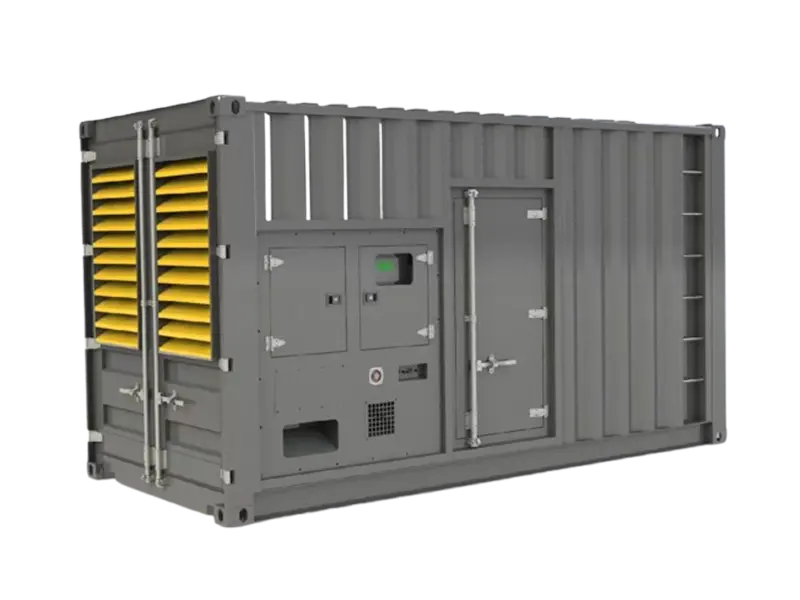 20/40HQ-Standard Container Type Generators