How to Choose the Best Diesel Standby Generator for Your Needs?
Selecting the right Diesel Standby Generator is crucial for ensuring reliable power during outages. According to the U.S. Energy Information Administration, about 30% of households in America have experienced power interruptions in the past few years. This underscores the importance of having a robust backup power solution. Diesel generators stand out due to their efficiency and longevity. Their fuel efficiency can reach approximately 30% greater than gasoline-powered units, making them a cost-effective choice.
However, choosing a Diesel Standby Generator involves a few complexities. It’s vital to evaluate your specific power needs first. Underestimating your load requirements can lead to insufficient performance. On the other hand, overestimating could result in unnecessary expenses and larger units than needed. It's essential to examine both the wattage and voltage requirements of your critical appliances.
Moreover, maintenance and operational costs should be considered. Diesel engines require regular maintenance for optimal performance. Industry data shows that while diesel generators often have longer lifespans, they may require parts replacements and servicing over time. Assessing these factors can be overwhelming, yet they are vital for making an informed decision. Ultimately, conducting thorough research is essential to select the best Diesel Standby Generator tailored to your circumstances.
Factors to Consider When Choosing a Diesel Standby Generator
When choosing a diesel standby generator, several critical factors arise. Power needs are a primary concern. It’s essential to calculate your total wattage requirements. According to reports from the Power Equipment Manufacturers Association, choosing a generator with at least 20% extra capacity ensures uninterrupted service during peak use.
Portability and installation also play a significant role. Some generators are designed for stationary setups, while others offer mobility. Depending on your space and needs, selecting the right type can save time and money during installation. Noise level is another often-overlooked element. Diesel generators can be loud, with noise levels reaching 70 dB or more. This noise can be distracting or even disruptive, particularly in residential areas.
Lastly, fuel efficiency should not be ignored. Research from the International Energy Agency indicates that advanced models offer up to 40% better fuel efficiency than older versions. This can lead to substantial savings over time. However, these models may require a larger initial investment. Evaluating your long-term costs versus upfront expenses is key for an informed decision. Each of these factors can significantly impact your overall satisfaction with the chosen generator.
Understanding Your Power Requirements for a Standby Generator
When considering a diesel standby generator, understanding your power requirements is essential. Start by assessing the total wattage of the appliances you need to power. This includes lights, heating systems, and essential electronics. Each device has a specific wattage. For example, a refrigerator typically uses about 600 watts, while a furnace can require from 1200 to 3000 watts. Knowing these details helps you determine the generator’s capacity.
Think about peak and running wattages. Many devices require more power to start than to operate. A generator must handle this surge. An air conditioner is a prime example, needing twice its running power to start. It’s crucial to calculate these demands accurately. Misestimating can lead to generator failure or inadequate power, leaving you in stressful situations.
Finally, consider the duration of outages in your area. If outages are frequent or prolonged, you might need a generator with a larger fuel tank. Larger tanks extend run time, reducing the frequency of refueling. Evaluate your specific needs. Choosing the right generator is a balance of power requirements and your typical usage, and it should reflect your lifestyle and comfort expectations.
Assessing Fuel Efficiency and Operating Costs of Diesel Generators
When assessing diesel generators, fuel efficiency and operating costs are crucial factors. Diesel generators typically achieve an efficiency of around 30% to 40%. However, this can vary based on load and maintenance. According to a report from the Diesel Generator Association, an efficient generator can save up to 20% on fuel consumption compared to less efficient models. This aspect alone significantly impacts operating costs, especially in long-term usage.
Operating costs also encompass maintenance and repair. For a well-maintained diesel generator, experts recommend an annual budget of about 5-10% of its initial purchase price for upkeep. Interestingly, during heavy usage, some operators notice an increase in wear and tear, leading to higher repair costs. Additionally, long-term fuel price fluctuations can further affect overall expenses.
The upfront investment in a diesel standby generator can be high. However, the fuel efficiency and lower operational costs often balance this out over time. Many users report that the peace of mind from having reliable backup power outweighs initial concerns. Assessing these factors thoroughly will help you choose wisely. Consider your immediate needs, but don't overlook potential future costs.
Key Features to Look for in Diesel Standby Generators
When selecting a diesel standby generator, certain features stand out as crucial. One essential characteristic is the generator's power output. This should match or exceed your needs during outages. Consider the total wattage of all devices you want to power. A generator that’s too small may leave you with insufficient power.
Another critical aspect is fuel efficiency. Diesel generators typically offer better fuel use compared to gasoline counterparts. This can lead to cost savings over time. Look for generators with a reputation for long run times and minimal maintenance needs. These features can save you both time and money.
Don’t overlook the generator's noise level. Some models operate quietly, while others are quite loud. If you have nearby neighbors, a louder generator might lead to complaints. Check user reviews for real-world experiences. Thoughtful consideration of these features will help ensure you choose a diesel standby generator that satisfies your needs.
Maintenance and Support Options for Diesel Generators
Choosing the right diesel standby generator is essential for uninterrupted power. However, maintaining these generators is equally crucial to ensure optimal performance. Regular maintenance can extend their lifespan by over 30%. According to industry reports, generators that receive routine checks perform significantly better, reducing the risk of unexpected failures.
Tips: Schedule maintenance checks every six months. Inspect fluid levels and filters systematically.
Support options also play a vital role. Most manufacturers offer warranty programs. Some include onsite support, which can be invaluable during emergencies. Research suggests that generators with robust support networks report fewer downtime incidents. For complex issues, remote diagnostics are becoming standard. They allow technicians to troubleshoot without being on-site, saving time.
Tips: Consider providers with responsive customer service. This can enhance overall satisfaction.
Remember, neglecting generator maintenance can lead to costly repairs. Common issues like fuel contamination or battery failure often arise from lack of care. Keeping an eye on your generator's health is just as vital as the initial selection process.
How to Choose the Best Diesel Standby Generator for Your Needs? - Maintenance and Support Options for Diesel Generators
| Feature |
Specifications |
Maintenance Schedule |
Support Options |
| Power Output |
10 kW - 200 kW |
Monthly oil change |
24/7 Technical Support |
| Fuel Type |
Diesel |
Quarterly filter replacement |
On-site Service |
| Engine Type |
Water-cooled |
Bi-annual inspection |
Remote Monitoring |
| Noise Level |
60 - 75 dB |
Annual service check |
Warranty Support |
| Cooling System |
Radiator |
Semi-annual coolant check |
Technical Documentation |

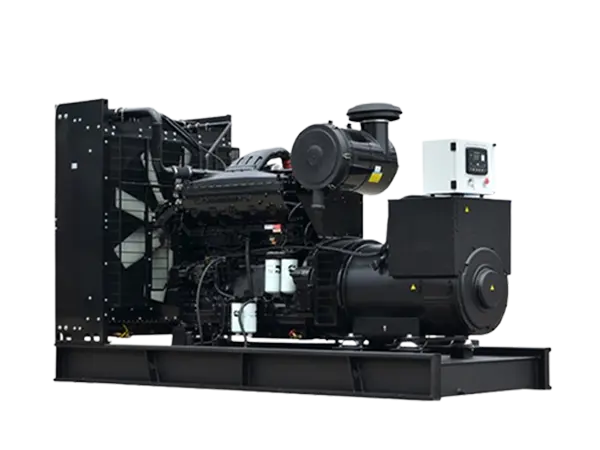 Diesel Generator Sets with Cummins Engines, XHZC Series
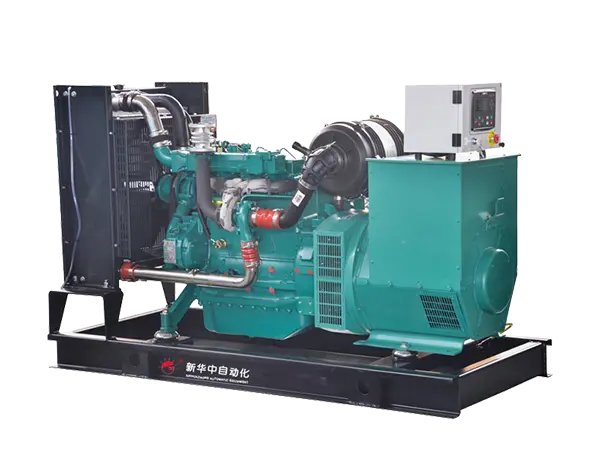 Weichai Series
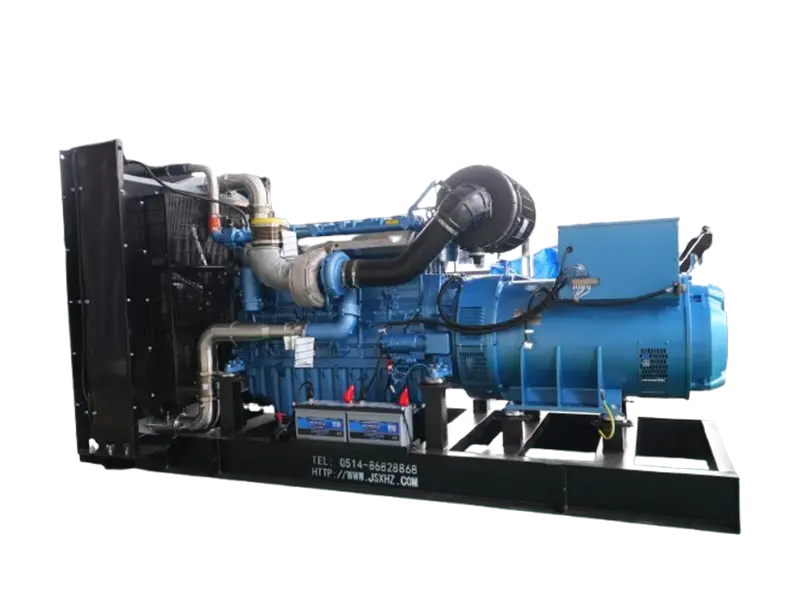 Diesel Generator Sets with WEICHAI Engines, XHZW Series
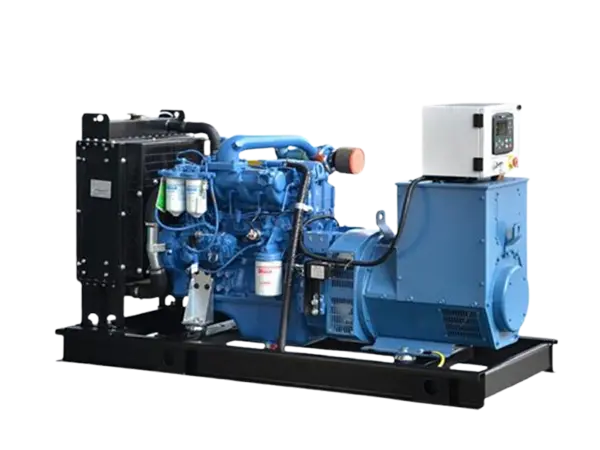 Yuchai Series
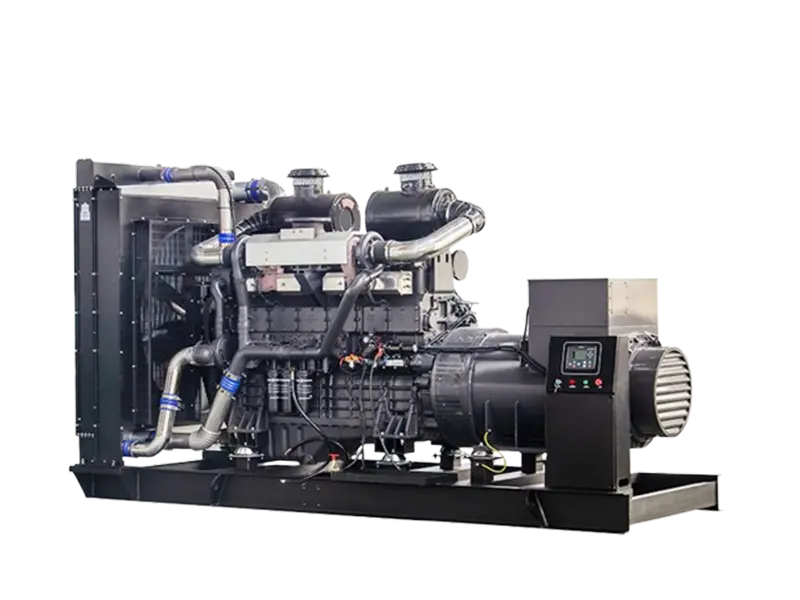 Diesel Generator Sets with SDEC(SHANGCHAI) Engines, XHZS Series
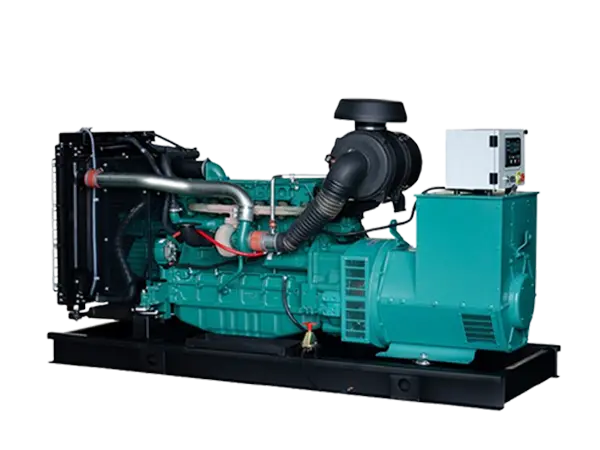 Volvo Series
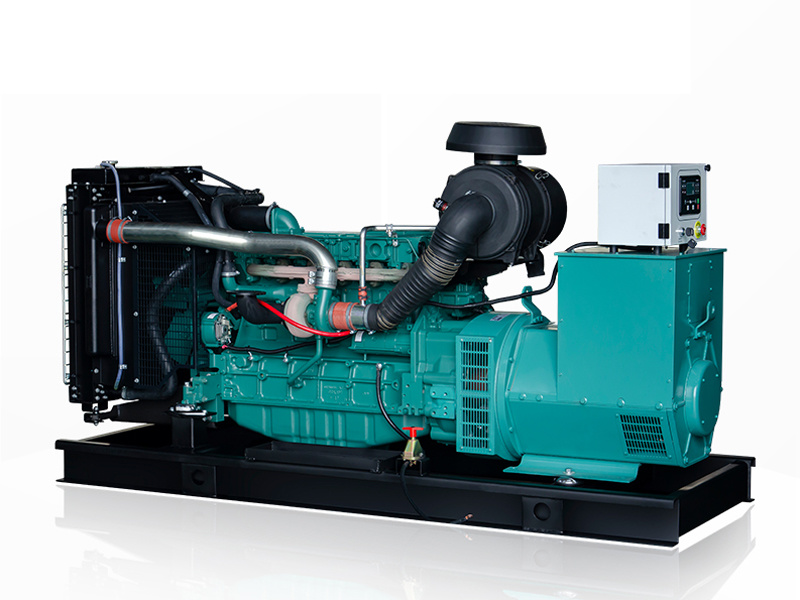 Diesel Generator Sets with VOLVO Engines, XHZV Series
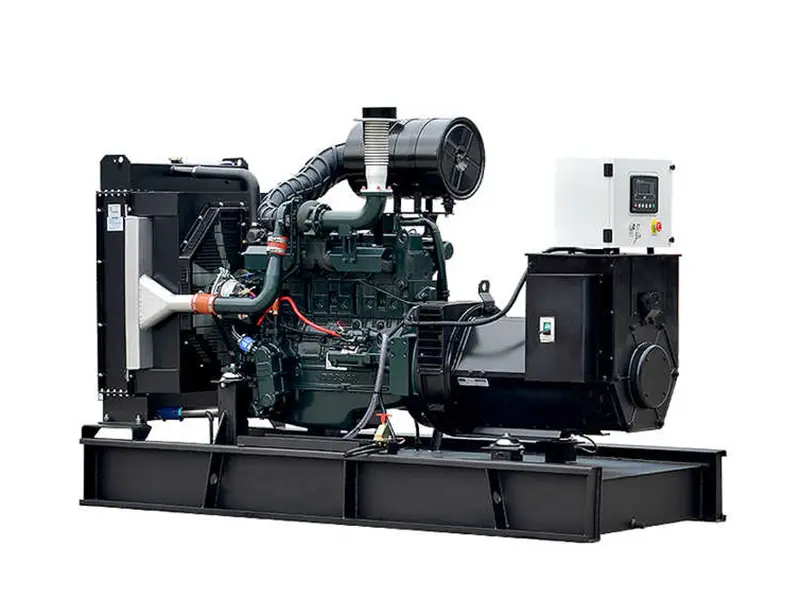 Diesel Generator Sets with Doosan Engines
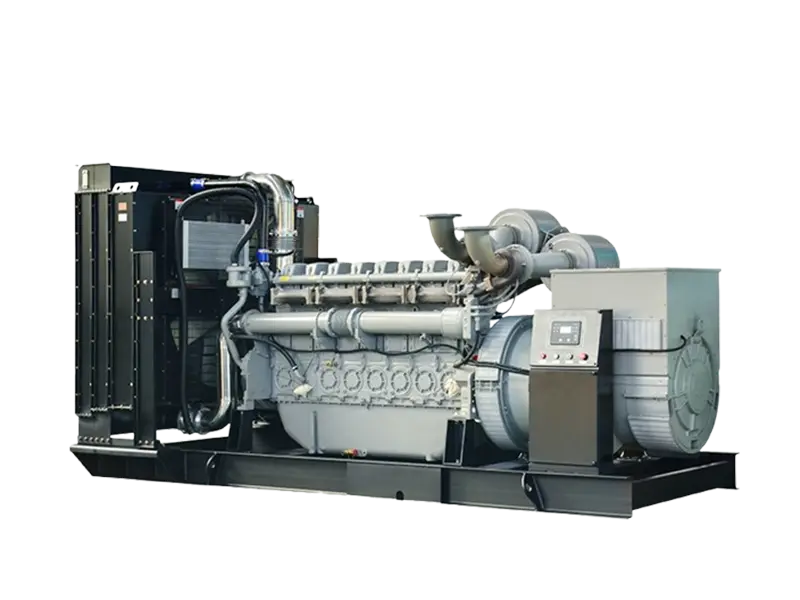 Diesel Generator Sets with Perkins Engines, XHZP Series
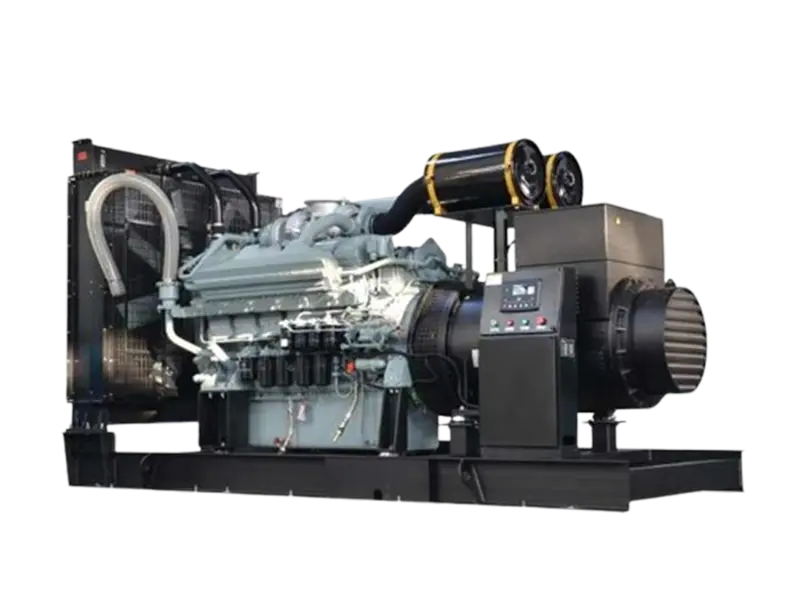 Diesel Generator Sets with Mitsubishi Engines
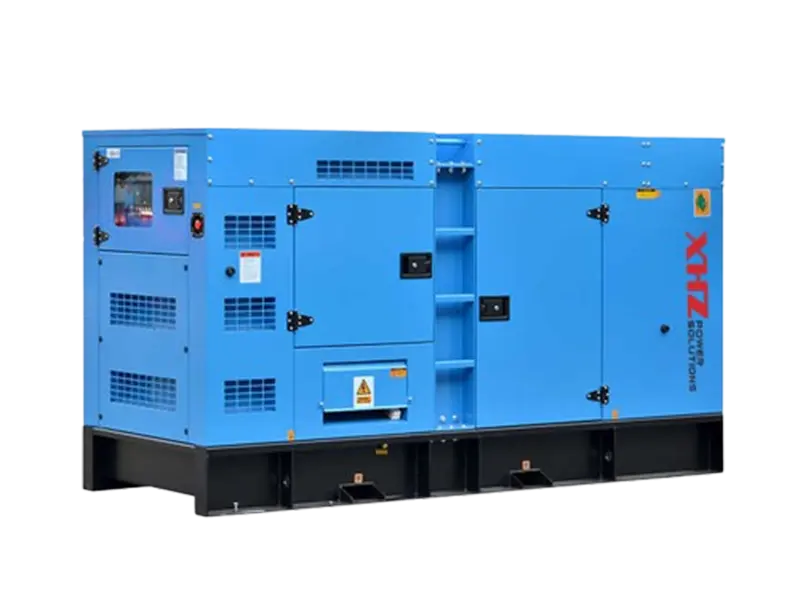 Silent Diesel Generators
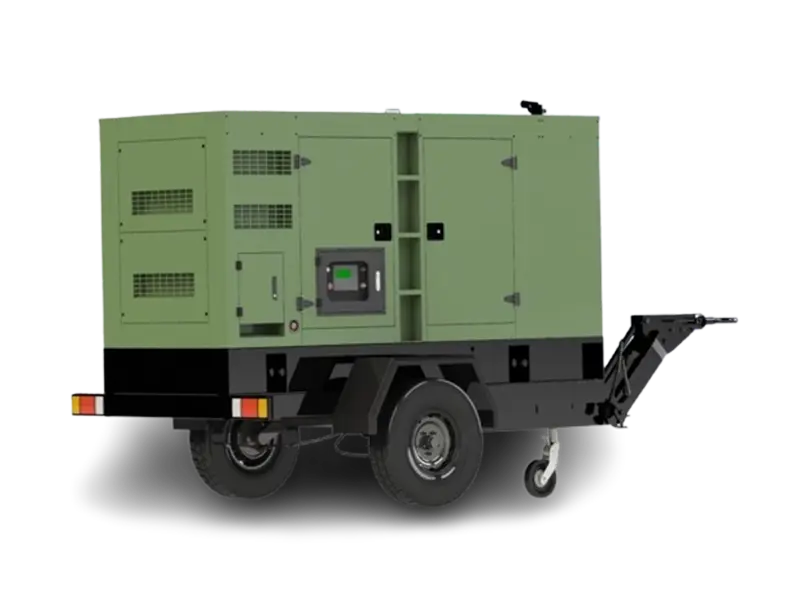 Mobile Silent Diesel Generators
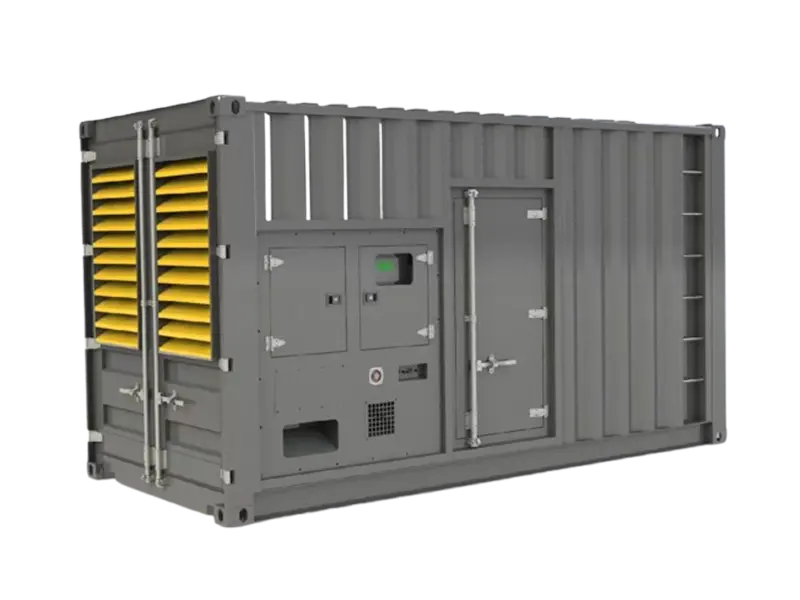 20/40HQ-Standard Container Type Generators