Why Choose a Diesel Backup Generator?
A sudden outage can stop heating, refrigeration, water pumps, and essential equipment within minutes. A Diesel Backup Generator can keep selected circuits or critical operations running when utility power fails. Its appeal often comes from a durable engine, strong load-handling capability, and the option to store fuel onsite. That can matter at a rural home, clinic, or worksite where interruptions carry real costs.
Backup power is not automatic. Correct sizing, professional installation, ventilation, and routine testing all affect performance. Diesel generators also bring trade-offs: they need regular maintenance, create engine noise, and produce exhaust that requires safe outdoor placement. Fuel quality and storage conditions matter, too. These details are easy to overlook until the generator is needed.
This guide explores why diesel may be a practical choice, how it compares with other backup options, and what to assess before buying. The right unit depends on the loads it must support, expected outage length, site conditions, and maintenance capacity. A larger generator is not always better. Nor is diesel the right fit for every property. Careful planning—and an honest look at the drawbacks—can help buyers choose reliable backup power without paying for capacity they do not need.
How Diesel Backup Generators Convert Fuel into Standby Power
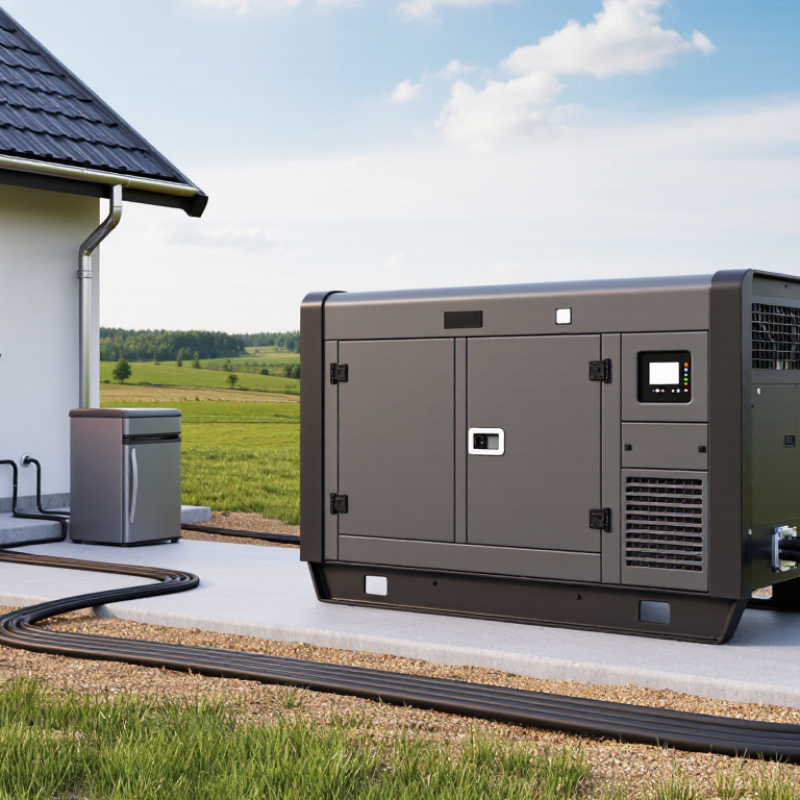
When utility power fails, a standby diesel generator does not transform stored electricity. It converts fuel’s chemical energy into shaft rotation, then electrical output. The sequence is simple. A starter motor cranks the engine, drawing air into its cylinders. Fuel injection sprays diesel into compressed, hot air; combustion pushes the pistons and turns the crankshaft. The engine drives an alternator, where a rotating magnetic field induces current in stationary windings.
The U.S. Energy Information Administration’s energy-content data assigns roughly 137,000 Btu to a gallon of diesel. That measures fuel energy, not electricity delivered; heat, exhaust, friction, and alternator losses reduce usable output. Generator capacity, site altitude, engine temperature, and electrical load also affect performance. A transfer switch senses a utility failure and moves selected circuits onto generator power. Sensitive equipment may still need an uninterruptible power supply during the transition.
The U.S. Environmental Protection Agency’s AP-42 guidance provides emissions factors by stationary-engine category, not one universal figure. Operating conditions matter. During a scheduled test, a technician can check battery voltage, coolant level, exhaust clearance, and transfer-switch operation, then record the load and run time. A clean startup can still hide a weak battery. Routine checks are easy to postpone, and that can turn confidence into guesswork.
Why Choose a Diesel Backup Generator?
How diesel fuel is converted into standby electricity
Diesel fuel releases energy as it burns in the engine. The engine turns the alternator, which produces electricity for connected loads. As an illustrative estimate, one liter of diesel contains about 9.8 kWh of energy; at roughly 35% electrical efficiency, around 3.4 kWh becomes electricity, while the remainder is lost mainly as heat and through other conversion losses. Actual performance varies with generator design and operating load.
ISO 8528: Generator Ratings, Performance Classes, and Load Response
Why Choose a Diesel Backup Generator?
ISO 8528: Generator Ratings, Performance Classes, and Load Response
ISO 8528-1 separates generator power ratings by intended duty, including prime and emergency standby power. These ratings describe operating limits, not just the largest number on a nameplate. A facility should compare its expected running hours and load profile with the rating. A unit sized only for steady demand may struggle when several loads start together. That happens fast.
ISO 8528-5 defines performance classes for voltage and frequency response. Under its specified test conditions, a G2 set may experience a frequency dip of up to 10% and a voltage dip of up to 20%. G3 allows smaller dips: 7% for frequency and 15% for voltage. The standard also sets recovery-time limits: G2 allows up to five seconds for frequency and six for voltage; G3 allows three and four seconds, respectively.
These figures help engineers compare response, but they are not a promise for every installation. Cable length, motor starting current, and load sequencing can change real results. A pump starting beside a loaded ventilation fan is a useful test case.
The figures need context. I would want to see the site load-step test, too.
ISO classes guide selection; actual commissioning confirms performance.
NFPA 110 Type 10: Restoring Emergency Power Within 10 Seconds
A diesel backup generator is useful when a brief outage can interrupt life-safety systems, cooling, or essential operations. NFPA 110 Type 10 means the emergency power supply system must restore power to designated loads within 10 seconds after normal power fails. That clock includes detection, engine start, transfer, and load acceptance—not just the engine firing. Seconds matter. (NFPA 110, 2022 edition.)
The target is demanding, so routine testing matters. The U.S. Energy Information Administration’s Electric Power Annual 2023 reports an average U.S. customer interruption duration of about 5.6 hours in 2022, excluding major events. A tested generator and transfer switch can bridge that gap for selected loads, provided fuel, batteries, cooling, and controls are ready. Real sites vary; a ten-second result on paper is not a guarantee in the field.
Tips: Test the complete system under load, record start and transfer times, and check alarms, batteries, and fuel condition. Keep test records. A loose connection or overlooked alarm can spoil a good plan—and it is easy to miss one.
EPA Tier 4 Emissions Rules and Correct Generator Sizing for Peak Loads
EPA’s 2004 Clean Air Nonroad Diesel Rule projected Tier 4 reductions of about 90% in particulate matter. It also projected roughly 50% lower nitrogen oxides than earlier standards. Those figures apply to regulated nonroad engines, not automatically to every stationary standby generator. Check the engine’s certification, operating category, and local permit before specifying equipment. The distinction is easy to miss.
Peak-load sizing needs more than a monthly utility bill. List each critical load, its running kilowatts, and its starting demand. The U.S. Department of Energy’s Improving Motor and Drive Systems Performance sourcebook notes that motor starting current can reach several times full-load current. A large pump may therefore stress a generator briefly, even when average site demand looks modest. Peak is not average.
A practical assessment includes the largest motor start, sequencing between loads, power factor, and future additions. Record readings during a real operating cycle if possible; estimates can be wrong. I would also question any design based only on nameplate totals. Oversizing can mean poor low-load operation, while undersizing risks voltage dips or failed starts. Leave documented headroom, but tie it to measured loads and the actual starting sequence.

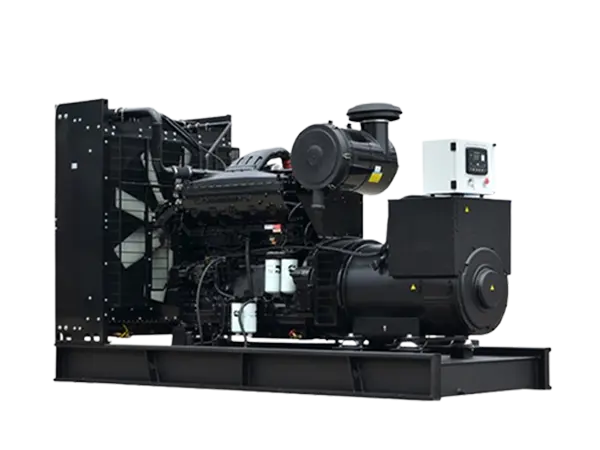 Diesel Generator Sets with Cummins Engines, XHZC Series
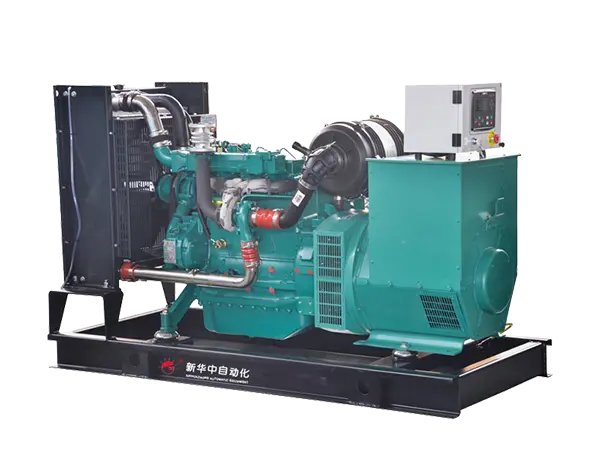 Weichai Series
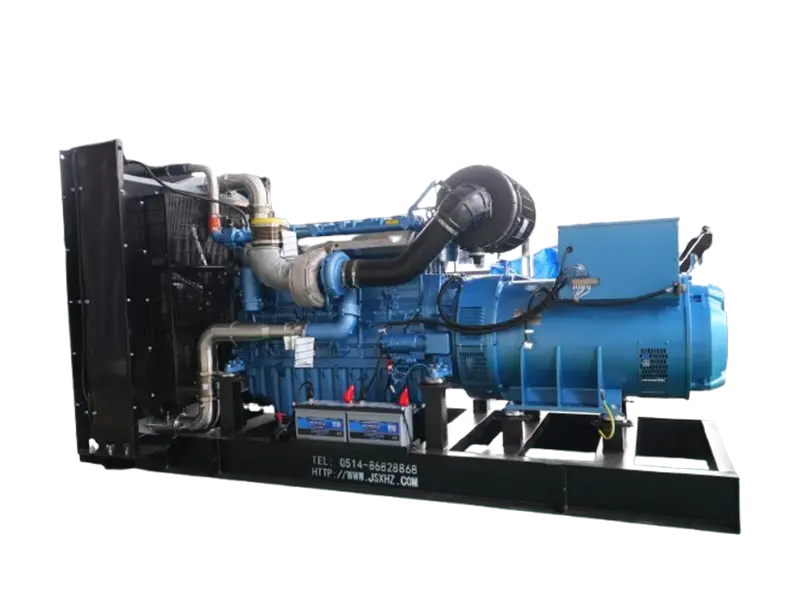 Diesel Generator Sets with WEICHAI Engines, XHZW Series
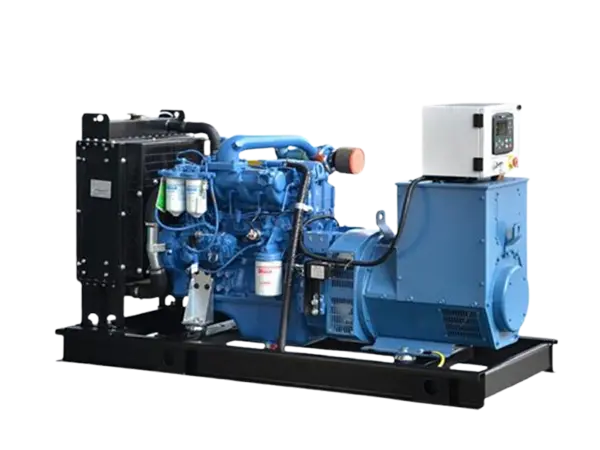 Yuchai Series
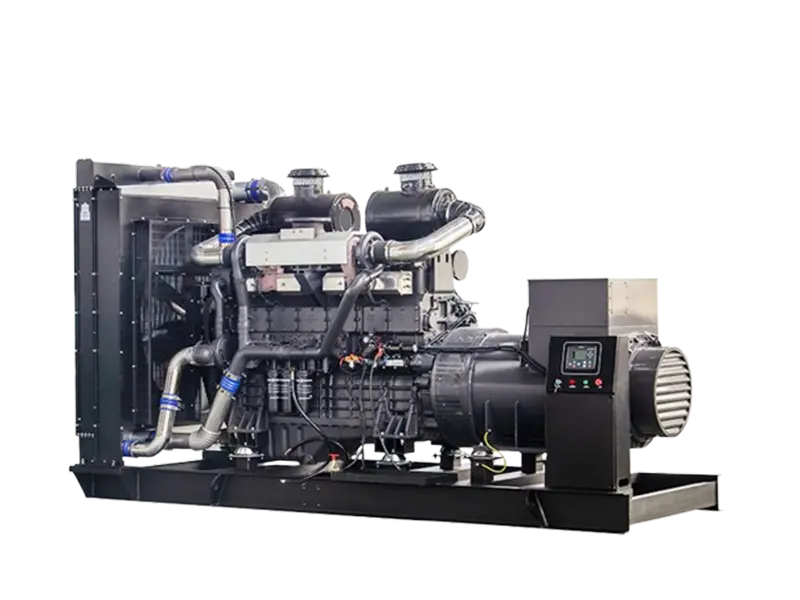 Diesel Generator Sets with SDEC(SHANGCHAI) Engines, XHZS Series
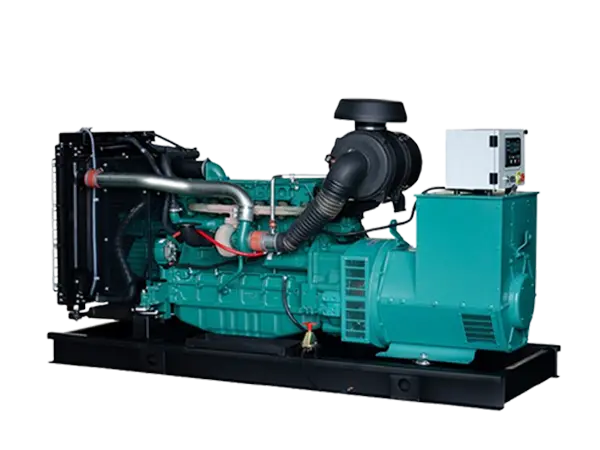 Volvo Series
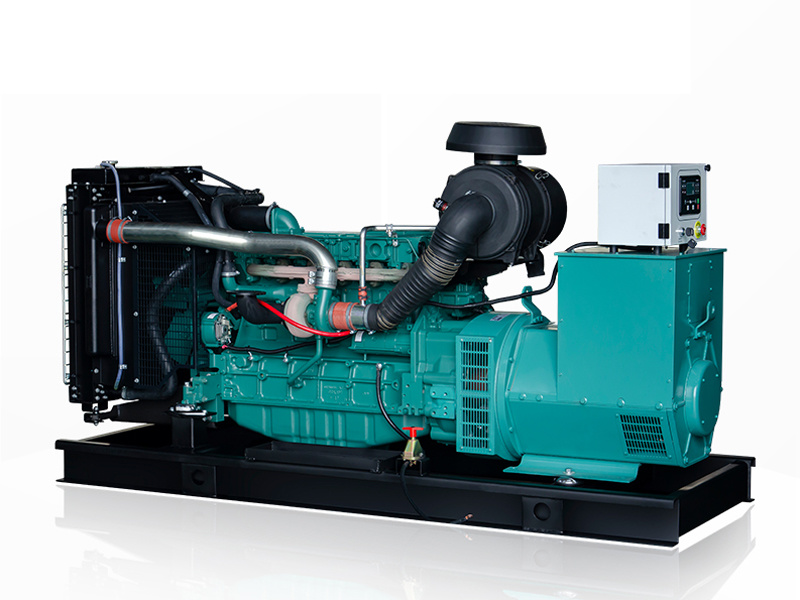 Diesel Generator Sets with VOLVO Engines, XHZV Series
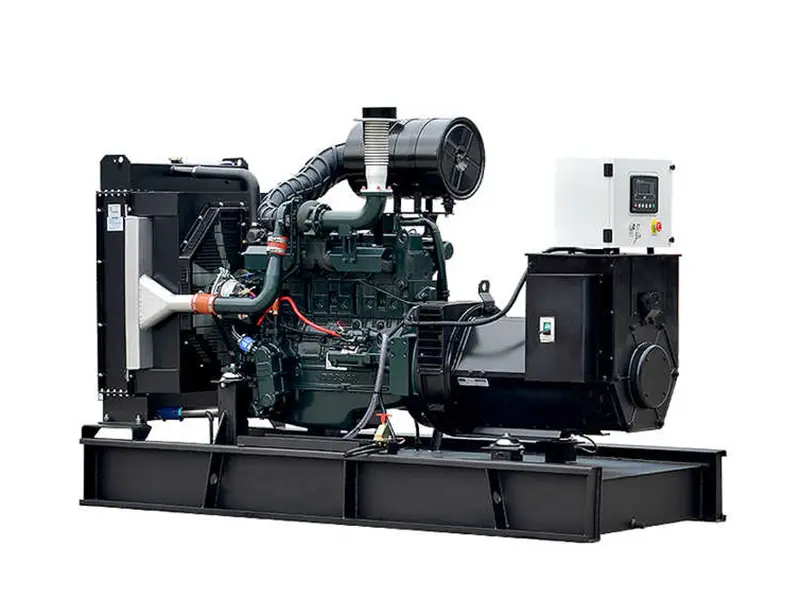 Diesel Generator Sets with Doosan Engines
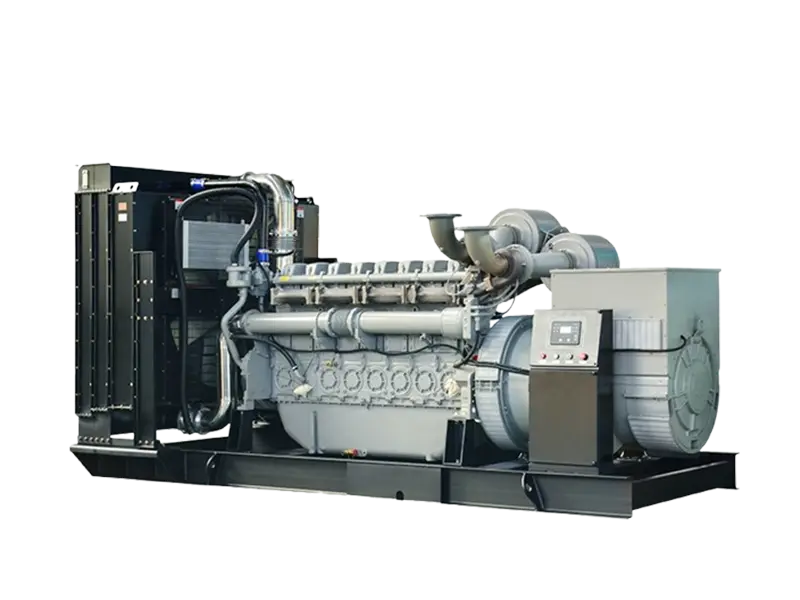 Diesel Generator Sets with Perkins Engines, XHZP Series
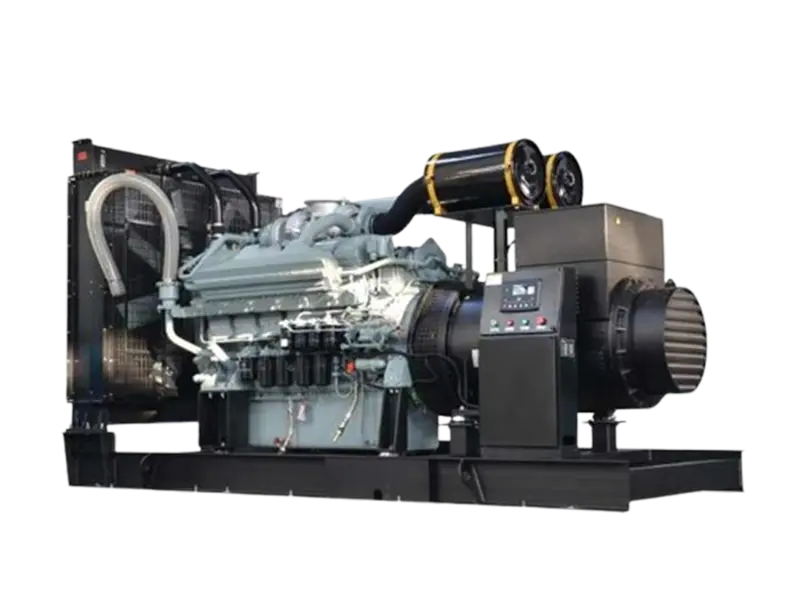 Diesel Generator Sets with Mitsubishi Engines
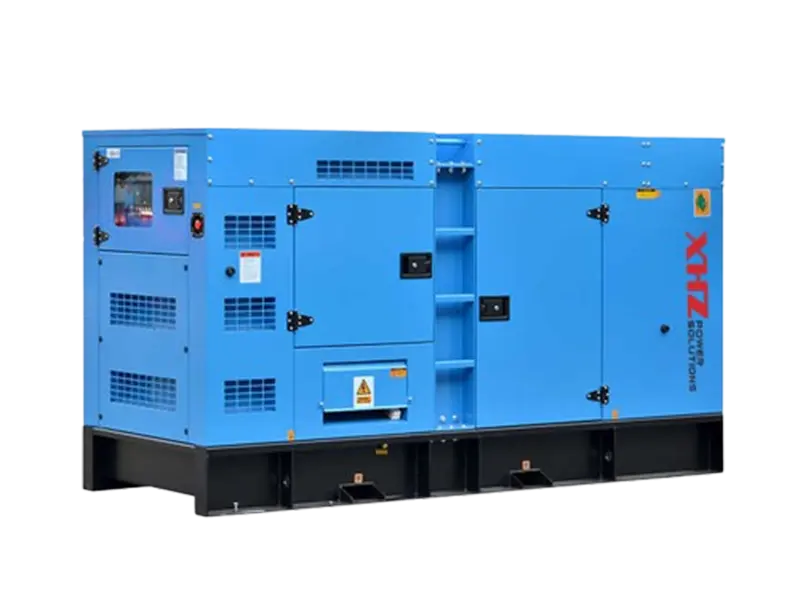 Silent Diesel Generators
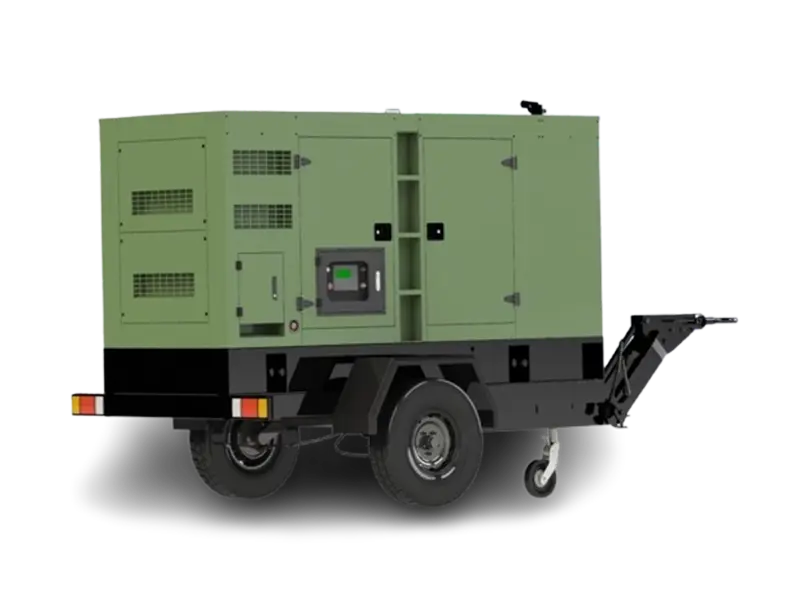 Mobile Silent Diesel Generators
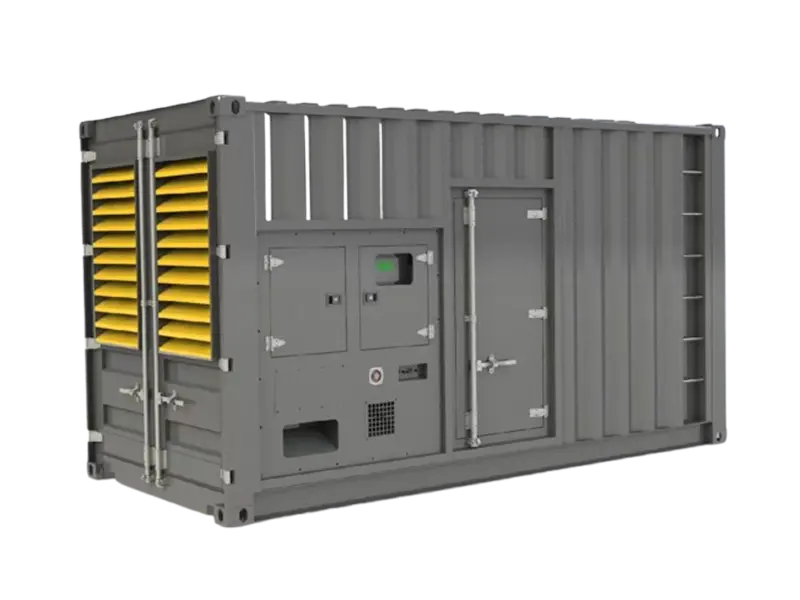 20/40HQ-Standard Container Type Generators